01
Choose by landing condition
The best transfer depends on arrival time, luggage, data access, payment setup, and whether your hotel is close to rail or needs a car.
Arrival transfer guide
A good China airport transfer is chosen before the flight lands. Match rail, taxi, ride-hailing, bus, or hotel pickup to your arrival time, luggage, phone setup, and exact hotel address.
Page map
01
The best transfer depends on arrival time, luggage, data access, payment setup, and whether your hotel is close to rail or needs a car.
02
Save the hotel name, full Chinese address, phone number, map pin, and one nearby landmark. This matters more than the English hotel name.
03
Follow airport signs for metro, airport rail, official taxi queues, ride-hailing pickup zones, or pre-arranged hotel pickup. Avoid curbside negotiation.
04
If the first plan fails, switch quickly: rail to a central station, official taxi queue, hotel phone call, or a nearby airport hotel.
Transfer choice
Visitors usually get stuck when they choose transport as if they are already rested, connected, and carrying one backpack. The real decision is made with immigration time, baggage, weather, last-train risk, and phone setup in mind.
Best for: Daytime arrivals, light luggage, hotels near a useful station.
Watch: Last-train time, long platform walks, station exits, and whether the final 800 metres is suitcase-friendly.
Move: Screenshot the line, transfer station, station exit, and walking route before you land.
Best for: Late arrivals, heavy luggage, family travel, rain, and hotels far from rail.
Watch: Do not accept unsolicited drivers in arrivals. Use the signed taxi queue and show the Chinese address.
Move: Keep the hotel phone number ready in case the driver wants confirmation of the exact entrance.
Best for: Travellers who already have data, payment, and app confidence before leaving the terminal.
Watch: Large airports use specific pickup zones. A broad terminal pin can make driver matching frustrating.
Move: Order only after you know the pickup floor, door, zone, and licence plate matching routine.
Best for: First-time visitors, late flights, business trips, families, and hotels in old towns or resort areas.
Watch: More expensive, but removes the hardest first-hour decisions if your flight is delayed.
Move: Confirm flight number, terminal, meeting sign, waiting time, price, and emergency contact.
Best for: Budget trips where the bus stop is close to the hotel or a major rail station.
Watch: Stops can be hard to identify after dark, schedules change, and English route naming may be limited.
Move: Use buses only when you know the exact stop, final walking route, and backup taxi option.

Three reliable first-night patterns
Best default
For many first-time trips, this removes traffic uncertainty without forcing a long luggage walk through city streets.
Tired-proof
Choose this when the landing is late, weather is poor, you have large bags, or the hotel is not close to a rail stop.
Most controlled
Worth considering when the hotel is in an old-town lane, resort district, mountain area, or if the traveller group needs lower friction.
Before landing
Hotel name, full address, district, phone number, and a nearby landmark in Chinese. Save it as a screenshot and in notes.
Mobile wallet if ready, one bank card, and enough RMB for taxi, snacks, or a deposit if digital payment fails.
Know whether roaming, eSIM, local SIM, or airport Wi-Fi will work before you need maps or ride-hailing.
Check the actual arrival airport and terminal. Beijing, Shanghai, Chengdu, and other cities can have multiple airports or remote terminals.
Do not stack a tight dinner, train, or attraction after a long-haul arrival. The transfer is part of the travel day.
Arrival sequence
Turn on data, open the hotel address, check payment, and decide whether the prepared rail, taxi, or pickup plan still fits your landing time.
Use signed transport counters, metro entrances, taxi queues, or ride-hailing pickup zones. Ignore offers from people approaching you inside the terminal.
Show the full Chinese address, not only the hotel brand. If there are multiple branches, use the phone number and map pin to avoid the wrong property.
Old streets, shopping districts, resort roads, and pedestrian areas may require a walk from a drop-off point. Know the entrance before unloading everything.
Once checked in, save the station exit, taxi drop-off, and hotel entrance. You will need them again when tired, raining, or returning late.

City patterns
Shanghai
Rail can be efficient if your hotel is near the route; taxis and ride-hailing are simpler with luggage or late arrivals. For airport-to-airport moves, check whether the airport link, metro, or road transfer best fits your buffer.
Beijing
The wrong airport assumption can destroy the first evening. Both airports have rail links and car options, but they sit in very different directions from many hotels.
Guangzhou / Shenzhen
Pearl River Delta airports connect into big metro and rail systems. The hard part is often the last station exit, not the main airport line.
Chengdu / Chongqing / Xi’an
A cheap central hotel may still mean a long late-night ride. Check airport distance, metro hours, and whether a staffed first-night hotel is worth it.
Common traveller traps
Decline and walk to the official taxi queue or signed ride-hailing area. A tired traveller negotiating curbside is the worst moment to test pricing, route, and trust.
That is not enough. Drivers and maps need the Chinese name, address, phone number, and ideally the exact branch. English names can point to the wrong hotel.
Only if your phone, payment, and pickup-zone knowledge already work. Otherwise, use rail, official taxi, or a pre-arranged pickup for the first arrival.
Metro is excellent when the route is direct and luggage is manageable. It is less excellent after midnight, with children, after a long flight, or when the hotel is far from an exit.
Late-night plan
A perfect daytime metro plan can become a bad midnight plan after baggage, immigration, rain, or a tired travel group. Decide the fallback before boarding.
Do not assume the metro or airport express will still run after immigration, baggage claim, and a delayed landing.
Late at night, a signed taxi queue is often more dependable than learning a pickup-zone system with weak data.
Send flight number and estimated arrival time. Confirm the front desk is staffed and the address is correct for taxis.
If arrival becomes very late or a child/older traveller is exhausted, an airport hotel can be smarter than forcing a long city transfer.
Recovery moves
Stay inside the airport, use information desks or Wi-Fi, switch to official taxi or rail, and avoid ordering ride-hailing until maps and messaging work.
Call the hotel, show the Chinese address and phone number, search by phone number in the map app, or navigate to the nearest landmark.
Compare district, phone number, and street address before departing. Chain hotels can have several branches with similar English names.
Cancel before fees escalate if needed, walk to the marked zone, then reorder with the correct door/floor. Do not chase a moving car around the terminal.
Protect check-in first. Cancel optional plans, tell the hotel your arrival time, and save energy for tomorrow.
Keep planning
Pick one connected topic and finish the practical setup before adding more places to the itinerary.
Browse all guides ->Important disclaimer
This guide is for general trip-planning information, not legal, medical, financial, or immigration advice. Rules, availability, and provider policies can change—verify time-sensitive details with the relevant official source before you travel or book.
Content confidence
Airport Transfers has been reviewed for practical visitor use, internal links, route relevance, and clear action steps.
Rules for entry, payment products, bookings, transport, and attractions can change. Verify official or provider sources before relying on time-sensitive details.
Check official sources before booking time-sensitive items.
Plan with cities
Use these city guides to turn the topic into a route, hotel choice, transfer day, or first-stop decision.
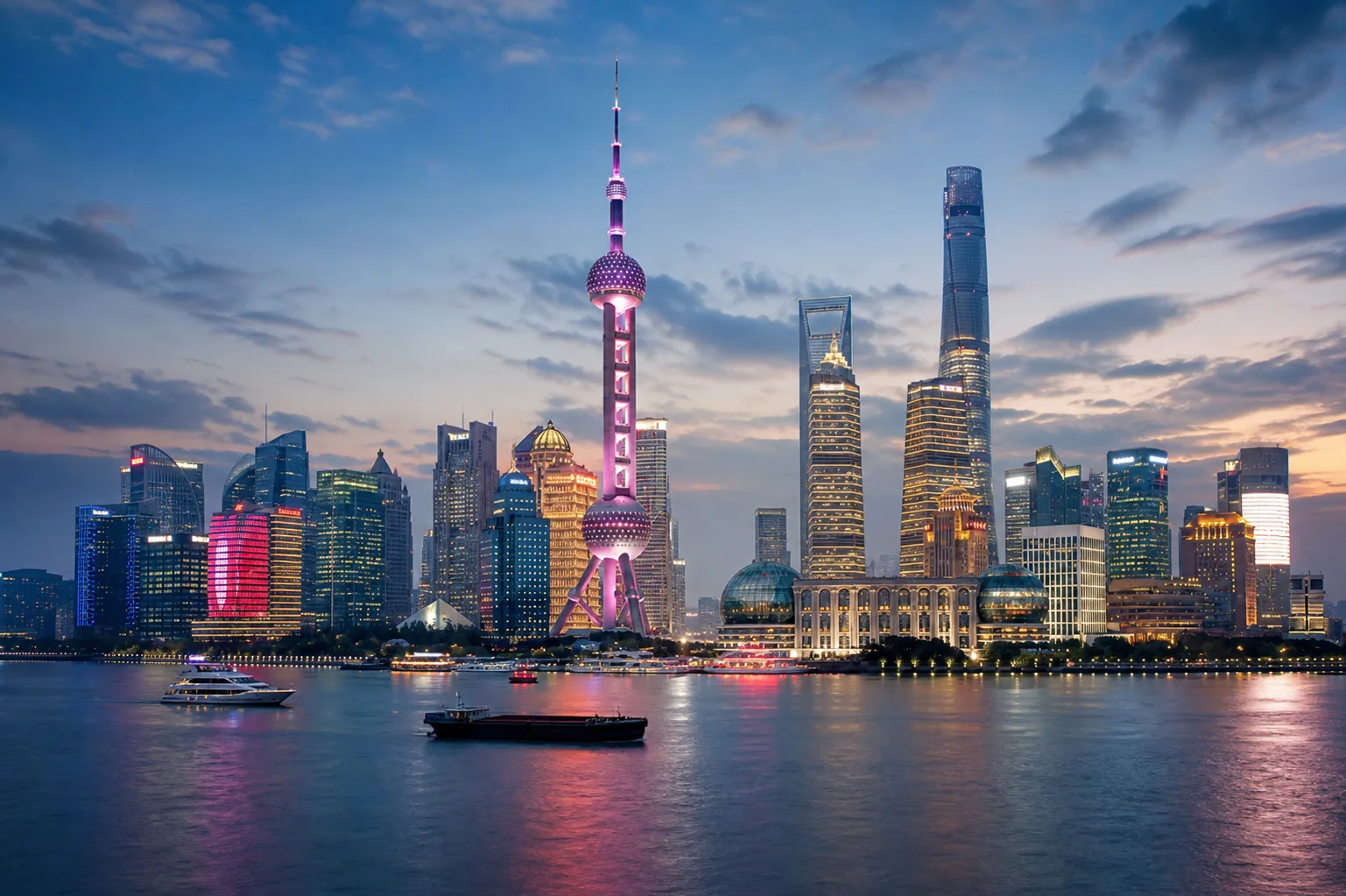
Modern, vibrant, and full of surprises.
Open city guide ->
History, culture, and iconic landmarks.
Open city guide ->
Cantonese food, riverfront lights, and trade-city energy.
Open city guide ->
Relaxed, lovely, and famous for pandas.
Open city guide ->