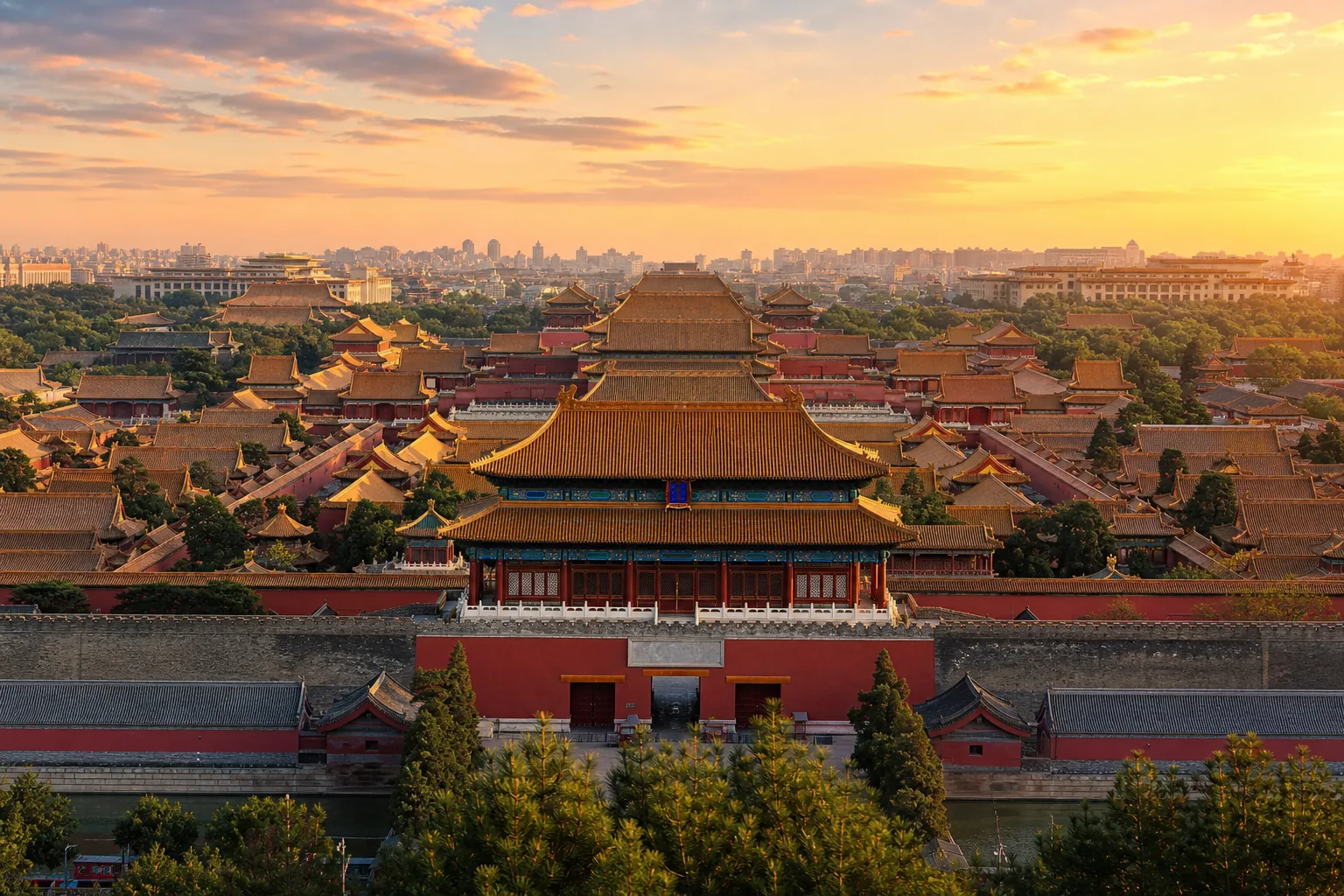
Beijing is the strongest choice for classic China history, with imperial landmarks, hutong neighborhoods, major museums, and Great Wall day trips that reward careful planning.
Suggested stay
3-5 days
Travel style
Top Pick
Best for
History, landmarks, culture, classic China routes
Content confidence
Reviewed for practical travel use
Beijing city overview, suggested stay, highlights, transport notes, nearby trips, and connected planning guides have been reviewed for practical trip planning.
Use this city page as a planning framework. Confirm current opening hours, ticket windows, transport schedules, and local rules before booking.
Check official sources before booking time-sensitive items.
Planning overview
How to Plan Beijing
Beijing is the strongest first stop in China if your trip is built around imperial history, major museums, old neighborhoods, and one of the country's easiest Great Wall day trips. The city is vast, but most first-time plans become manageable once you group sights by area and accept that one day should go almost entirely to the Wall. Compared with Shanghai, Beijing feels broader, older, and more monument-focused, with long axial avenues, ring roads, and pockets of hutong life between major landmarks.
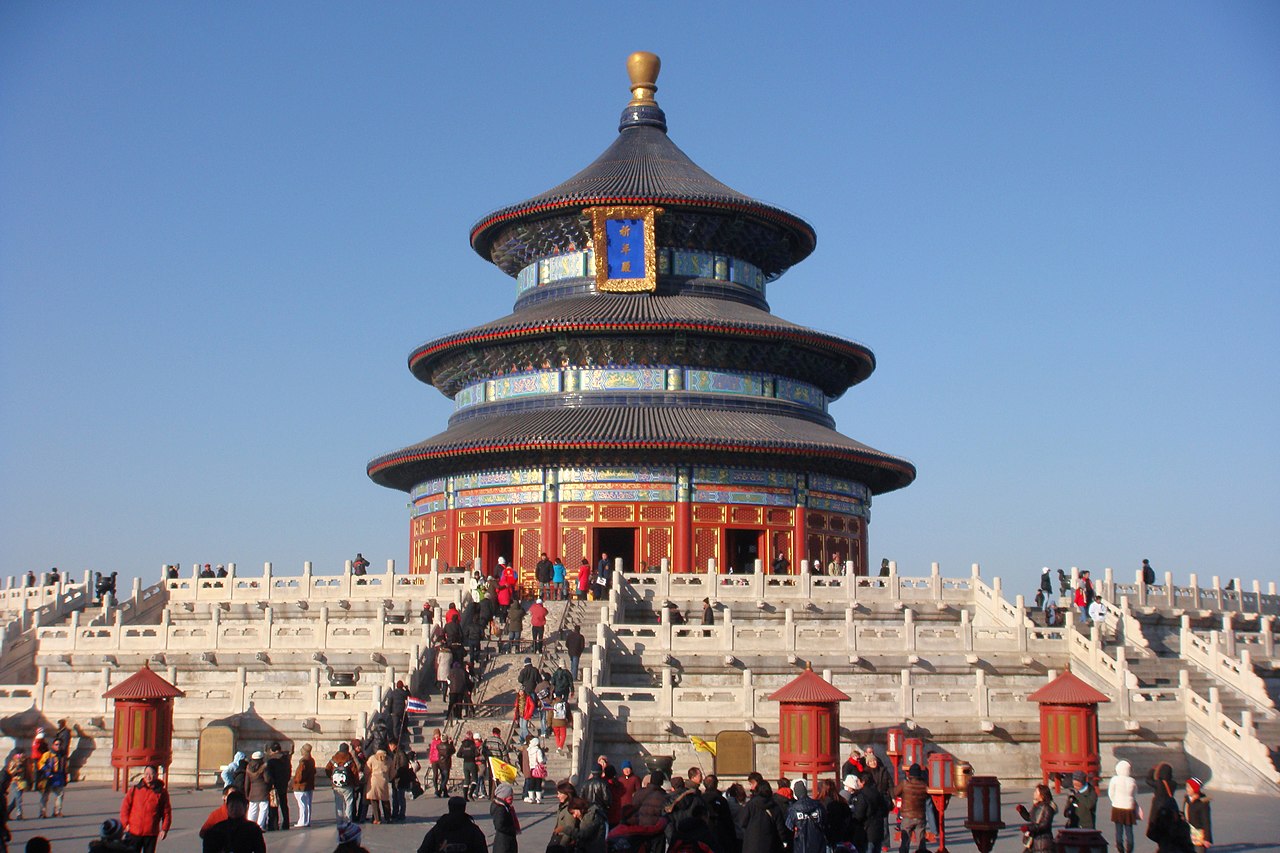
Forbidden CityGreat WallTemple of Heaven
Best suited for
Imperial China history
Landmark-focused first trips
Museums, temples, and architecture
Great Wall day trips
Best time to visit
Spring and autumn are the easiest seasons for most travelers, especially April-May and September-October, when temperatures are milder and walking days are more comfortable. Summer can be hot, humid, and busy, while winter is cold and dry but still workable if your trip leans toward museums, major monuments, and clear-sky sightseeing rather than long park days.
Stay around Wangfujing, Dongcheng, Qianmen, or near a central subway interchange if this is your first visit.
Book the Forbidden City and other reservation-heavy sights before fixing the rest of the day around them.
Keep one full day for the Great Wall instead of trying to squeeze it into a half-day with central Beijing.
Use the subway for most cross-city moves, then walk once you are inside compact areas such as the hutongs, Tiananmen, or temple grounds.
Beijing works best when you plan by historic zones and leave room for one major day trip.
Suggested routes
Itineraries for Beijing
A Beijing itinerary feels incomplete without a Wall section, usually as its own full day.
Wikimedia Commons
1 day
Imperial center snapshot
Best for a stopover or a tight first visit. Stay central and focus on Beijing's ceremonial core instead of trying to add the Wall.
1Forbidden City and central axis in the morning
2Jingshan Park or nearby museum stop in the afternoon
3Temple of Heaven or Qianmen area later in the day
4Evening hutong walk or Wangfujing dinner
2 days
First-timer Beijing essentials
Enough time to combine the imperial center with one neighborhood-style day, while still leaving the pace realistic.
1Day 1: Forbidden City, Tiananmen-area planning, Jingshan, Wangfujing or Qianmen
2Day 2: Temple of Heaven, hutongs, Shichahai, Drum Tower area
3Optional extra: Summer Palace if you want a greener half-day
3-4 days
Classic Beijing plus the Great Wall
This is the strongest first visit because it gives Beijing enough time for both city landmarks and a proper Wall day trip.
1Day 1: Forbidden City, Jingshan, central historic core
2Day 2: Temple of Heaven, hutongs, Shichahai, evening food walk
3Day 3: Great Wall day trip, commonly Badaling or another section based on your priorities
4Day 4: Summer Palace, museum time, or a slower Chaoyang and shopping day
Neighborhoods
Best Areas to Explore
Dongcheng, Wangfujing, and the imperial core
This is the best base for many first-time visitors because it keeps you close to the Forbidden City, Tiananmen-area planning, the Temple of Heaven side of the center, and strong subway access. It is busy and highly touristed, but it reduces transfer friction and makes the classic Beijing checklist much easier to organize.
Forbidden CityWangfujing areaTemple of Heaven
Xicheng, Shichahai, and hutong neighborhoods
Beijing feels most lived-in here: lakes, older courtyard districts, narrow lanes, bell-and-drum-tower territory, and a slower rhythm than the formal imperial axis. This area works well when you want the city to feel human-scale rather than monumental, especially in the morning or early evening.
Shichahai lakesDrum Tower and Bell Tower areaHutong walks
Chaoyang and the modern east side
Chaoyang is the most practical modern counterweight to historic Beijing, with embassy districts, shopping, business hotels, nightlife, and newer food scenes. It is not where most people come for imperial landmarks, but it can be the easiest place to stay if your trip mixes sightseeing with work, dining, or a smoother international-city rhythm.
SanlitunCBD and GuomaoEmbassy area dining
Haidian and the northwest palaces-and-parks side
Haidian is where Beijing opens into larger green and historic compounds such as the Summer Palace, and it also connects with university districts and longer museum or park days. Use it when you want a less compressed day than the center, or when you are adding deeper cultural stops beyond the imperial core.
Summer PalaceOld Summer Palace areaUniversity district
What to see
Top Sights
Forbidden City
The former imperial palace is the core historic sight for most first-time Beijing trips and the place that gives shape to the city's ceremonial axis. It is huge rather than quick, so it works best when treated as a main event rather than one stop among many.
Reserve ahead and pair it with Jingshan Park or nearby central sights instead of forcing several distant attractions into the same block.
Temple of Heaven
This ceremonial complex is one of Beijing's clearest and most elegant historic sites, with broad parkland and architecture that feels distinct from palace compounds. It is large enough for a relaxed half-day and often easier logistically than the Forbidden City.
Go earlier if you want cooler walking conditions and more time to enjoy the grounds rather than just the main hall.
The Great Wall near Beijing
For many travelers, this is the single most important excursion from the capital, and it deserves real time rather than a rushed add-on. Different sections offer different trade-offs between convenience, scenery, and crowd levels, so the right choice depends on whether you value easy access or a less developed setting.
Treat the Wall as its own day and confirm transport, weather, and ticket details before departure.
Summer Palace
The Summer Palace gives Beijing a different tempo: lakes, pavilions, causeways, and longer scenic walking routes rather than dense monument interiors. It works especially well after one or two heavy history days in the center.
Give it enough time to walk beyond the nearest entrance zone, especially if the weather is good.
Shichahai and the hutongs
This is where many visitors find the most personal side of the city: older lanes, courtyard neighborhoods, lake edges, and a more social street rhythm. It is less about one monument and more about seeing how Beijing feels between its headline sites.
Use it as a walking block around breakfast, late afternoon, or evening instead of the middle of a rushed monument day.
Getting around
Transport Notes
Arriving by air
Beijing is served by Beijing Capital International Airport and Beijing Daxing International Airport. Capital remains a major international gateway, while Daxing handles a large share of newer domestic and international traffic; which one is easier depends on your airline and where you are staying.
Arriving by train
Beijing is one of China's main rail hubs, with multiple long-distance and high-speed stations including Beijing Railway Station, Beijing West, Beijing South, and Beijing Chaoyang. High-speed rail makes the city easy to combine with places such as Tianjin and also realistic for longer intercity links if you prefer rail over flying.
Getting around
The subway is the default tool for most travelers because the city is too large to treat as a walking destination between major districts. Use it for the long jumps, then switch to walking inside individual areas such as the imperial center, hutongs, temple parks, or commercial clusters.
Taxis and ride-hailing
Taxis and ride-hailing are useful for airport transfers, late returns, or places that are awkward after a long day, but road traffic can be slow. Save addresses in Chinese and do not assume driving is faster than rail-based routes during busy periods.
Food
What to Eat
Start with classic Beijing dishes
Peking duck is the obvious anchor, but do not stop there. Also look for zhajiangmian, hand-pulled or shaved noodle dishes, jiaozi, and layered wheat-based snacks that reflect the north-China style of eating. Beijing food is often less delicate than Jiangnan cooking and more about roast meats, noodles, breads, and strong savory comfort.
Use neighborhoods for flexible eating
Qianmen, Wangfujing, Shichahai, Sanlitun, and many mall dining floors work well when you want options without crossing the city for one reservation. The best food days in Beijing usually mix one planned signature meal with several practical neighborhood stops.
Balance banquet food with everyday meals
A good Beijing food plan usually combines one formal duck meal with simpler local breakfasts, noodle lunches, dumplings, and casual late-day snacks. That mix gives you a more accurate sense of the city than treating every meal as a high-profile special occasion.
Go next
Easy Trips from Beijing
Tianjin
A fast high-speed rail trip from Beijing, useful if you want a lighter urban extension with historic concessions, food streets, and a different north-China city texture.
Chengde
Better as an overnight or long excursion if you want imperial-era mountain retreat history and a slower pace beyond the capital.
Datong
A stronger history-focused extension for travelers continuing west or north, especially if you want cave temples, old architecture, and a route beyond the standard Beijing core.
Keep planning
Useful next pages for Beijing
Connect this city page with the practical setup decisions most likely to affect arrival, tickets, transport, and daily movement.