01
Show written Chinese first
Pinyin helps you recognise a phrase, but staff need the Chinese characters. Keep the phrase card large, simple, and specific enough to act on.
Show-not-say phrase guide
You do not need to speak perfect Mandarin to travel well. You need a small set of clear written cards for taxis, hotels, food needs, payment, tickets, toilets, and emergencies, plus a way to get answers written down when translation gets messy.
Page map
01
Pinyin helps you recognise a phrase, but staff need the Chinese characters. Keep the phrase card large, simple, and specific enough to act on.
02
Hotel address, food restrictions, medicine/allergy notes, passport booking name, and emergency contact should be saved before landing, not typed in a queue.
03
Translation apps work better with one request at a time: “Please write it down”, “I need a taxi”, “No pork”, “Where is the elevator?”
04
When communication fails, stop adding words. Show the address, point to the card, ask staff to write the answer, or move to a staffed hotel, station counter, or information desk.
Phrase rules
Many travellers over-focus on saying tones correctly. In practical travel moments, the written Chinese text is often more useful than imperfect pronunciation.
Do not show a paragraph with five needs at once. Separate taxi address, allergy request, hotel check-in, and emergency help into different cards.
You need to know what you are showing. Put a short English meaning under every Chinese phrase so you do not show the wrong card under stress.
If you cannot understand the answer, ask staff to write it in Chinese or type it into your phone so translation works from real text.
Hotel names, station names, passport names, attraction names, and medicine names should match your booking and map records.
Phrase cards, addresses, bookings, and medical notes should survive weak signal, low battery, blocked apps, or a lost login session.
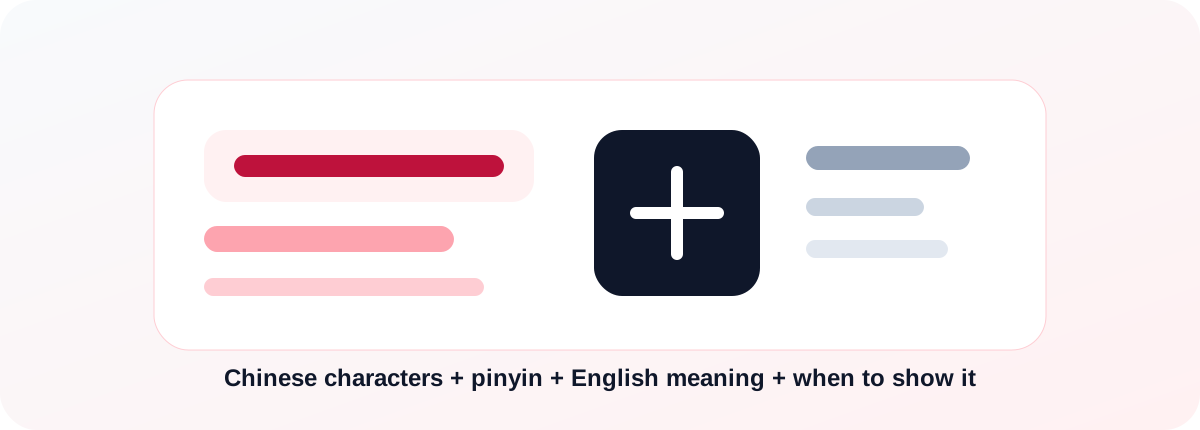
Address cards
请带我去这个地址。
Qing dai wo qu zhe ge dizhi.
Means: Please take me to this address.
Show this with the hotel name, Chinese address, phone number, and a map pin. It is useful for taxis, police, station staff, or a lost final-500-metre walk.
请在能停车的地方下车。
Qing zai neng tingche de difang xia che.
Means: Please drop me where the car can stop.
Useful for old towns, pedestrian streets, hotel lanes, scenic gates, and places where the exact door is not reachable by car.
请帮我写下中文地址。
Qing bang wo xie xia Zhongwen dizhi.
Means: Please help me write the Chinese address.
Ask hotel staff to prepare this before a taxi ride, food delivery pickup, private driver meeting, or return trip.
这里不是我要去的地方。
Zheli bu shi wo yao qu de difang.
Means: This is not the place I want to go.
Use calmly with the correct pin or address. It is better than arguing from memory or waving at the map.
Transport
请问这个车站在哪里?
Qingwen zhe ge chezhan zai nali?
Means: Where is this station?
Show with the full station name. Many cities have similarly named stations, east/west/north/south stations, and metro exits.
请问入口在哪里?
Qingwen rukou zai nali?
Means: Where is the entrance?
Useful for attractions, subway stations, malls, old sites, and hotels with side entrances.
请问电梯在哪里?
Qingwen dianti zai nali?
Means: Where is the elevator?
Important for luggage, strollers, seniors, mobility needs, and large stations with confusing exit layouts.
请帮我叫出租车。
Qing bang wo jiao chuzuche.
Means: Please help me call a taxi.
Use at hotels, restaurants, museums, clinics, and staffed venues when apps or language fail.
Food needs
我对这个过敏,不能吃。
Wo dui zhe ge guomin, bu neng chi.
Means: I am allergic to this and cannot eat it.
Replace “this” with the ingredient in Chinese. For serious allergies, carry a more detailed allergy card from your doctor or a professional translation.
我不吃猪肉。
Wo bu chi zhurou.
Means: I do not eat pork.
Useful because pork can appear in broth, dumpling filling, stir-fries, and “small meat” seasoning.
我吃素,不吃肉和海鲜。
Wo chi su, bu chi rou he haixian.
Means: I eat vegetarian food; I do not eat meat or seafood.
Add “no broth” or “no egg/dairy” separately if needed. Vegetarian expectations vary by restaurant.
请不要放辣。
Qing bu yao fang la.
Means: Please do not add chili.
Useful in Sichuan, Hunan, Chongqing, Guizhou, and any restaurant where “a little spicy” may still be strong.
这个里面有这种食材吗?
Zhe ge limian you zhe zhong shicai ma?
Means: Does this contain this ingredient?
Show with a photo or Chinese ingredient name. Works better than trying to describe the ingredient from scratch.
请给我一碗白米饭。
Qing gei wo yi wan bai mifan.
Means: Please give me a bowl of plain rice.
A reliable repair phrase when a dish is too spicy, salty, oily, or unfamiliar.
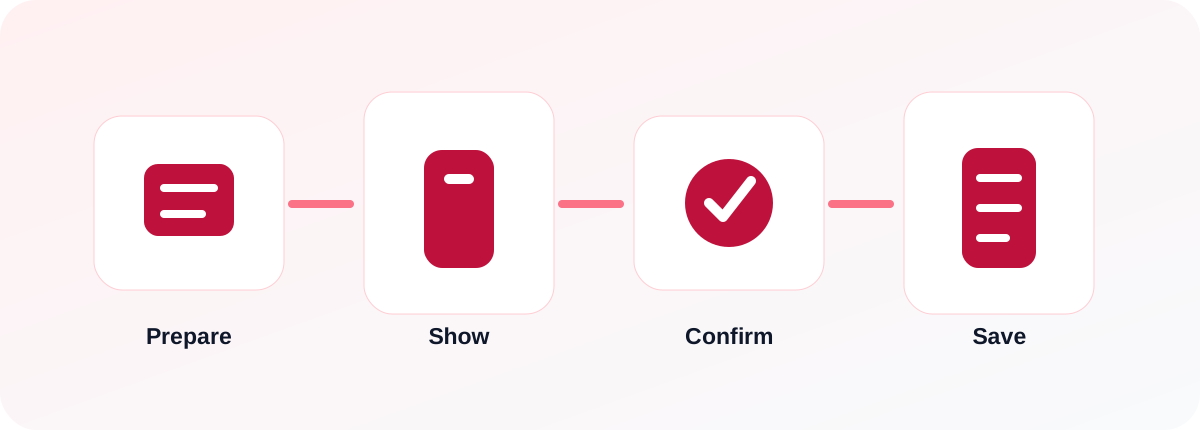
Hotel and payment
我要办理入住。
Wo yao banli ruzhu.
Means: I would like to check in.
Show with passport and booking name. Keep the booking name exactly as it appears in the reservation.
我的预订名字是这个。
Wo de yuding mingzi shi zhe ge.
Means: My reservation name is this.
Show your booking confirmation. This helps when names are reversed, middle names are missing, or transliteration is confusing.
请问有安静一点的房间吗?
Qingwen you anjing yidian de fangjian ma?
Means: Do you have a quieter room?
Useful for street noise, smoking smell, elevator noise, family travel, or jet lag.
请问可以寄存行李吗?
Qingwen keyi jicun xingli ma?
Means: Can I store luggage here?
Ask at hotels before check-in, after checkout, or before a train day with a later departure.
请问多少钱?
Qingwen duoshao qian?
Means: How much is it?
Ask before confirming a QR payment, taxi fare, market price, or small service fee.
可以用支付宝吗?
Keyi yong Zhifubao ma?
Means: Can I use Alipay?
Useful at small counters, taxis, attractions, and restaurants when card acceptance is unclear.
可以用微信支付吗?
Keyi yong Weixin Zhifu ma?
Means: Can I use WeChat Pay?
Good backup if one wallet is not working or the merchant prefers WeChat.
请给我收据。
Qing gei wo shouju.
Means: Please give me a receipt.
Use for taxis, hotels, luggage storage, disputed charges, and insurance or reimbursement records.
Daily comfort
请问洗手间在哪里?
Qingwen xishoujian zai nali?
Means: Where is the restroom?
Use before the situation becomes urgent. Malls, stations, museums, and hotels are often better comfort anchors.
我需要买瓶装水。
Wo xuyao mai pingzhuang shui.
Means: I need to buy bottled water.
Useful at restaurants, small shops, stations, and hot walking days when free water is not obvious.
我们需要休息一下。
Women xuyao xiuxi yixia.
Means: We need to rest for a moment.
Useful for families, older travellers, heat, long walks, and sensory overload.
请问可以充电吗?
Qingwen keyi chongdian ma?
Means: Can I charge my phone?
Ask politely in cafes, hotels, waiting rooms, and restaurants. Do not assume every outlet is public.
Emergency cards
我需要帮助。
Wo xuyao bangzhu.
Means: I need help.
Simple, broad, and useful when you are overwhelmed. Show the specific card after this one.
请帮我报警,电话 110。
Qing bang wo baojing, dianhua 110.
Means: Please help me call the police, 110.
Use for theft, serious disputes, threats, lost passport procedures, or situations that need a police report.
请帮我叫救护车,电话 120。
Qing bang wo jiao jiuhuche, dianhua 120.
Means: Please help me call an ambulance, 120.
Use for serious symptoms, injury, collapse, severe allergy, chest pain, stroke signs, or animal bites.
请写下来。
Qing xie xia lai.
Means: Please write it down.
One of the most useful phrases in China. Written text can be translated, saved, copied, or shown to the next person.
Translation workflow
Create screenshots for hotel address, dietary needs, emergency help, medicine/allergy notes, payment backup, and transport anchors.
Let translation apps handle the exact hotel name, station, ingredient, or symptom, but keep the surrounding request short.
Give staff time to read. If they reply too fast, show “Please write it down” rather than adding a new long sentence.
For addresses, stations, hotels, and attractions, pair the phrase with a pin, ticket, passport name, or booking screen.
Screenshot written replies, prices, addresses, medicine names, platform numbers, and pickup points before leaving the counter.
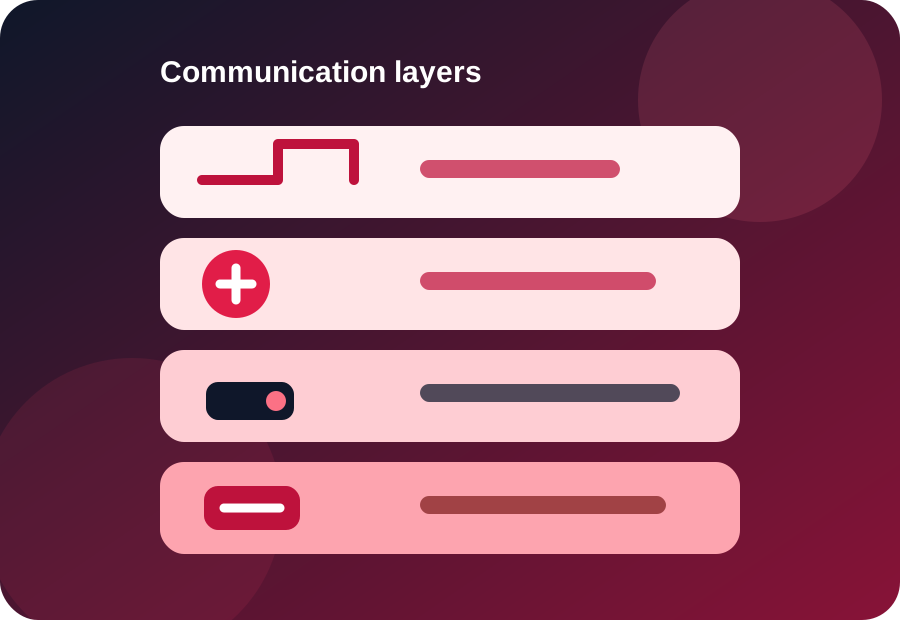
Backup stack
The right phrase card does not make you fluent. It makes the next person able to help.
Hotel name, Chinese address, phone number, map pin, nearest vehicle drop-off, and return card saved offline.
Food restrictions, allergies, medicines, accessibility needs, children or senior needs, and emergency contacts written in short Chinese cards.
How much, receipt, Alipay, WeChat Pay, passport booking name, ticket gate, and luggage storage phrases ready before queues.
Please write it down, I need help, this is not the place, call taxi, call police, call ambulance, and hotel staff fallback.
Troubleshooting
Send or show the hotel or pickup address in Chinese. If speaking fails, ask hotel staff or a nearby counter to answer briefly.
Show passport, booking number, Chinese hotel or attraction name, and the exact reservation name. Ask staff to write what is missing.
Do not keep repeating the English ingredient. Show the Chinese card, photo of the ingredient, and a simple “cannot eat” sentence.
Use “Please write it down.” Written Chinese can be translated, stored, and shown to another person.
Use polite openers like “please may I ask” and “sorry to trouble you.” Short, polite requests are safer than literal paragraphs.
Show the hotel address card, call the hotel, enter a staffed shop or hotel lobby, and stop walking deeper into uncertainty.
Keep planning
Pick one connected topic and finish the practical setup before adding more places to the itinerary.
Browse all guides ->Important disclaimer
This guide is for general trip-planning information, not legal, medical, financial, or immigration advice. Rules, availability, and provider policies can change—verify time-sensitive details with the relevant official source before you travel or book.
Content confidence
Must-have Chinese Phrases has been reviewed for practical visitor use, internal links, route relevance, and clear action steps.
Rules for entry, payment products, bookings, transport, and attractions can change. Verify official or provider sources before relying on time-sensitive details.
Check official sources before booking time-sensitive items.
Plan with cities
Use these city guides to turn the topic into a route, hotel choice, transfer day, or first-stop decision.

History, culture, and iconic landmarks.
Open city guide ->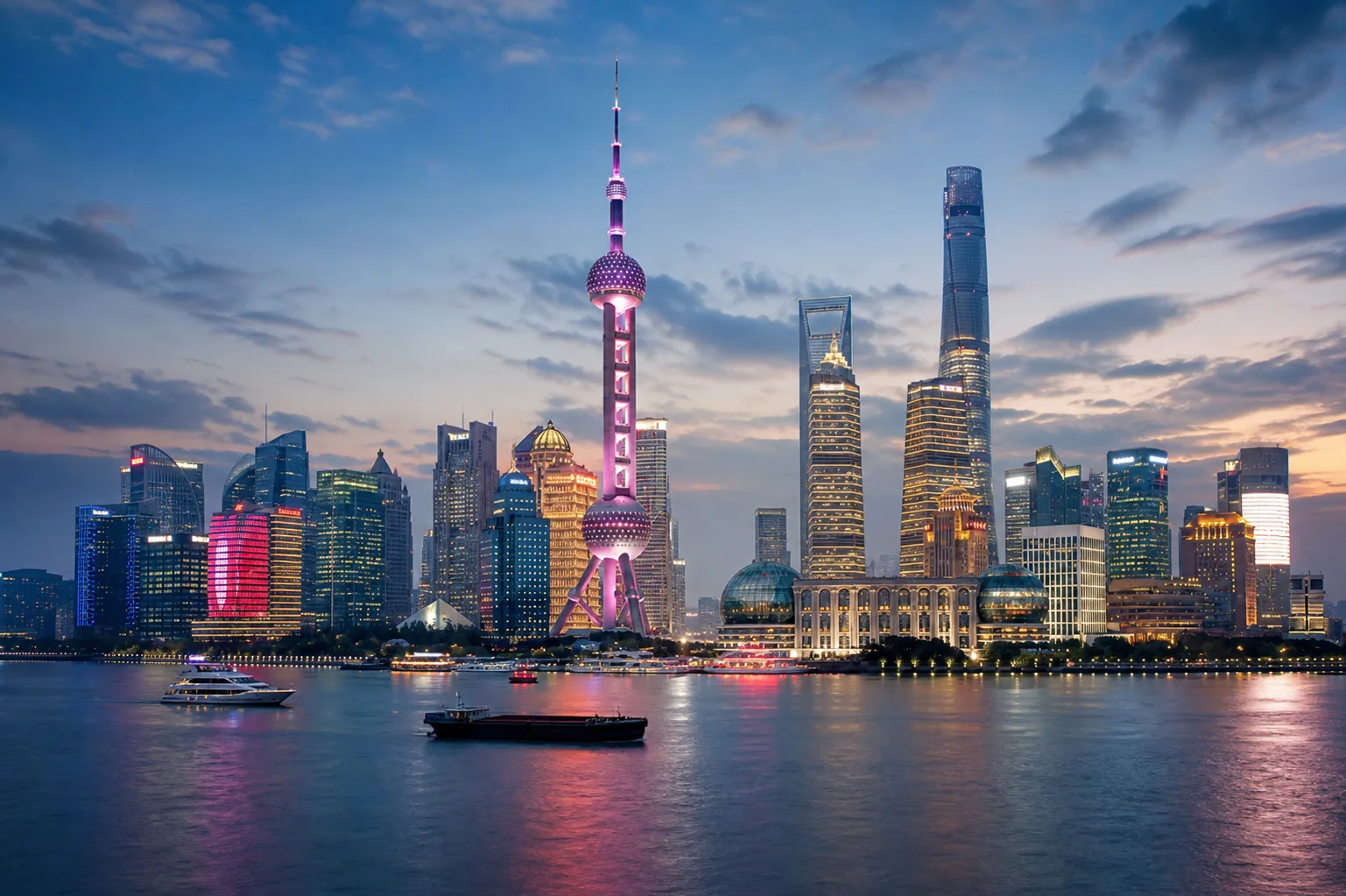
Modern, vibrant, and full of surprises.
Open city guide ->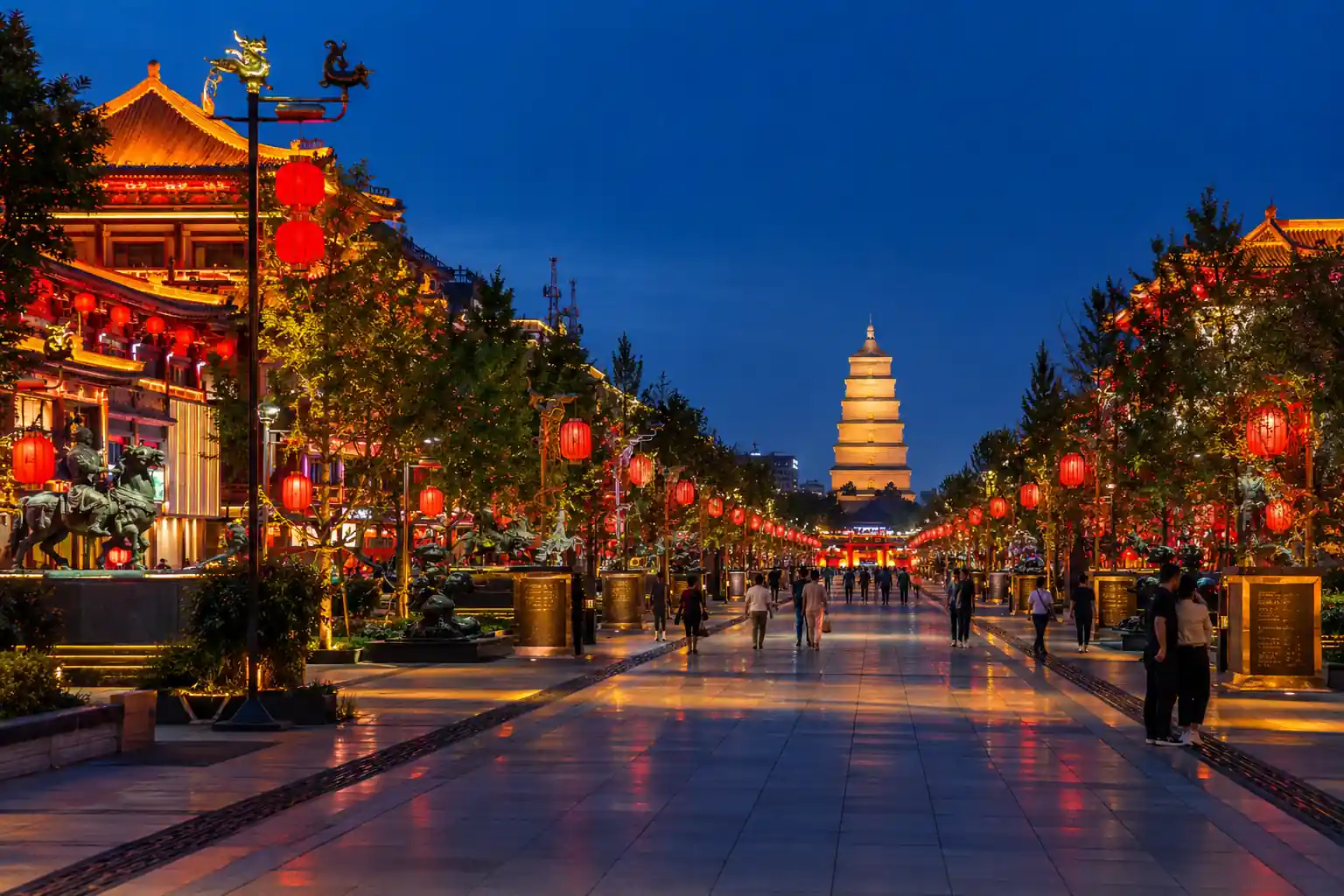
Ancient capital with a direct link to China's imperial past.
Open city guide ->
Relaxed, lovely, and famous for pandas.
Open city guide ->