01
Write the need before you need the meal
Do not rely on pronunciation, gestures, or a one-word translation at a busy restaurant. Prepare short Chinese notes for allergy, vegetarian, no pork, gluten, dairy, spice, and emergency needs.
Food confidence guide
The hardest food problem in China is rarely finding something delicious. It is making sure the kitchen understands what must not be in the dish, including hidden broth, oil, sauce, garnish, and shared-prep risk.

Page map
01
Do not rely on pronunciation, gestures, or a one-word translation at a busy restaurant. Prepare short Chinese notes for allergy, vegetarian, no pork, gluten, dairy, spice, and emergency needs.
02
The risky part is often broth, lard, minced pork, seafood paste, peanut oil, sesame, soy sauce, wheat noodles, shared woks, or garnish—not the obvious main ingredient.
03
A hotel breakfast, packaged food, mall restaurant, Buddhist vegetarian restaurant, or simple rice-and-vegetable order gives different levels of control. Match the meal to your risk.
04
A snack plan, bottled water, medication, emergency card, hotel address, and hospital route matter more than discovering the perfect restaurant while tired.
Need by need
A mild preference, a religious restriction, and a life-threatening allergy should not be handled the same way. Decide how much uncertainty you can accept before choosing the restaurant.
Risk: Cross-contact, hidden sauces, cooking oil, shared utensils, and staff thinking the ingredient is a preference rather than a medical risk.
Move: Use a printed Chinese allergy card, carry safe food, keep prescribed medication with you, and skip any meal where staff seem unsure.
Risk: Vegetable dishes may use pork mince, chicken stock, oyster sauce, shrimp paste, lard, egg, or dairy depending on the dish and region.
Move: Ask for plain vegetable dishes cooked without meat, seafood, stock, lard, oyster sauce, or egg; search for Buddhist vegetarian restaurants in larger cities.
Risk: Pork can appear as mince, lard, broth, dumpling filling, soup base, or garnish even when the dish looks vegetable-heavy.
Move: Use a no-pork note, look for clearly labelled halal or Northwest-style restaurants, and still confirm broth and cooking oil.
Risk: Wheat appears in noodles, dumplings, buns, soy sauce, vinegar blends, batters, sauces, and shared cooking surfaces.
Move: Prefer naturally rice-based meals only when sauces can be controlled; bring safe packaged food if strict cross-contact avoidance is required.
Risk: Many traditional Chinese dishes are low in dairy, but bakeries, milk tea, desserts, hotpot dips, coffee drinks, and hotel breakfast items can contain milk.
Move: Ask specifically about milk, cream, butter, cheese, yoghurt, and milk powder rather than assuming a dish is dairy-free.
Risk: Chili oil, Sichuan pepper, raw garlic, vinegar, cold dishes, and rich broths can be harder than expected after jet lag or long transfers.
Move: Use a mild-food note, choose steamed or clear-soup dishes, and save spicy regional food for a day when your body has settled.

Preparation timeline
Check airline allergy policies, meal options, medication rules, and whether you need doctor documentation for prescribed emergency medicine.
Create Chinese notes for each need, print them, save screenshots, and ask a fluent speaker or professional translator to review serious allergy wording.
Save restaurant candidates by district, nearby supermarkets, convenience stores, hotel breakfast details, hospital locations, and simple fallback meals.
Put medication, two safe snacks, oral rehydration salts if appropriate, hand sanitiser, tissues, and the printed food cards in the bag that stays with you.
Decide where the safe meal will come from before the day gets busy. Transfer days and attraction days need easier food, not more adventurous food.
Chinese note cards
Treat these as starter wording, not medical translation. For severe allergy, replace the ingredient accurately and get the full card checked before travel.
我对这个食物严重过敏。请不要放,也请避免接触同一锅、同一油、同一刀具或同一案板。
Use for serious allergies where cross-contact matters. Replace "this food" with the exact allergen in Chinese.
我不吃猪肉,也不吃猪油、猪肉汤、猪肉馅、火腿或培根。请确认这道菜没有猪肉相关配料。
Useful because pork can appear as lard, broth, filling, garnish, or cured meat rather than a visible piece of pork.
我吃素。请不要放肉、鱼、虾、海鲜、鸡汤、肉汤、猪油、蚝油或肉末。
Use this instead of only saying "vegetarian"; it lists the hidden ingredients travellers most often miss.
我不吃任何动物性食物,包括肉、海鲜、蛋、奶、黄油、奶酪、蜂蜜和动物油。
Show together with the vegetarian card when egg, dairy, honey, and animal fats also matter.
请做清淡一点,不要辣椒、辣油、花椒或太多蒜。谢谢。
Good for children, older travellers, stomach recovery days, or anyone who wants to enjoy spicy food selectively.
我可能有严重过敏反应。请帮我叫急救电话 120,或者带我去最近的医院急诊。
Keep this with medication and hotel details. Make sure companions know where it is.
Hidden ingredients
Can appear on green beans, tofu, eggplant, noodles, rice bowls, and vegetable dishes as flavouring rather than the main item.
May be used in pastries, noodles, stir-fries, broths, and old-school local snacks. Ask about 猪油 if pork matters.
Clear soup can still be chicken, pork, beef, seafood, or mixed stock. Soup bases are not automatically vegetarian.
Often invisible in sauces; vegetarian diners and shellfish-allergic travellers should ask before ordering.
Can appear in sauces, noodles, hotpot dips, desserts, chili oil, garnish, and street snacks.
Soy sauce can contain wheat; noodles, dumplings, buns, battered foods, and shared fryers are difficult for strict gluten avoidance.
More common in bakeries, milk tea, coffee drinks, desserts, Western restaurants, and hotel buffets than in classic home-style dishes.
A dish can look simple but carry a strong oil or numbing spice base, especially in Sichuan, Chongqing, Hunan, Guizhou, and Yunnan routes.

Meal formats
Medium
Why: Staff are easier to find, packaged items may be labelled, and you can repeat a safe breakfast before a long day.
Watch: Buffets create cross-contact; ask before eating sauces, pastries, fried items, and shared tongs.
High for simple snacks
Why: Labels are visible and dry packaged foods are useful for train, flight, and late-arrival fallback meals.
Watch: Allergen labelling and ingredient names may not match your home-country rules; use translation and avoid unclear labels.
Medium
Why: Menus may have pictures, receipts, cleaner seating, and more predictable operations than a tiny peak-hour shop.
Watch: A polished venue is not automatically allergy-safe; ask about sauces and shared cooking.
High for meat avoidance
Why: A good option for vegetarian or vegan travellers in larger cities, especially when the whole kitchen is meat-free.
Watch: Still check egg, dairy, garlic/onion restrictions, mock meat ingredients, and opening hours.
Low for strict allergy
Why: Fun and social, but ingredients, broths, dips, utensils, and shared cooking surfaces are all mixed together.
Watch: Only use if your dietary need is flexible enough for shared-pot risk.
Low to medium
Why: Great for travellers without strict restrictions when the food is cooked fresh and steaming hot.
Watch: Ingredients are hard to verify, and sauces/oils are often pre-mixed. Avoid for serious allergy uncertainty.
Ordering workflow
Avoid the busiest counter if you need a conversation. Choose somewhere with seated staff, a slower moment, or a simple menu.
Do not wait until the dish arrives. Let staff reject the order early if the kitchen cannot adapt it safely.
Confirm oil, broth, sauce, garnish, filling, noodles, and shared cooking surfaces—not only the main ingredient.
A plain stir-fry, steamed rice, clear vegetable dish, or packaged backup is safer than a complex signature dish with unknown sauce.
Look for visible garnish, sauce, meat bits, peanuts, sesame, egg, or seafood. If something feels wrong, do not negotiate yourself into eating it.
When one meal works, photograph the dish name, receipt, restaurant, and Chinese note so you can repeat the pattern later.
Food and water safety
Freshly cooked, steaming food is safer than lukewarm buffet trays, cold mixed dishes, or food that has been sitting out.
Use bottled water with an intact seal, boiled water, or steaming hot tea. Avoid ice when water quality is uncertain.
Raw salads, cut fruit, and cold garnishes can be harder to assess. Fruit you peel yourself is easier to trust.
Airports, trains, and late arrivals are poor moments for risky experiments. Pack safe snacks and eat the known meal first.
Carry sanitiser and tissues. Food problems are not only about ingredients; busy travel days make handwashing less automatic.
Regional notes
Large cities usually offer more international restaurants, vegetarian searches, supermarket choice, and hotel support. Still, small local restaurants may not understand allergy severity.
Spice, chili oil, Sichuan pepper, peanuts, sesame, fermented sauces, and strong broths are common. Low-spice requests need clear wording.
Lanzhou-style noodles and Xinjiang restaurants can help no-pork travellers, but wheat noodles, beef/lamb broths, dairy, and shared prep may matter.
Seafood may appear in sauces, broths, dried shrimp, oyster sauce, and shared wok cooking. Shellfish-allergic travellers need extra caution.
Mushrooms, herbs, pickles, cured meats, spice, and rural transport days can complicate meals. Pack fallback food before leaving the city.
Choice narrows, staff may be rushed, and menus may be short. Eat a safe meal before entering the attraction zone and carry snacks.

Backup stack
The goal is not to make every restaurant perfect. The goal is to know when the answer is safe enough, when to simplify, and when to walk away.
Printed Chinese cards, screenshots, exact allergen names, hotel address, and emergency phrase kept offline.
Known safe breakfast, packaged snacks, simple restaurant orders, and one saved fallback near each hotel.
Prescribed medication, companion briefing, travel insurance contact, local emergency number, and hospital route.
Permission to skip a dish, leave a restaurant, eat boring food, or change the day when the safe answer is not clear.
Troubleshooting
Ask a second, specific question about oil, broth, sauce, or shared utensils. A fast yes may mean they understood the request as preference, not risk.
Do not pick it out if the need is medical or strict. Ask for a new dish or switch to your backup food.
Use camera translation for the ingredient list, look for the exact allergen characters, and avoid products where the translation is unclear.
Agree on one safe restaurant or safe dish before hunger hits. Group compromise should not pressure a traveller into unsafe food.
Hydrate, rest, use your medical plan, and seek care quickly for severe symptoms, breathing issues, swelling, blood in stool, high fever, or dehydration.
Stop sightseeing and solve food first. A convenience-store backup, hotel meal, or simple rice dish is a better plan than pushing through.
Keep planning
Pick one connected topic and finish the practical setup before adding more places to the itinerary.
Browse all guides ->Important disclaimer
This guide is for general trip-planning information, not legal, medical, financial, or immigration advice. Rules, availability, and provider policies can change—verify time-sensitive details with the relevant official source before you travel or book.
Content confidence
Food, Allergies & Dietary Needs has been reviewed for practical visitor use, internal links, route relevance, and clear action steps.
Rules for entry, payment products, bookings, transport, and attractions can change. Verify official or provider sources before relying on time-sensitive details.
Check official sources before booking time-sensitive items.
Plan with cities
Use these city guides to turn the topic into a route, hotel choice, transfer day, or first-stop decision.
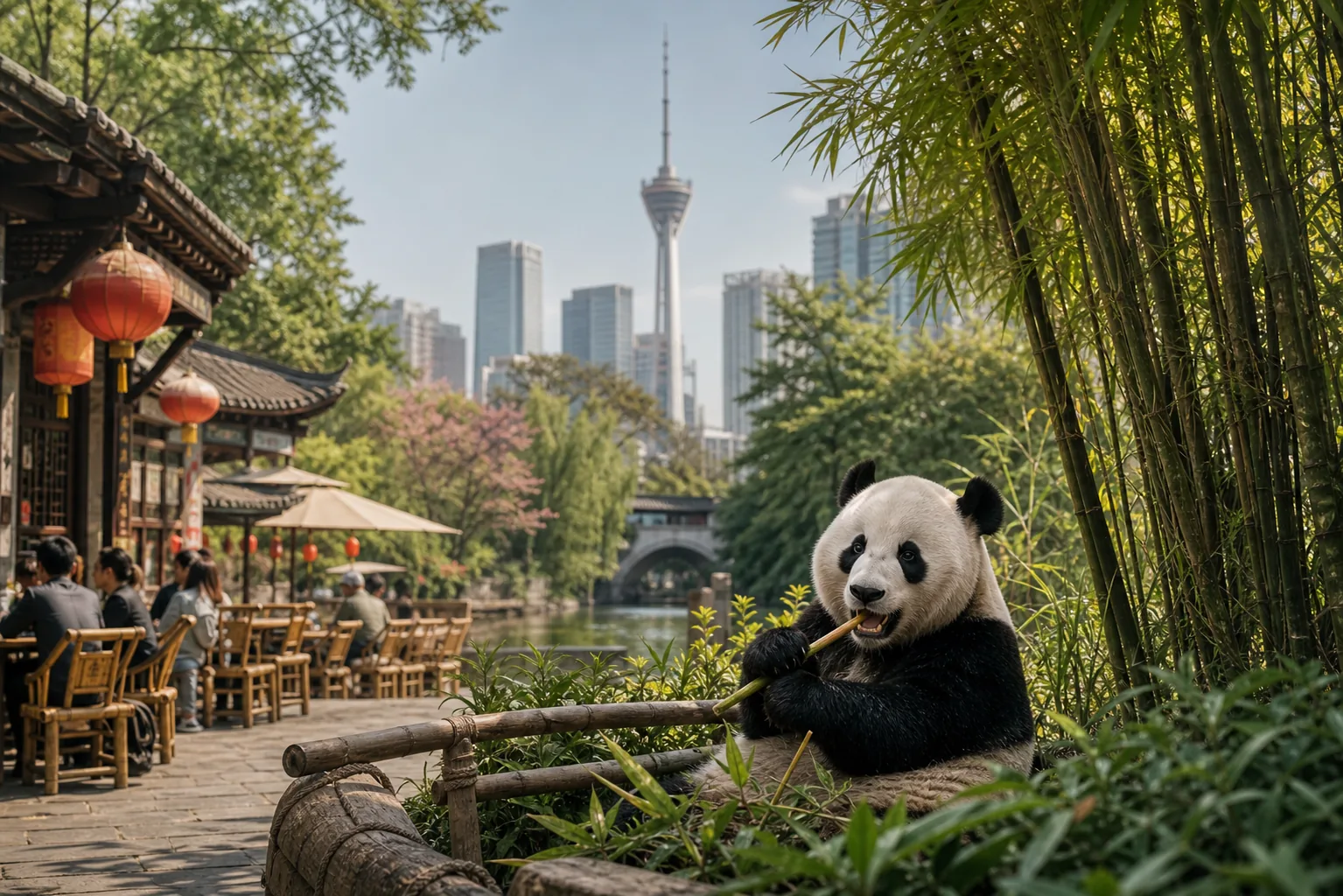
Relaxed, lovely, and famous for pandas.
Open city guide ->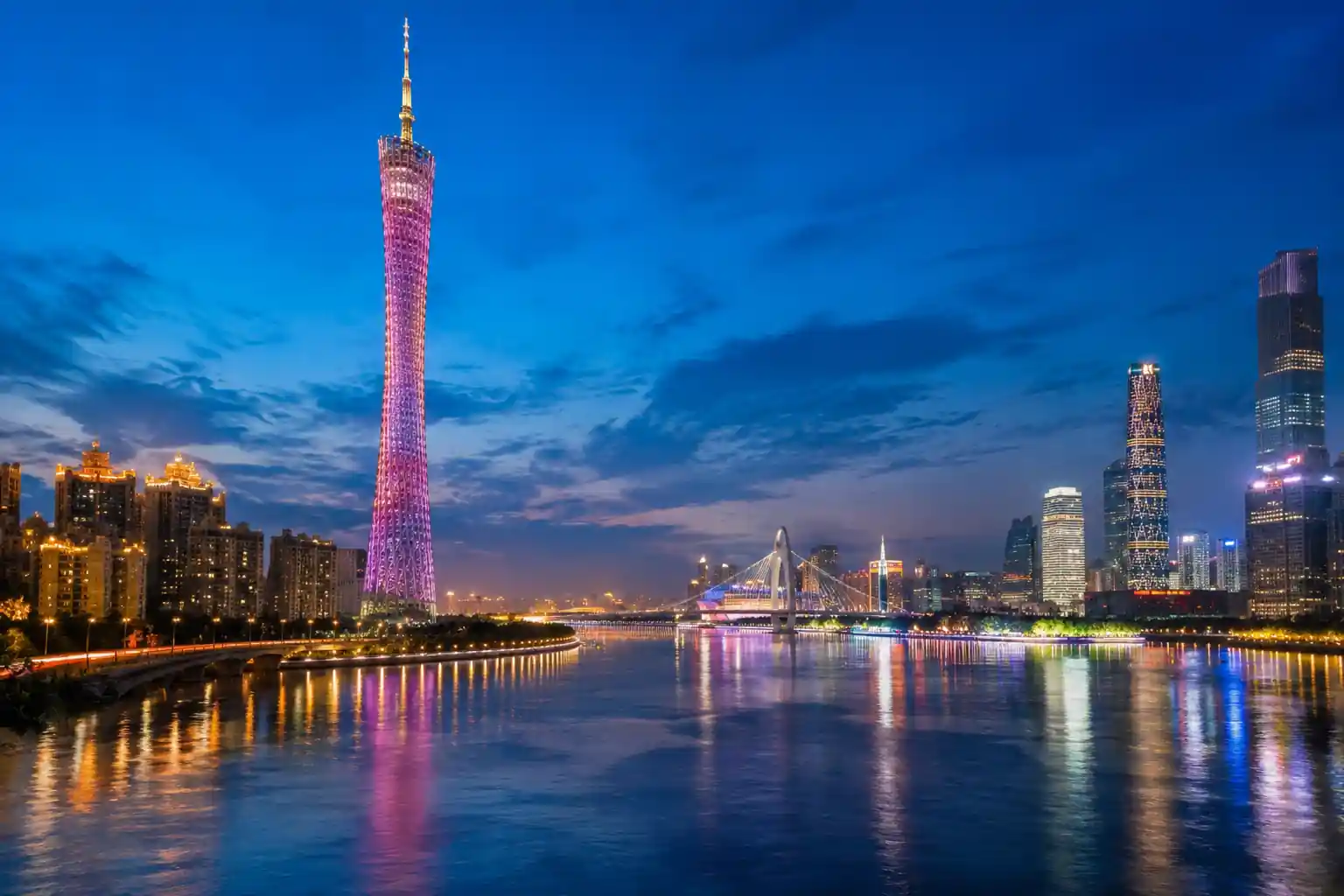
Cantonese food, riverfront lights, and trade-city energy.
Open city guide ->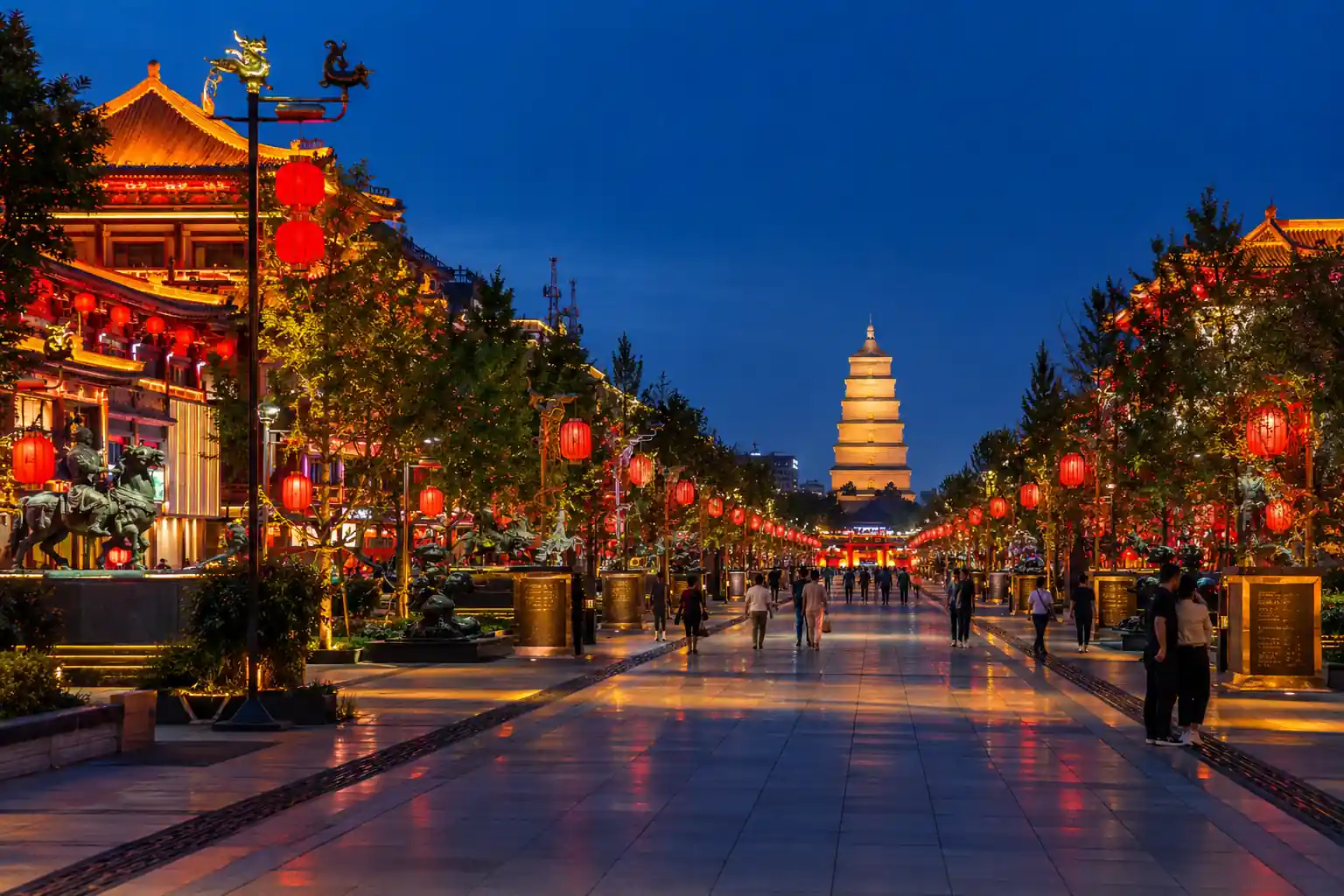
Ancient capital with a direct link to China's imperial past.
Open city guide ->
Island city charm, seaside walks, and Fujian culture.
Open city guide ->