01
Start with trip shape, not a list of famous names
China rewards focus. A route with fewer hotel moves, better neighbourhood grouping, and realistic transfer days usually feels richer than a checklist that crosses half the country.
Route-building guide
China is big enough that the wrong itinerary can become a transfer machine. Start with route shape, door-to-door time, booking bottlenecks, and recovery space before adding more famous names.
Page map
01
China rewards focus. A route with fewer hotel moves, better neighbourhood grouping, and realistic transfer days usually feels richer than a checklist that crosses half the country.
02
The train or flight duration is only the middle. Add hotel checkout, station or airport transfer, security, waiting, arrival transfer, check-in, and the mental cost of moving with bags.
03
Long-distance transport, first-night hotels, passport-linked attractions, special shows, and holiday-period stays should anchor the plan before optional meals and neighbourhood walks.
04
Weather, queues, ticket limits, delayed flights, jet lag, and simple fatigue are normal travel inputs. An open half-day is not wasted time; it is what keeps the itinerary from snapping.
Route shapes
A good China itinerary has an understandable path. If the route shape is weak, every later decision becomes harder: hotel location, train time, luggage, meals, and ticket reservations.
Fit: Beijing, Xi’an, Shanghai or nearby water-town / Hangzhou add-on
Strength: Strong first-trip structure: imperial history, ancient capital, modern skyline, and high-speed rail links.
Watch: Do not cram every Beijing and Shanghai headline into two rushed days each; both cities need district-based planning.
Fit: Yangtze Delta, Yunnan, Sichuan-Chongqing, Greater Bay Area, Guangxi, or Northwest Silk Road
Strength: Lower transfer friction, stronger food and culture rhythm, and easier recovery if weather or tickets change.
Watch: A smaller geographic area still needs buffers; mountain routes, old towns, and airport transfers can be slow.
Fit: Shanghai-Huangshan, Chengdu-Jiuzhaigou, Guilin-Yangshuo, Beijing-Great Wall, Zhangjiajie route
Strength: Balances urban logistics with scenery, but only works when transport and weather risks are respected.
Watch: Nature days often need more time than the map suggests because shuttles, cableways, queues, and visibility matter.
Fit: North, east, southwest, and south in one trip
Strength: Can work for longer trips with clear priorities and domestic flights.
Watch: For one to two weeks, this often becomes a transport project. Cut one region before cutting sleep.

Planning workflow
Decide whether the trip is about classics, food, scenery, family comfort, museums, photography, or a specific region. This filters the entire plan.
Add arrival city, departure city, must-see attraction, special event, visa-free route constraint, school holiday, or work meeting before filling normal sightseeing.
Group sights by city district and cities by rail or flight corridor. Avoid crossing the same megacity twice in one day unless there is a real reason.
Write the full movement chain: hotel to station, station process, ride, arrival, metro or taxi, hotel check-in, luggage, food, and recovery.
Secure transport, first-night hotel, limited tickets, and high-demand stays first. Keep restaurants, shopping, and soft sights flexible.
Ask what happens if one train sells out, rain hits the mountain day, the flight lands late, or a traveller needs a slower morning. Then add the missing buffer.
Day types
Use for: Phone, payment, hotel, food, short walk
Avoid: Timed museum tickets, far suburbs, important shows, or a late transfer to another city.
Use for: One major reservation plus nearby flexible stops
Avoid: Two passport-linked attractions on opposite sides of the city unless entry times and transport are forgiving.
Use for: Move city, check in, eat well, maybe one low-pressure neighbourhood
Avoid: Counting the train ride as “rest” if luggage, station walking, and check-in are still ahead.
Use for: Early start, weather margin, simple evening
Avoid: A tight same-night flight or train after cableways, shuttle buses, stairs, or long rural transfers.
Use for: Laundry, lighter museum, café, park, massage, shopping, or the missed item from earlier
Avoid: Treating every open space as a failure that must be filled.
Transfer math
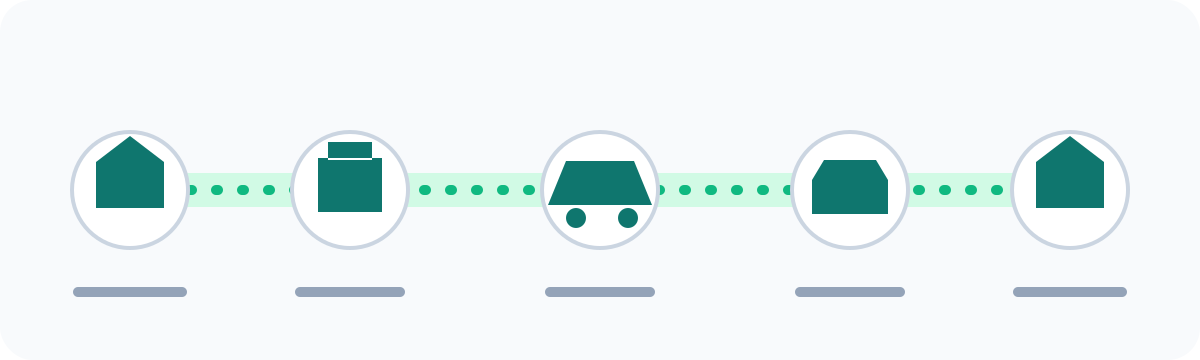
Often excellent door-to-door, but still include station size, security, passport checks, luggage, and the final metro or taxi leg.
Useful for long jumps, but add airport distance, check-in, security, possible delays, baggage, and late-arrival transport.
Large cities can turn “only 12 km” into a tiring hour when traffic, station exits, or transfers stack up.
Maps understate shuttle buses, cableways, ticket windows, walking, weather waits, and return queues. Keep the evening soft.
A hotel move can consume half a day once checkout, bags, taxi, new check-in, and reorientation are included.
City pacing
4-5 days for a first visit
Imperial sites, Great Wall day, hutong or food time, museums, and wide city distances. Put one major anchor per day.
3-4 days
Bund, French Concession, museums, food, skyline, and possible Suzhou/Hangzhou/water-town add-on. Avoid constant east-west zigzags.
2-3 days
Terracotta Warriors, city wall, Muslim Quarter, history sites, and arrival/departure timing. A rushed one-night stop is possible but brittle.
3-5 days combined
Pandas, food, teahouses, museums, hotpot, night views, and nearby nature routes. Build time for slower meals and city texture.
3-4 days
Karst scenery, river routes, countryside cycling, weather, and airport or rail transfer. Do not reduce it to one photo stop.
6-10 days
Kunming, Dali, Lijiang, Shangri-La or side routes need altitude, old-town walking, and transfer buffers rather than a new hotel every night.
Bottlenecks
Book reliable hotels near the arrival or departure logistics first. A bad first-night location can make every setup problem harder.
Trains and flights shape the route. Popular routes, holidays, and good departure times can disappear before optional activities matter.
Major attractions may require advance, real-name, timed reservations. The itinerary should protect those windows rather than squeeze them between transfers.
Mountains, viewpoints, river cruises, and outdoor shows need a flexible backup. Put them before a recovery block when possible.
Long trips need ordinary maintenance. Laundry, sleep, medicine routines, and slower food days keep the second half from collapsing.
Sample rhythms
Choose one region or a classic two-city route. Example rhythm: arrival, two anchor days, transfer, two anchor days, departure buffer.
Three bases can work if transfers are clean. Use a 3-3-3 rhythm with one soft day or a 4-2-4 rhythm around a major rail link.
A classic Beijing-Xi’an-Shanghai route plus Chengdu, Guilin, or Yunnan becomes realistic when each move has breathing room.
Add regional depth instead of only adding cities. A slower second week often produces better memories than a longer list of stations.
Traveller matches
Use a simple north-to-east or north-to-south route, protect setup time, and avoid changing hotels more often than every two nights.
Pick direct transport, fewer bases, hotels near food and metro, and one major activity per day. Rest is part of the child-friendly plan.
Stay longer in fewer cities. Food trips need repeat neighbourhoods, meal timing, and room for local recommendations that appear after arrival.
Put scenery before flexible days, track sunrise and sunset logistics, and avoid moving city immediately after a weather-dependent shoot.
Compare total route cost, not just ticket prices. Extra hotel moves, airport taxis, luggage storage, and missed discounts can erase cheap fares.

Backup stack
The itinerary is not a promise that nothing will change. It is a structure that lets the trip keep working when one train, ticket, meal, or weather day shifts.
A clear north-south, east-west, or single-region structure with fewer hotel moves and no unnecessary backtracking.
Door-to-door transfer math, arrival buffers, one soft block every few days, and no fragile booking after a long move.
First and last hotels, long-distance transport, passport-linked sights, and weather-sensitive anchors secured before filler plans.
Laundry, sleep, simple meals, nearby fallback sights, and permission to leave one good thing for the next trip.
Troubleshooting
Cut the city that adds the most transfer friction and least unique value. Add that time to the weakest existing stop.
Check nearby times, alternate stations, reverse route order, one-night stopovers, or whether a high-speed rail leg can replace a flight.
Move the city order if it is truly essential. If not, replace it with a nearby district, museum, park, or food route instead of fighting the whole day.
Swap with the recovery day, choose a lower-altitude or indoor alternative, or simplify the scenic plan rather than forcing a low-visibility route.
Delete the lowest-value morning plan, not dinner or sleep. A rested evening often saves the next day.
Rebuild the day by neighbourhood. Put pins on a map and remove the attraction that causes the zigzag.
Keep planning
Pick one connected topic and finish the practical setup before adding more places to the itinerary.
Browse all guides ->Important disclaimer
This guide is for general trip-planning information, not legal, medical, financial, or immigration advice. Rules, availability, and provider policies can change—verify time-sensitive details with the relevant official source before you travel or book.
Content confidence
China Itinerary Planning has been reviewed for practical visitor use, internal links, route relevance, and clear action steps.
Rules for entry, payment products, bookings, transport, and attractions can change. Verify official or provider sources before relying on time-sensitive details.
Check official sources before booking time-sensitive items.
Plan with cities
Use these city guides to turn the topic into a route, hotel choice, transfer day, or first-stop decision.
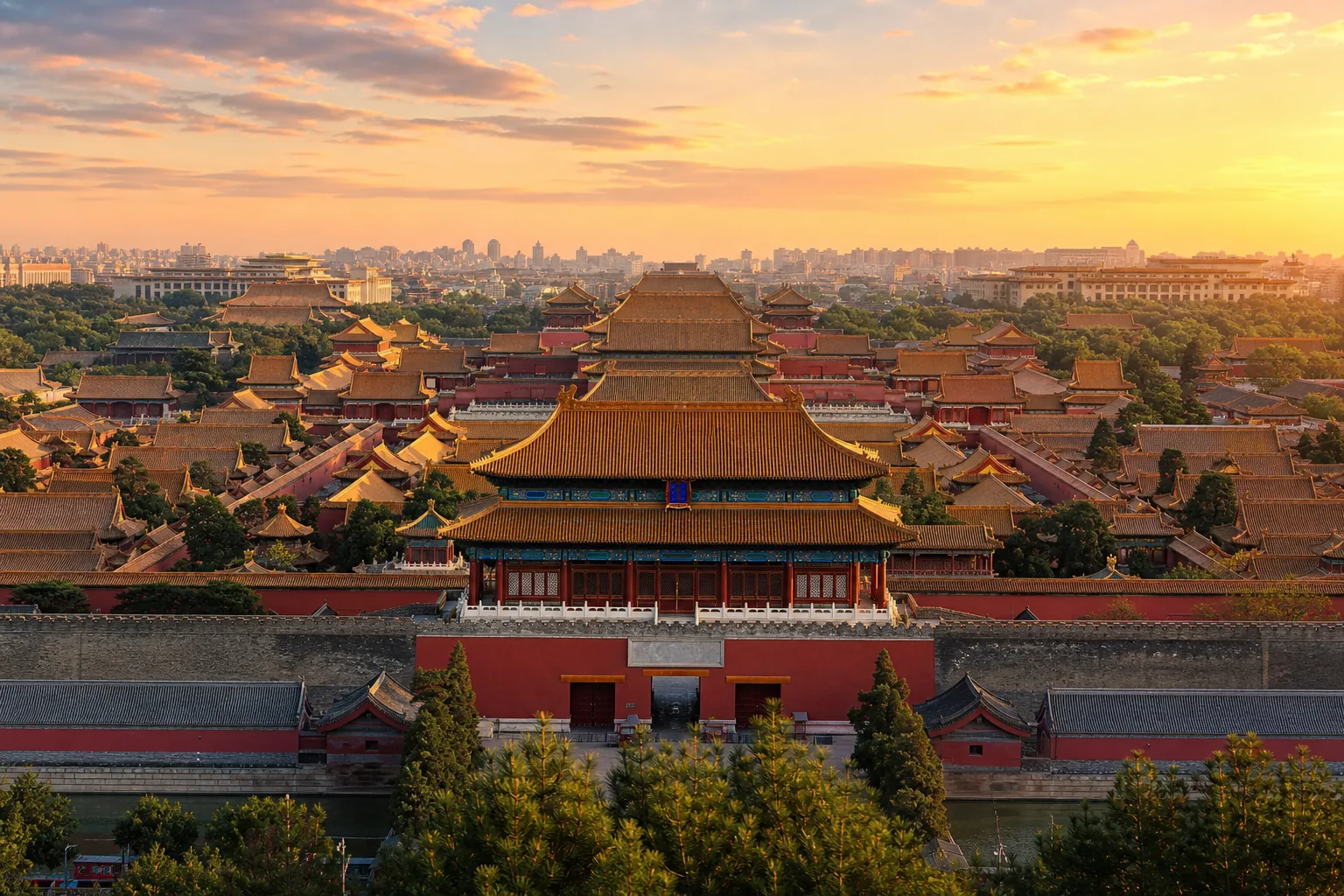
History, culture, and iconic landmarks.
Open city guide ->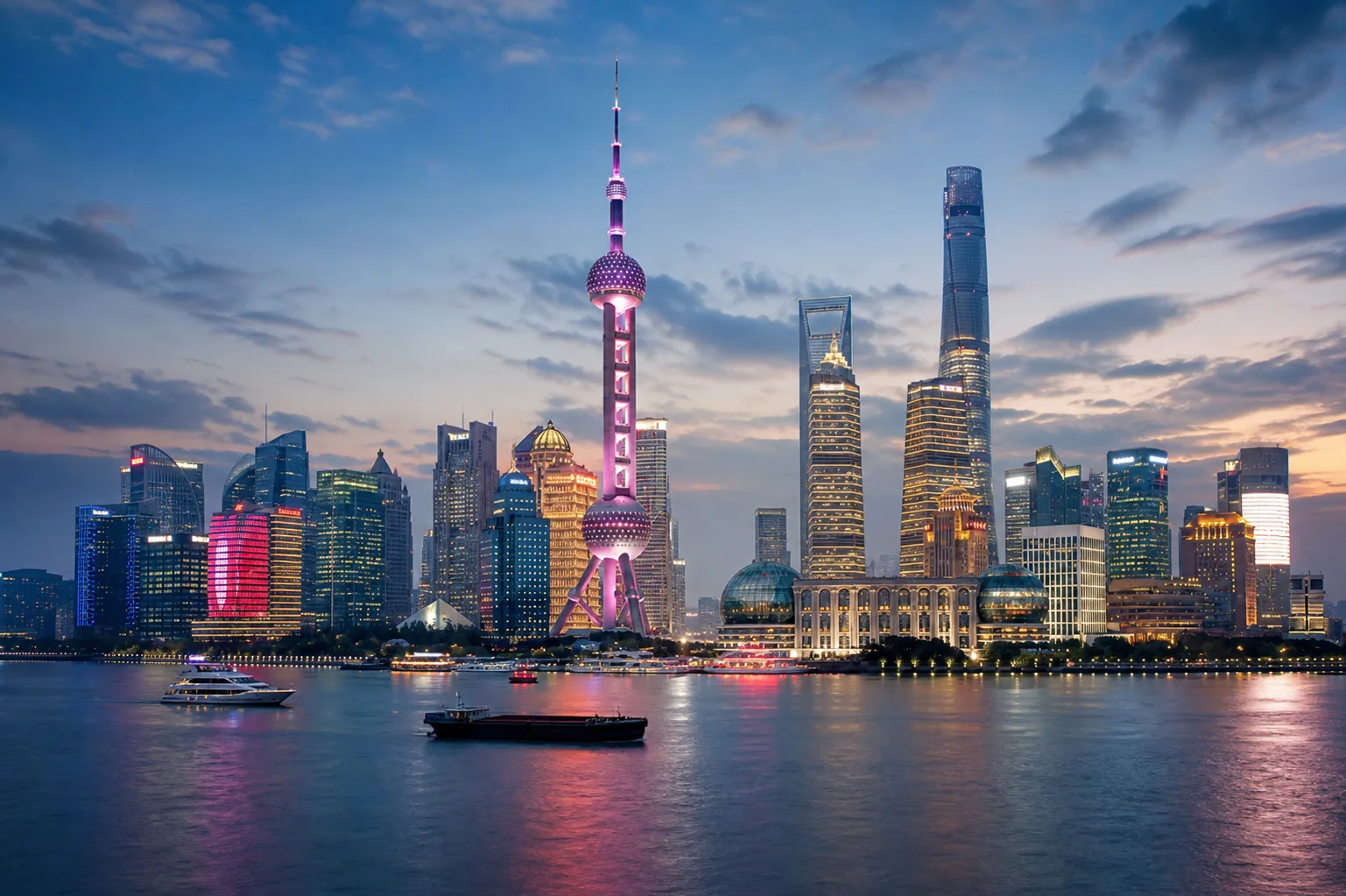
Modern, vibrant, and full of surprises.
Open city guide ->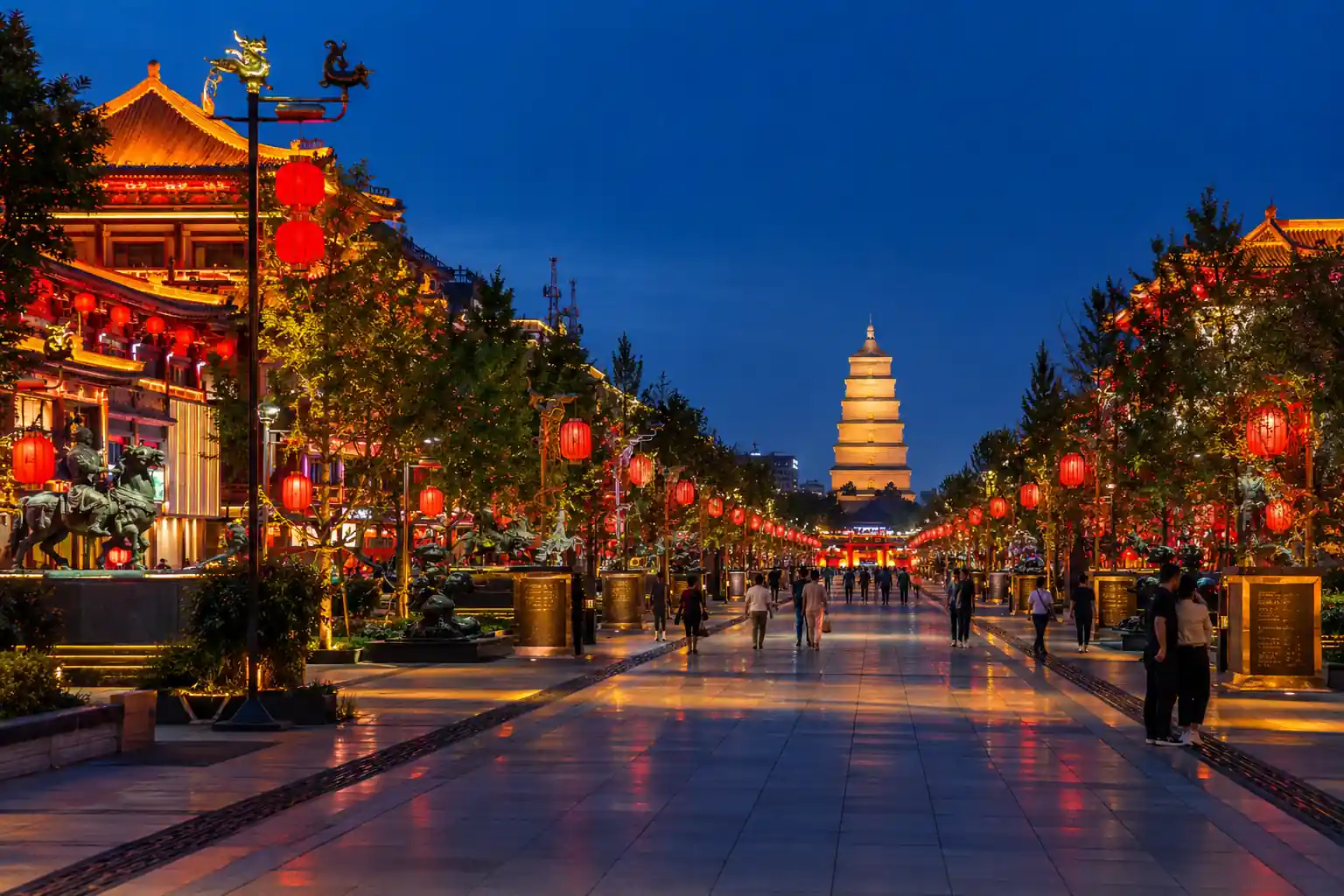
Ancient capital with a direct link to China's imperial past.
Open city guide ->
Relaxed, lovely, and famous for pandas.
Open city guide ->