Guides -> Weather & Packing

Route-based packing guide

Weather & Packing for China: pack for the route, the rain, and the transfer day

China is not one weather zone. A good packing list starts with your exact cities, season, altitude, rain risk, laundry windows, and the first night after arrival. This guide turns that into a practical system you can use before you close the suitcase.

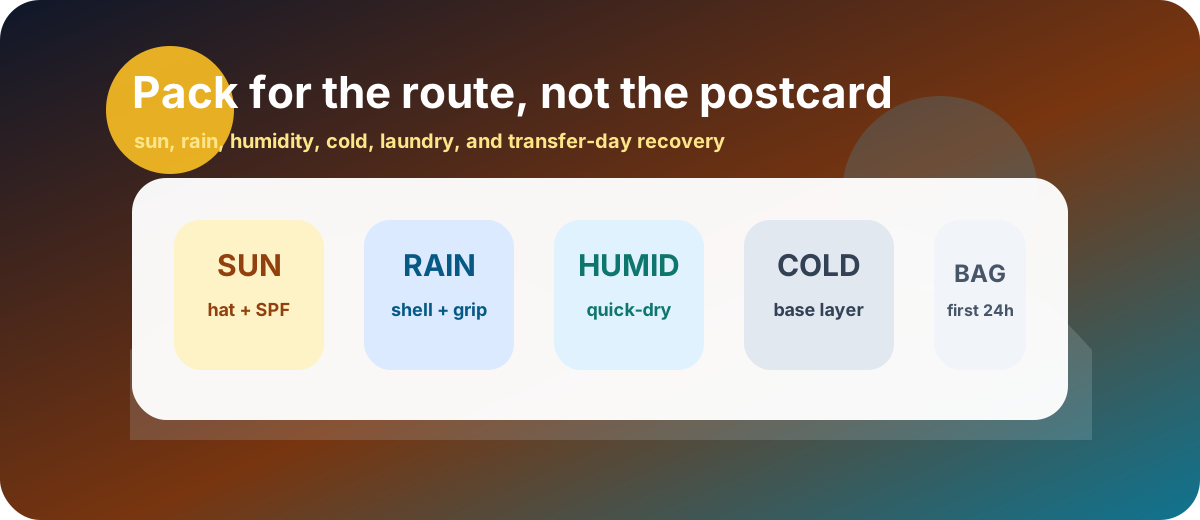
Illustration of China route-based packing with sun, rain, cold, mountain and transfer-day layers.
Weather varies by city, altitude, coast, season, and current forecast. Use this as a packing framework, then check your route forecast and transport updates close to departure.

Page map

The best China packing list changes city by city.

01

Pack by route, not by country

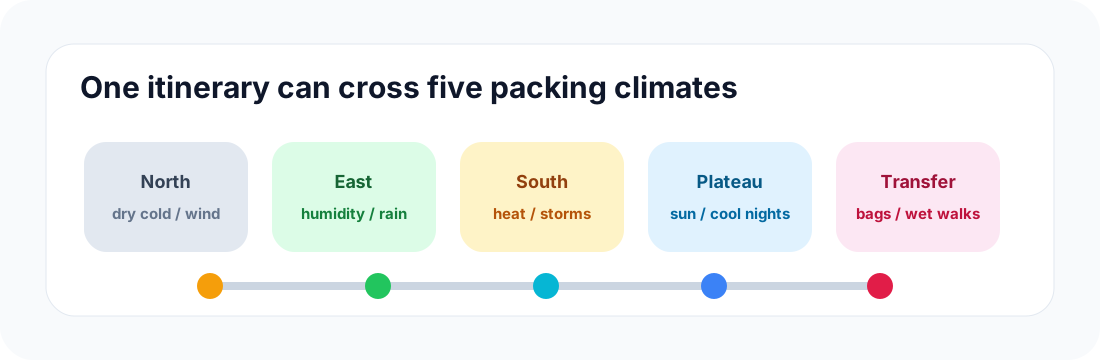
China can put tropical heat, dry northern cold, humid river valleys, windy coast, and high-altitude sun into one itinerary. The useful question is not what to pack for China, but what each city and transfer day will demand.

02

Separate weather layers from comfort layers

A rain shell, base layer, and warm layer solve weather. Tissues, medicine, laundry buffers, spare socks, and power protect the day when weather changes your plan.

03

Treat rain and drying time as logistics

Summer rain, coastal storms, and humid hotels can turn a small packing mistake into damp clothes, slippery shoes, and a failed transfer morning.

04

Make the first 24 hours boring

The first-night bag should work even if checked luggage is delayed, the room is cold or humid, rain starts, or jet lag makes shopping feel impossible.

Packing principles

Start with the moments where travellers actually get uncomfortable.

Check every stop separately

Do not average Beijing, Shanghai, Chengdu, Guilin, Harbin, Yunnan, and Hainan into one forecast. Look at day and night temperatures, rain, wind, altitude, and indoor heating habits for each stop.

Build around the coldest outdoor moment

The coldest moment is often a dawn train transfer, a windy Great Wall visit, a late taxi queue, a mountain cable car, or an unheated old-town room, not the warmest sightseeing afternoon.

Build around the wettest walking moment

The wettest moment may be a metro-to-hotel walk, scenic shuttle queue, old-town stone street, or station arrival with luggage. Shoes and rain protection matter more than a perfect outfit.

Assume indoor comfort varies

Heating, air-conditioning, humidity control, drying space, and room ventilation differ by region, hotel age, and season. A light sleep layer and laundry buffer are small insurance.

Keep one complete change accessible

A fresh base layer, socks, underwear, and basic toiletries in your carry-on or day bag can rescue delayed luggage, rain, sweat, spills, or an overnight rail day.

Do not overpack fixed outfits

Flexible layers, quick-dry basics, repeatable shoes, and a few comfort backups work better than rigid outfits that fail when weather changes.

Illustration mapping China routes to packing weather patterns.

Route weather

Match the suitcase to the route shape, not the destination name.

Beijing, Xian, north China

Weather pattern: Hot summers, cold dry winters, dusty or windy shoulder-season days, and large temperature swings outside summer.

Packing move: Layered jacket system, lip balm, moisturiser, warm hat in winter, breathable summer shirts, comfortable walking shoes, and a wind layer for exposed sites.

Shanghai, Hangzhou, Suzhou, east China

Weather pattern: Humid summers, rainy stretches, damp shoulder seasons, and indoor-outdoor temperature shifts from strong air-conditioning.

Packing move: Light rain shell or compact umbrella, quick-dry clothing, anti-chafe basics, spare socks, breathable shoes, and a thin indoor layer.

Guangzhou, Shenzhen, Hong Kong, Hainan

Weather pattern: Warm to hot conditions, heavy rain bursts, high humidity, strong sun, and possible typhoon disruption in coastal seasons.

Packing move: Very breathable clothing, sun protection, compact rain gear, sandals only if they grip well, quick-dry underwear, and plastic or dry bags.

Chengdu, Chongqing, central river cities

Weather pattern: Humid heat in summer, grey damp winters, frequent drizzle or haze, and lots of stairs, slopes, and slow drying.

Packing move: Sweat-friendly layers, anti-slip shoes, spare shirts, compact towel, light warm layer for winter interiors, and a laundry plan that does not depend on overnight drying.

Yunnan, Guizhou, plateau and mountain routes

Weather pattern: Sun can be strong, nights can cool quickly, rain can change a route, and altitude or mountain weather can make the same day feel like two seasons.

Packing move: Sun hat, sunglasses, light fleece, rain shell, walking shoes, hydration plan, and a warmer layer than the city forecast suggests.

Harbin, northeast winter routes

Weather pattern: Deep winter cold can be the whole trip, not a brief inconvenience. Exposed ears, hands, feet, and phone batteries become the weak points.

Packing move: Insulated coat, thermal base layers, warm boots, wool socks, gloves, hat, neck protection, hand warmers, and a power bank kept warm.

Seasons

Season names are less useful than the problem each season creates.

Spring

Main risk: Fast changes: chilly mornings, warm afternoons, wind, pollen, rain, and dusty northern days.

Pack: Light layers, wind shell, one warm layer, allergy medicine if you use it, and shoes that handle both dry pavement and rain.

Summer

Main risk: Heat, humidity, sun exposure, heavy rain, wet shoes, air-conditioned interiors, and sweaty laundry volume.

Pack: Breathable quick-dry clothing, sun hat, sunscreen, rain shell or umbrella, extra socks, anti-chafe strategy, and a realistic laundry rhythm.

Autumn

Main risk: Often pleasant, but temperature gaps grow quickly, especially at night, in the north, and near mountains.

Pack: Layerable shirts, light fleece or sweater, wind shell, comfortable walking shoes, and one warmer option for early starts.

Winter

Main risk: North China can be very cold and dry; central and southern China can feel damp indoors; mountain or highland routes need more than city clothing.

Pack: Thermal layers for the north, damp-cold layers for the south, warm sleepwear, moisturiser, lip balm, gloves, and shoes with enough grip.

Rainy or typhoon-prone periods

Main risk: Coastal and southern routes can face heavy rain, wind, delays, closed outdoor sights, and waterlogged transfer days.

Pack: Water-resistant bag cover, dry bags, quick-dry spare set, backup indoor plan, shoes with traction, and extra time around flights or ferries.

Illustration of a China packing layer system from base layer to recovery layer.

Layer system

A flexible layer system beats a long list of single-use items.

1

Base layer

Breathable shirts, quick-dry underwear, socks that survive long walks, and one set that can be worn on a transfer day without feeling ruined by sweat.

2

Weather layer

Rain shell, wind shell, compact umbrella, warm layer, or insulated coat depending on route. This layer is chosen by the forecast, not by aesthetics.

3

Foot layer

Broken-in walking shoes are the core. Add warmer socks for winter, grip for rain, and avoid brand-new shoes before Great Wall, old town, or station days.

4

Comfort layer

Tissues, sanitiser, basic medicine, blister care, sunscreen, lip balm, moisturiser, hat, sunglasses, and a small trash or wet bag.

5

Laundry layer

Quick-dry pieces, enough socks, a damp-item bag, detergent sheets if you use them, and a two-night stay where laundry can actually dry.

6

First-night layer

Sleepwear, toothbrush, medicine, charger, one fresh outfit, and weather protection in carry-on so arrival does not depend on unpacking everything.

Transfer day

The transfer-day bag is where weather planning becomes practical.

One reachable warm or rain layer

Train stations, airport buses, late taxi queues, scenic shuttles, and strong air-conditioning can feel completely different from the forecast.

Dry socks and basic change

A wet final walk or sweaty transfer is much less dramatic if you can change before dinner or the next train.

Power and documents

Weather delays make phones work harder. Keep charger, cable, power bank, passport, tickets, and hotel address in the bag that stays with you.

Small medicine and comfort kit

Heat, cold, motion, blisters, and stomach changes often appear on transfer days because the schedule is rigid.

Bag protection

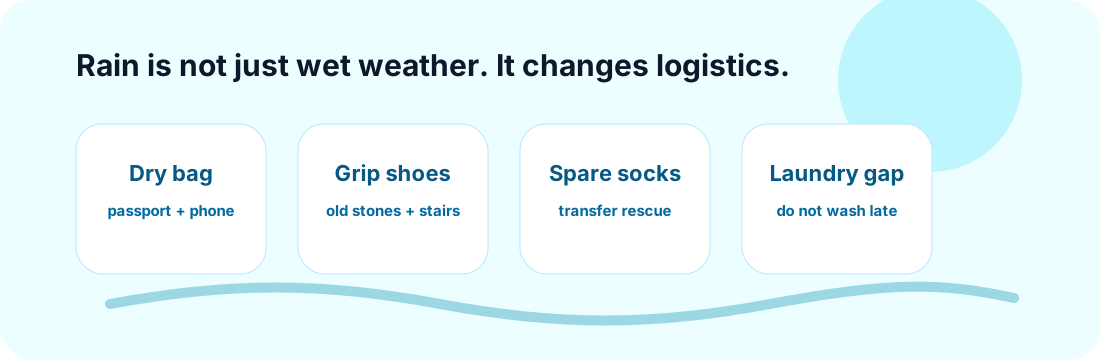
Use a dry bag, plastic pouch, or waterproof pocket for passport, phone, spare clothes, and paper confirmations during rain.

Illustration of a rain and humidity kit for China travel.

Scenario planning

Pack for the scene, not just the temperature.

Great Wall, mountains, cable cars

Expect wind, stairs, sun exposure, and temperature drops. Wear grip shoes, layerable clothing, sun protection, and carry water even if the city feels mild.

Old towns and stone streets

Rain makes polished stone slippery and luggage awkward. Use grippy shoes, pack light for the day, and keep a taxi or drop-off fallback.

High-speed rail with luggage

Dress for walking, stairs, queues, and overheated or chilled waiting areas. Keep valuables and one weather layer outside the suitcase.

Summer city sightseeing

Move outdoor sights earlier, pack water and salt-friendly snacks, plan an indoor reset, and carry a spare shirt if dinner follows directly.

Damp winter in central or southern China

A thick coat is not always enough. Pack warm sleepwear, socks, a light indoor layer, and patience for rooms that feel colder than the outdoor number suggests.

Beach or island route

Pack sun protection, rain backup, quick-dry clothes, mosquito strategy, and a flexible plan for wind or ferry disruption.

Laundry timing

Laundry is a weather decision as much as a clothing decision.

One-night stay

Do not rely on washing anything important. Wear repeatable layers and keep a sealed damp bag if rain or sweat wins.

Two-night stay

Best window for self-service laundry or quick-dry sink wash. Start early in the evening, not right before sleep.

Humid city

Expect slower drying. Avoid washing jeans, thick hoodies, heavy cotton, or the only pair of walking socks.

Cold room

Drying can be slow even when the weather is dry. Ask about hotel laundry, hangers, heater rules, or a nearby laundry option.

Family trip

Pack more socks and underwear than adult-only math suggests. Children turn weather into laundry faster.

Business or dress clothing

Confirm hotel service price and return time before handing over anything you need for the next event.

First-night kit

Your first-night kit should work before the suitcase is fully unpacked.

1

Fresh underwear, socks, and a sleep layer

2

Toothbrush, small toiletries, and any daily medicine

3

Phone charger, cable, adapter, and power bank

4

Rain layer or warm layer for the arrival city

5

Hotel address, booking, and passport copy available offline

6

One simple outfit that works if checked luggage is delayed

Useful phrases

A few written phrases help when weather changes the plan.

今天会下雨吗?

Jintian hui xiayu ma?

Will it rain today?

请问哪里可以买雨伞?

Qingwen nali keyi mai yusan?

Where can I buy an umbrella?

这里可以洗衣服吗?

Zheli keyi xi yifu ma?

Can I do laundry here?

衣服什么时候可以取?

Yifu shenme shihou keyi qu?

When can I collect the clothes?

请问附近有药店吗?

Qingwen fujin you yaodian ma?

Is there a pharmacy nearby?

我需要一件厚一点的衣服。

Wo xuyao yi jian hou yidian de yifu.

I need a warmer piece of clothing.

Illustration of route, clothing, comfort and recovery packing layers.

Backup stack

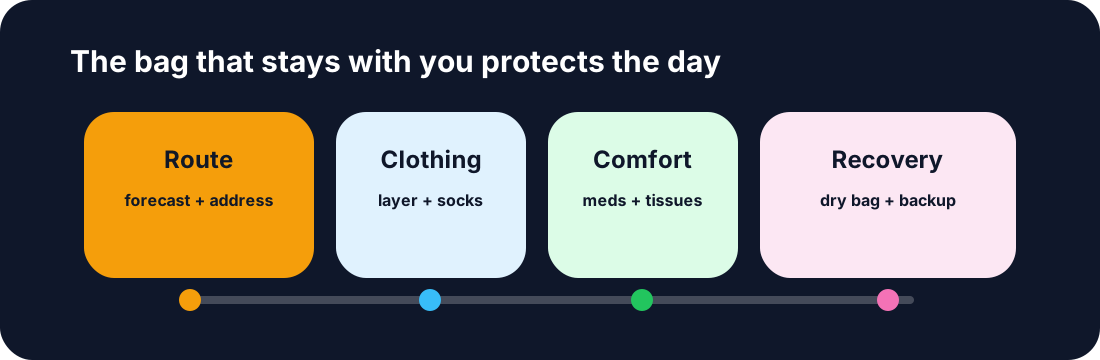
A weather-ready suitcase has route, clothing, comfort, and recovery layers.

This is the difference between carrying more and carrying smarter. You want fewer single-use items and more pieces that keep working when the forecast changes.

Route layer

City-by-city forecast, altitude, coast or inland exposure, and the coldest or wettest transfer moment identified before packing.

Clothing layer

Breathable base, weather shell, warm layer, grippy shoes, spare socks, and quick-dry basics that can be reused across climates.

Comfort layer

Tissues, sanitiser, sunscreen, lip balm, moisturiser, medicine, blister care, dry bags, and one accessible change.

Recovery layer

Laundry window, indoor backup, first-night kit, hotel help phrases, and enough flexibility to change the day when weather wins.

Troubleshooting

When weather wins, protect the next decision.

The forecast changed overnight

Move outdoor sights earlier or later, check whether scenic areas still operate, and keep a mall, museum, cafe, or hotel reset nearby.

Shoes are soaked

Use newspaper or towels to absorb moisture, remove insoles if possible, wear spare socks, and avoid putting wet shoes in a closed suitcase.

The room will not dry laundry

Stop adding more wet items. Ask the hotel about laundry service, use a machine if available, or pack damp clothes separately for the next city.

It is colder indoors than expected

Use sleep layers, socks, and a light jacket indoors. Ask the hotel about heating or extra bedding before it is midnight.

Heat is draining the group

Pause movement, find shade or air-conditioning, drink, eat something salty, and cut the next outdoor block instead of forcing the plan.

Coastal rain disrupts transport

Check flight, ferry, and attraction updates early. Keep documents dry, leave more buffer, and do not make the last connection too tight.

Important disclaimer

This guide is for general trip-planning information, not legal, medical, financial, or immigration advice. Rules, availability, and provider policies can change—verify time-sensitive details with the relevant official source before you travel or book.

Content confidence

Reviewed for practical travel use

Weather & Packing has been reviewed for practical visitor use, internal links, route relevance, and clear action steps.

Rules for entry, payment products, bookings, transport, and attractions can change. Verify official or provider sources before relying on time-sensitive details.

Check official sources before booking time-sensitive items.