01
Audit the exact route, not the city
Accessibility in China is uneven at the entrance, exit, lift, pavement, toilet, hotel room, and scenic-area shuttle level. A city can be modern while one transfer is still stair-heavy.
Slower, smoother travel guide
A China trip with children, older relatives, wheelchairs, mobility aids, sensory needs, or a slower walking pace can work well when the plan is built around exact entrances, rest points, hotel fit, and simple transfer days.
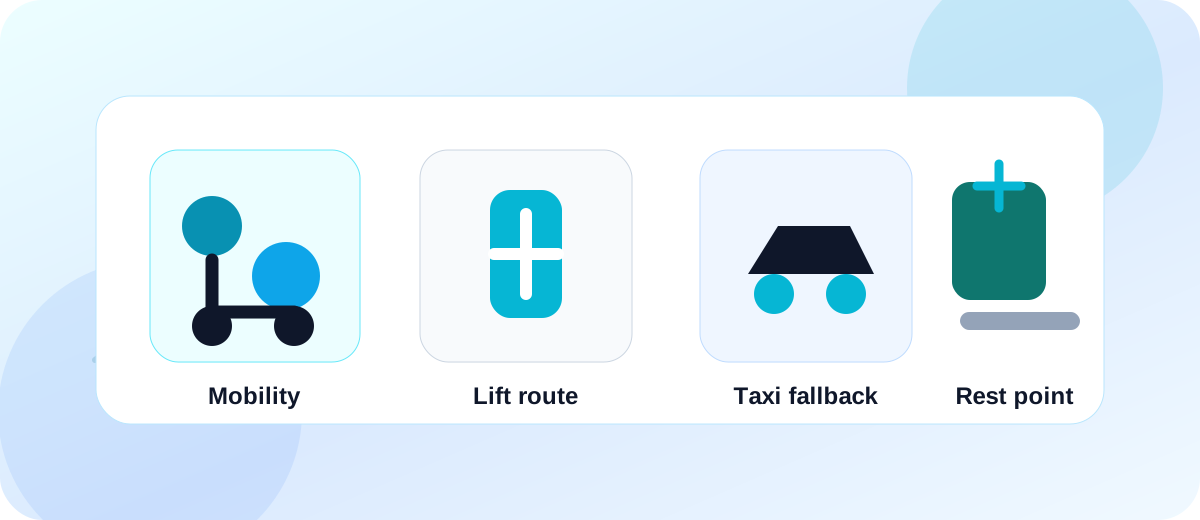
Page map
01
Accessibility in China is uneven at the entrance, exit, lift, pavement, toilet, hotel room, and scenic-area shuttle level. A city can be modern while one transfer is still stair-heavy.
02
Families, seniors, stroller users, and wheelchair travellers usually lose energy at airports, train stations, hotel check-in, and last-500-metre walks. Make those days simple.
03
Choose hotels, trains, flights, and attractions for the tired evening version of the group, not the optimistic planning-table version.
04
Short Chinese notes, hotel addresses, rest-stop options, medication routines, and a taxi fallback matter more than a perfect itinerary.
Traveller fit
Pressure: Lift gaps, crowded metro exits, security checks, naps, meal timing, toilets, and the moment a child melts down while everyone is holding luggage.
Plan: Use a compact foldable stroller, keep one adult hands-free, choose direct transfers, and mark cafes, malls, hotels, or parks as reset points.
Pressure: Long walks inside stations, stairs at old sites, heat, uneven pavements, medication timing, late dinners, and early starts stacked too closely.
Plan: Build one main activity per half-day, use taxis strategically, keep hotels near transport, and protect rest, hydration, and regular meals.
Pressure: Accessible entrances may be separate, lifts may be hard to find, ramps can be steep, older lanes may be uneven, and scenic areas may require shuttles or stairs.
Plan: Check exact entrances, call hotels and venues, save Chinese notes for assistance, and keep a taxi or private-driver route for difficult links.
Pressure: Crowds, loud announcements, security lines, bright malls, queue pressure, schedule surprises, and unfamiliar food or toilet routines.
Plan: Use visual schedules, quiet breaks, headphones, familiar snacks, simple choices, and predictable hotel returns before overload becomes a crisis.
Pressure: Different walking speeds, meal needs, photo priorities, shopping stamina, and tolerance for crowds or weather.
Plan: Plan split options: one active route, one low-step route, shared meals near the hotel, and clear meeting points everyone can find.
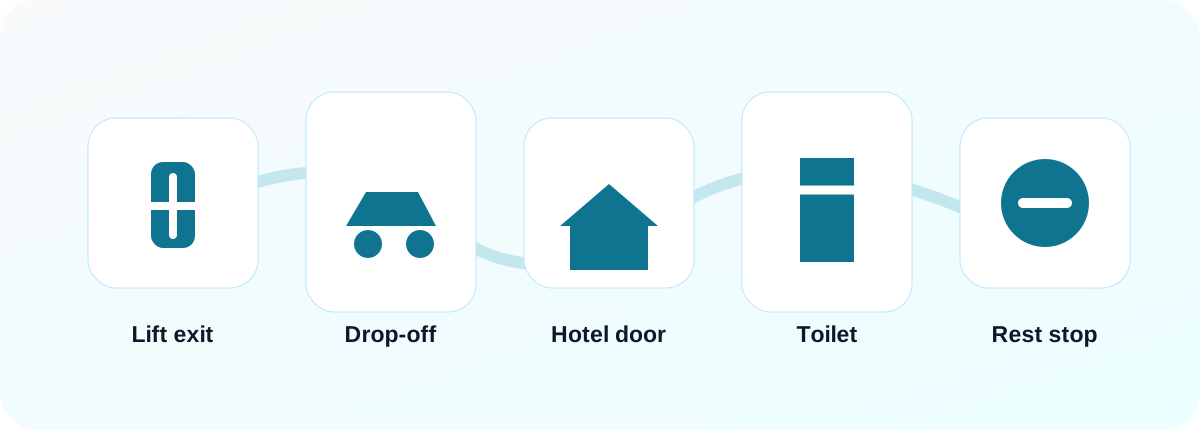
Booking checks
Confirm lift access from street to lobby and from lobby to room. A “central” hotel can still have steps at the entrance, a steep lane, or a footbridge between taxi drop-off and door.
Ask for step-free shower access if needed, bed height, bathroom grab bars if available, crib or extra bed rules, connecting rooms, and whether smoking smell is common on the floor.
Choose hotels near a metro station only if the correct exit has lift or escalator access. The nearest station is not always the easiest station.
Avoid late arrivals plus complex apartments, long walks, or remote old-town stays on the first night. Get everyone fed, washed, and asleep first.
Check whether the key experience requires stairs, long shuttle queues, cable cars, boats, cobbled lanes, or a fixed timed-entry window.
Heat, rain, winter cold, or high altitude can turn a “short walk” into the hardest part of the day. Add indoor reset points.
Transfer day
Toilets, snacks, medicine, water, power bank, passport check, stroller fold plan, and a screenshot of the destination in Chinese.
Use staffed counters when passport gates, luggage, stroller, or wheelchair movement becomes slow. Do not rush through security with loose essentials.
Arrive early enough to find lifts, toilets, and the right gate without making the slowest traveller hurry. Hurrying is where falls and lost items happen.
Choose taxi, ride-hailing, hotel transfer, or metro based on fatigue and luggage, not only cost. The cheapest route can become the most expensive emotionally.
One adult handles passports and payment; another handles children, elders, bags, or mobility aids. Split roles before everyone is tired.
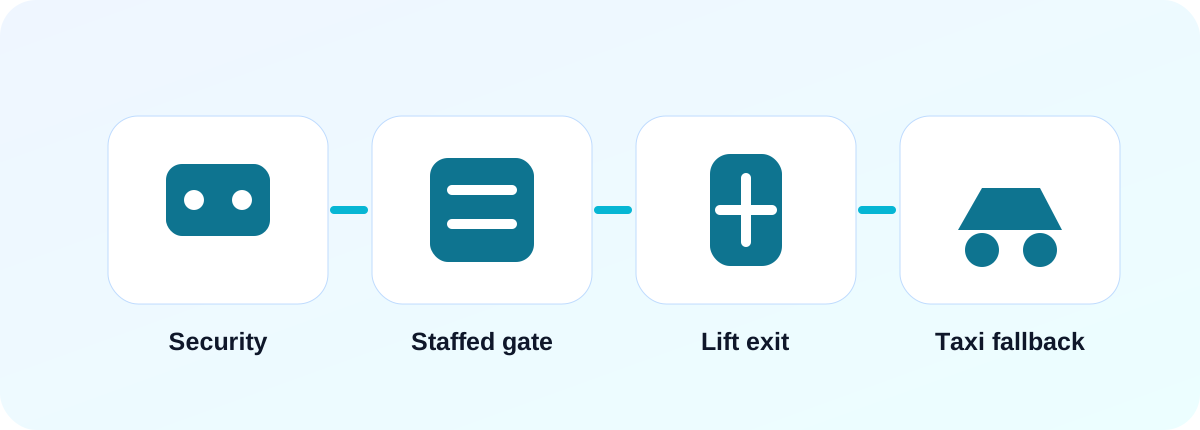
Stations and metro
Tactic: Use map apps, station signage, and staff to identify the lift or escalator exit before following the nearest crowd.
Why: A wrong exit can add stairs, road crossings, luggage dragging, and a long outdoor loop.
Tactic: Pack liquids, power banks, medicine, and electronics where they can be shown quickly. Keep passports and phones in one controlled pocket.
Why: Families and mobility-aid users lose time when trays, bags, and children scatter at the same checkpoint.
Tactic: Avoid peak commuter windows when possible, board at calmer doors, and let one train go if the carriage is packed.
Why: A slower train is better than forcing a stroller, cane, wheelchair, or anxious child into a crush-load carriage.
Tactic: Use the staffed gate if passport scanning is unreliable, and keep the ticket, passport, and carriage number ready.
Why: Foreign passports, family groups, and mobility needs are easier when staff can see the problem quickly.
Tactic: Save hotel and destination names in Chinese, plus a nearby vehicle-accessible drop-off point.
Why: Some old streets and scenic gates are not reachable exactly by car, so the final walk still needs planning.
Hotel questions
Useful for seniors, children, wheelchairs, rain, late arrivals, and heavy luggage. “Near the old town” can mean a walk from the road.
Ask about the entrance, lobby, lift, corridor, room threshold, and bathroom. One step can be the whole problem.
Confirm before arrival and repeat at check-in. Family-friendly does not always mean the setup is ready.
Breakfast can be the difference between a calm day and a medicine, blood-sugar, child-mood, or energy problem.
These are not only shopping stops; they are weather shelter, toilets, food, medicine, and recovery infrastructure.
For accessibility and family travel, hotel staff are often the best practical bridge between the plan and the street.
Attraction reality
Reality: Beautiful routes may include stone thresholds, uneven lanes, steps, crowds, narrow bridges, and limited seating.
Move: Pick one anchor area, use a nearby hotel or cafe reset, and do not schedule several old-town walks on the same day.
Reality: Cable cars, shuttle buses, boardwalks, queues, weather closures, and stairs can control the day more than the map distance.
Move: Check the exact accessible route, start early, carry layers and snacks, and keep a non-mountain backup if weather or stamina drops.
Reality: Often better for lifts, toilets, food, air-conditioning, and seating, but queues and security can still be tiring.
Move: Use them as recovery anchors between outdoor activities, especially for children, elders, and sensory-sensitive travellers.
Reality: The route is often long even when facilities are family-oriented. Stroller rental, lockers, ride restrictions, and meal times matter.
Move: Plan zones, not every ride. Keep a shaded rest point and decide what to skip before the group is exhausted.
Reality: Steps, incense smoke, quiet etiquette, and crowds can affect mobility, breathing, and children’s patience.
Move: Choose the lowest-step entrance if available, keep visits shorter, and give worshippers space.
Day kit
One adult or lead traveller controls passports, hotel cards, train tickets, and payment. Do not spread identity documents across several bags.
Tissues, sanitiser, wet wipes, small trash bag, oral rehydration salts, familiar snacks, sunscreen, and any essential medicine.
Foldable cane or stroller accessories, compact seat pad, light scarf, headphones, small toy, and enough battery for maps and translation.
Umbrella or poncho, hat, layers, cooling towel in summer, gloves in winter, and indoor backup stops marked before the day starts.
Know the next reliable meal before leaving the current area. Seniors and children often struggle less with China than with delayed meals.
Every full day needs a “we are done” route: taxi back, hotel rest, mall reset, or split-group option without guilt.
Phrase cards
请问电梯在哪里?
Qingwen dianti zai nali?
Where is the elevator?
我们需要无障碍入口。
Women xuyao wu zhangai rukou.
We need the accessible entrance.
请帮我们叫出租车。
Qing bang women jiao chuzuche.
Please help us call a taxi.
这里可以推婴儿车吗?
Zheli keyi tui yingerche ma?
Can we use a stroller here?
我们需要休息一下。
Women xuyao xiuxi yixia.
We need to rest for a moment.
请写下可以下车的位置。
Qing xie xia keyi xiache de weizhi.
Please write the place where we can be dropped off.

Backup stack
The goal is not to make China perfectly predictable. It is to make every difficult moment easier to exit.
Lift exits, car-access points, hotel address in Chinese, station buffers, and taxi fallbacks saved before each transfer day.
Step-free access, bathroom fit, crib or extra bed, quiet floor, breakfast, and nearby pharmacy or mall confirmed before arrival.
One main activity per half-day, planned toilets, meal timing, snacks, rest stops, and split-group options.
Short Chinese notes for elevator, accessible entrance, taxi, stroller, rest, hotel address, allergies, and medical needs.
Troubleshooting
Ask staff before committing to stairs. If the route remains unclear, exit and use a taxi or different station rather than forcing the group through a bad transfer.
Show the specific problem: stairs, bathroom step, bed height, smell, noise, or crib missing. Ask for another room early, before unpacking fully.
Switch to the visitor centre, shuttle route, cafe viewpoint, museum section, or a shorter loop. A partial visit is still a successful visit.
Stop movement first. Find shade, toilet, water, food, or a quiet corner. Do not make the next decision while everyone is standing in a crowd.
Split the route intentionally: fast group does the extra loop, slow group holds a table, viewpoint, or hotel reset point.
Use the nearest legal drop-off, then ask hotel or venue staff whether there is a closer accessible entrance or service road.
Itinerary shape
Better shape: Transfer, check-in, nearby meal, early sleep.
Avoid: Old-town stays with hidden steps, late-night metro transfers, or a “quick” attraction after luggage.
Better shape: One anchor sight, one easy meal, one recovery stop.
Avoid: Stacking museum, old town, shopping street, and night view into one heroic day.
Better shape: Door-to-door timing, toilets, meal buffer, and simple arrival.
Avoid: Same-day timed tickets after a long transfer unless the ticket is easy to miss or refund.
Better shape: Indoor anchor, mall or museum reset, taxi-friendly dinner.
Avoid: Long exposed walks in heat, rain, snow, or high pollution without a nearby exit.
Better shape: Laundry, pharmacy, park, short meal route, and optional split plans.
Avoid: Calling it a rest day while secretly filling it with three “small” activities.
Keep planning
Pick one connected topic and finish the practical setup before adding more places to the itinerary.
Browse all guides ->Important disclaimer
This guide is for general trip-planning information, not legal, medical, financial, or immigration advice. Rules, availability, and provider policies can change—verify time-sensitive details with the relevant official source before you travel or book.
Content confidence
Family, Senior & Accessible Travel has been reviewed for practical visitor use, internal links, route relevance, and clear action steps.
Rules for entry, payment products, bookings, transport, and attractions can change. Verify official or provider sources before relying on time-sensitive details.
Check official sources before booking time-sensitive items.
Plan with cities
Use these city guides to turn the topic into a route, hotel choice, transfer day, or first-stop decision.

History, culture, and iconic landmarks.
Open city guide ->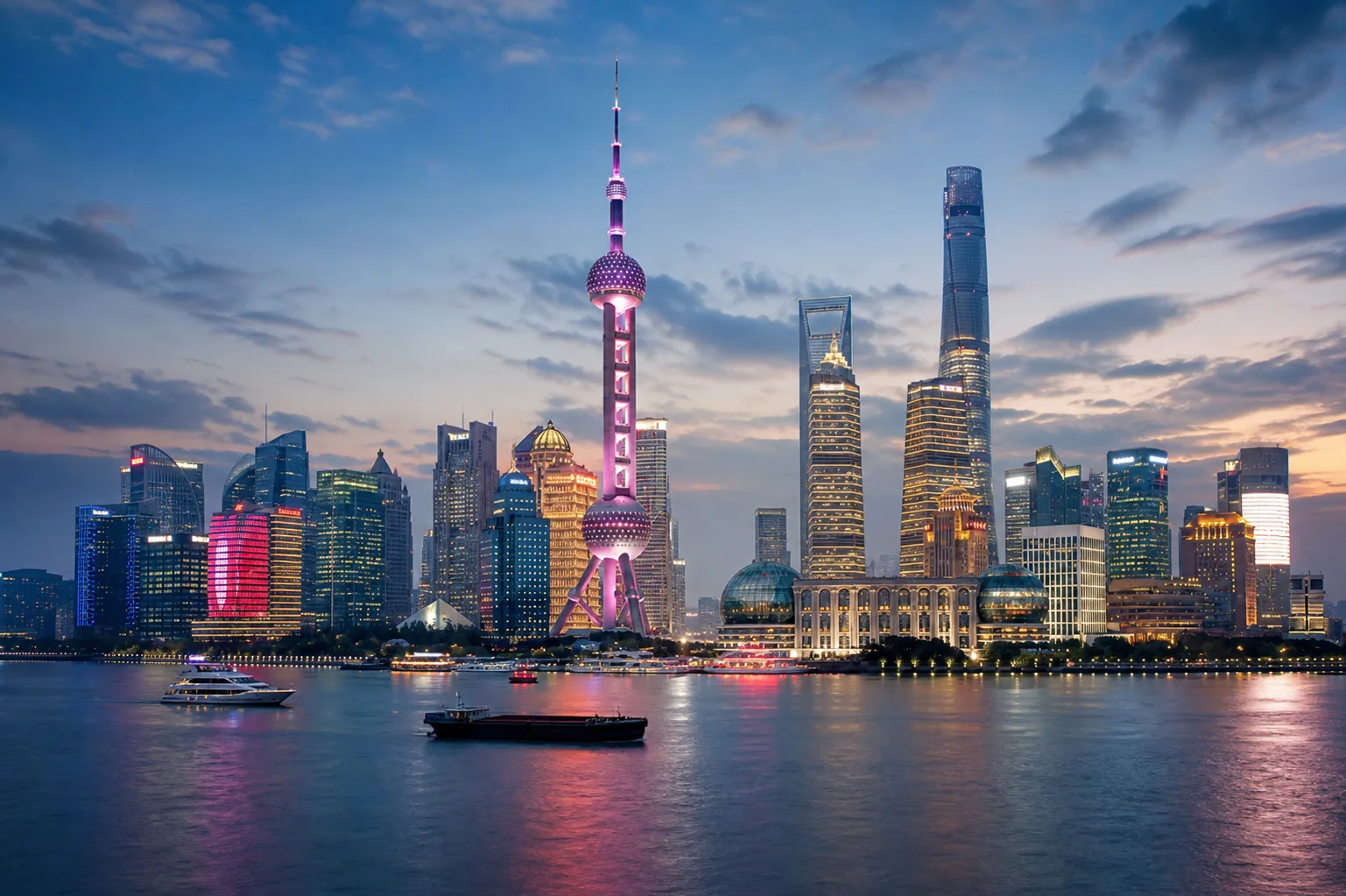
Modern, vibrant, and full of surprises.
Open city guide ->
Relaxed, lovely, and famous for pandas.
Open city guide ->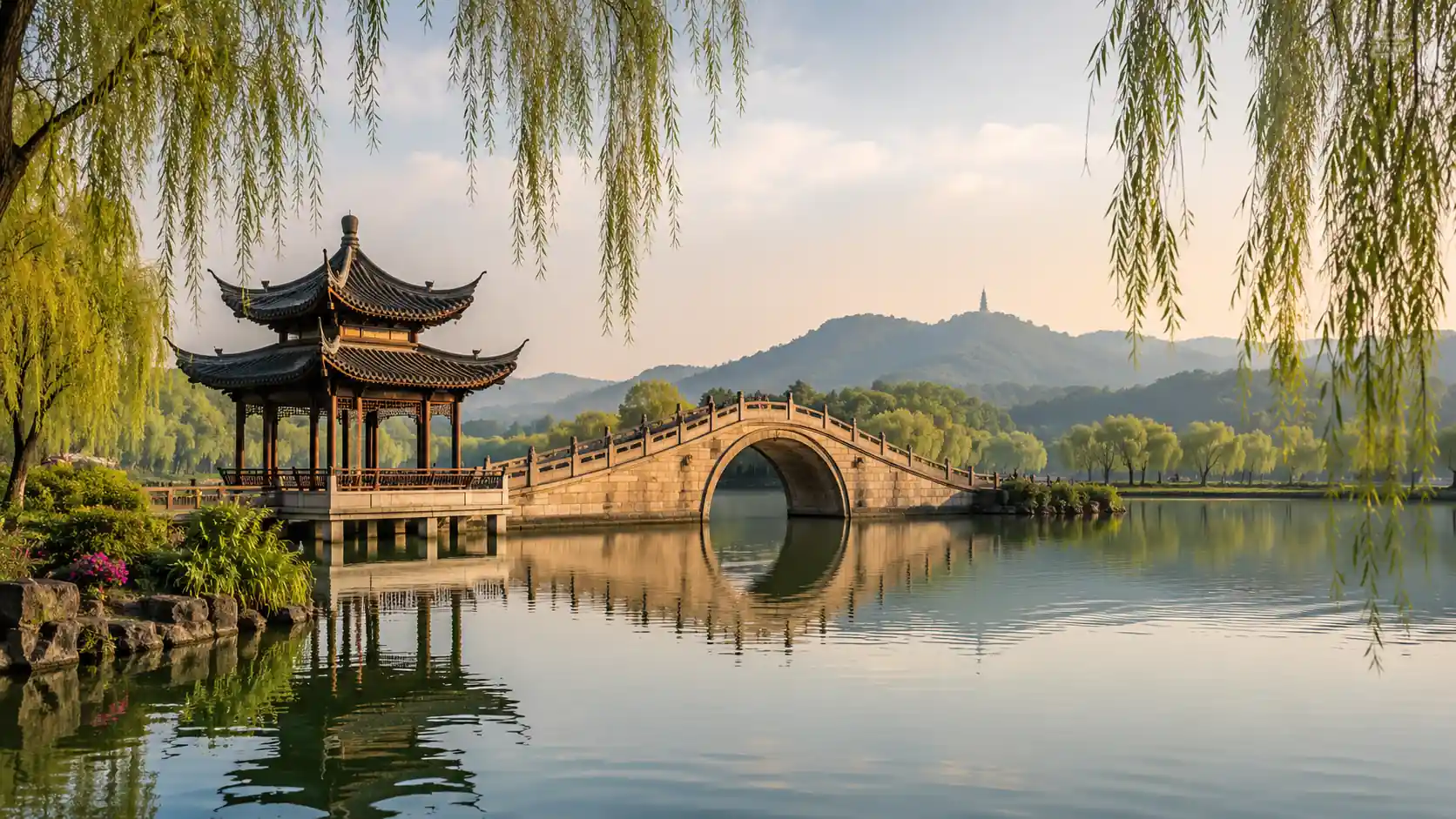
Lakeside scenery, tea culture, and graceful city life.
Open city guide ->