01
Separate must-book sights from flexible stops
Do not treat every attraction the same. Big museums, headline landmarks, caves, shows, and holiday-period sights need earlier attention than parks, neighbourhood walks, and backup museums.
Reservation-first sightseeing
The hard part is rarely knowing what to see. It is knowing which sights need advance booking, which passport details matter, which entry window is real, and what to do when a popular date disappears.

Page map
01
Do not treat every attraction the same. Big museums, headline landmarks, caves, shows, and holiday-period sights need earlier attention than parks, neighbourhood walks, and backup museums.
02
Many major attractions use real-name reservations. For foreign visitors, that usually means the passport details entered during booking must match the physical passport at entry.
03
A ticket can be valid only for one day, one session, one gate, or one exhibition area. Read the confirmation before building the rest of the day around it.
04
Keep screenshots, Chinese attraction names, passport-linked confirmations, refund rules, and a nearby plan B so one sold-out sight does not break the day.
Ticket types
“Attraction ticket” can mean paid admission, free reservation, a timed entry slot, a passport-linked record, a scenic-area bus, a cableway, a show seat, or an extra exhibition. The risk changes with the ticket type.
Often includes: Imperial sites, caves, towers, popular scenic areas
Risk: Tickets may sell out, entry may be session-based, and passport details may be checked at the gate.
Move: Book the anchor first, then arrange transport, meals, and lighter sights around that time.
Often includes: Major public museums and memorial halls
Risk: Free does not always mean walk-in. Some venues still require a timed reservation and identity check.
Move: Reserve as soon as dates open, especially weekends, school holidays, and rainy days.
Often includes: Mountains, large parks, national scenic zones
Risk: The entrance ticket may not include shuttle buses, cableways, boats, or a specific route inside the area.
Move: Check what the ticket covers and whether internal transport must be bought separately.
Often includes: Treasure halls, clock galleries, temporary exhibitions
Risk: The main admission may not include the add-on, or the add-on may require its own reservation.
Move: Book add-ons during the same planning pass so you do not discover the gap at the entrance.
Often includes: Shows, cruises, light displays, evening experiences
Risk: Weather, exact boarding point, seat category, and late transport matter more than the headline ticket name.
Move: Save the meeting point in Chinese and avoid stacking it after a tight flight or train arrival.

Booking workflow
Pick the one sight that would hurt most to miss, then check whether it uses timed entry, passport-linked booking, release windows, or add-on tickets.
Prefer the official website, official mini program, venue-recognised platform, hotel concierge, or a reputable booking service that can handle foreign-passport issues.
Use passport as the document type when appropriate, enter the passport number exactly, and check name order before payment or confirmation.
Check date, morning or afternoon session, last entry time, entrance gate, included areas, and whether the ticket is single-entry.
Keep the QR code, order number, visitor list, Chinese venue name, entrance note, refund rule, and customer-service path where you can open them without data.
Look for weather notices, temporary closures, entrance changes, security rules, and whether the venue requires the original passport at entry.
Passport identity
A photo can help explain a problem, but a passport-linked ticket usually expects the physical passport. Do not leave it at the hotel for a major booked attraction.
Every adult and child may need their own reservation record. Do not assume one lead traveller booking is enough for the whole group.
Some platforms display names in a different order. That is different from a true typo in passport number, surname, or given name.
If you replaced your passport after booking, contact the platform or venue before arrival. The old number may not pass an identity check.
High-demand sights
The Forbidden City, major museums, Tiananmen-area sights, and popular holiday dates can behave like transport tickets: if the quota is gone, turning up early may not fix it.
Some venues release inventory a set number of days before the visit and may open popular dates at a specific time. Put the release time on your planning calendar.
A search result, travel-blog screenshot, or cached platform page is not a ticket. The useful state is paid, reserved, and linked to the right visitor details.
Golden Week, Spring Festival period, summer holidays, weekends, and bad-weather museum days can concentrate demand across tickets, transport, and nearby hotels at once.
Entry-day flow
Open the confirmation before leaving the hotel. Confirm passport, time slot, entrance gate, Chinese attraction name, weather, and transport route.
Reach the area before the entry window feels tight. Security lines, bag checks, wrong gates, and large plazas can consume the comfortable margin.
Use the passport and QR/order record that match the booking. If an automated gate rejects the document, move to staffed service with screenshots ready.
Check whether re-entry is allowed before leaving an area. Large sites can have one-way flows, internal shuttles, and separate exhibition queues.
Keep the next stop flexible. A popular sight can take longer than expected, especially with crowds, heat, rain, or long walks to metro exits.
Itinerary priority
Book first
Forbidden City-style landmarks, must-see museums, caves, special exhibitions, performances, or anything with a strict visitor quota.
Hold with flexibility
Mountains, cableways, river cruises, outdoor viewpoints, and scenic areas where rain or fog changes the value of the ticket.
Plan but do not over-book
Old streets, food areas, parks, shopping districts, and walks that can absorb delays from the anchor sight.
Keep ready
A nearby museum, temple, mall, teahouse, or local market that works if tickets sell out or the weather turns.
Confirmation kit
QR code, order number, payment proof, visitor list, ticket category, add-on ticket proof, and any cancellation deadline.
Original passport, passport copy screenshot, entry permit or visa proof if relevant, and the same document used when booking.
Chinese attraction name, entrance gate, nearest metro exit, ticket office location, and a photo of the official entrance instructions if useful.
Visit date, entry session, last entry time, show time, return transport plan, and a reminder for when you must leave the previous stop.
Platform support chat, venue phone or help window note, hotel concierge contact, and the booking account login method.
Traveller matches
Book the main attraction first, leave one flexible block after it, and avoid placing a paid timed ticket immediately after airport or train arrival.
Check every child and adult has a valid reservation record. Bring snacks, water, toilets-plan patience, and enough time for security and stroller rules.
Watch weekly closure days and daily quotas. A free museum can be harder to enter than a paid sight if the reservation window is missed.
Reserve sunrise, sunset, tower, cave, or night-view tickets early, then build weather alternatives because light and access both matter.
Prioritise official free reservations and public transport, but do not lose a key day by waiting too long for a limited slot.

Backup stack
The goal is not to book every minute. The goal is to protect the few entries that would be difficult to replace, then keep the rest of the day flexible.
Anchor tickets booked early, visitor details checked, add-ons understood, and cancellation deadlines saved.
Original passport, matching booking record, document screenshot, and one booking account that still works on travel day.
Chinese entrance name, metro exit, gate note, security buffer, and enough time to find staffed help if the scan fails.
Nearby flexible sight, weather alternative, meal option, and a route that prevents one ticket problem from ruining the whole day.
Troubleshooting
Do not spend the whole day refreshing one platform. Check official releases, reputable alternatives, nearby sights, different sessions, or a different route day.
Try the official English or Chinese channel, a recognised platform with passport support, hotel help, or venue customer service before the visit date.
Contact the booking channel immediately. If cancellation is allowed, fix it before the deadline; if not, do not assume the gate will override it.
Use screenshots, order number, passport, booking account, and staffed service. This is why offline proof matters.
For a passport-linked attraction, go back for it unless official staff confirm another accepted path. A photo-only attempt can waste the entry window.
Check refund or change rules before the deadline. If fixed, downgrade the day: do the essential part and move optional outdoor plans elsewhere.
Keep planning
Pick one connected topic and finish the practical setup before adding more places to the itinerary.
Browse all guides ->Important disclaimer
This guide is for general trip-planning information, not legal, medical, financial, or immigration advice. Rules, availability, and provider policies can change—verify time-sensitive details with the relevant official source before you travel or book.
Content confidence
Attraction Tickets & Reservations has been reviewed for practical visitor use, internal links, route relevance, and clear action steps.
Rules for entry, payment products, bookings, transport, and attractions can change. Verify official or provider sources before relying on time-sensitive details.
Check official sources before booking time-sensitive items.
Plan with cities
Use these city guides to turn the topic into a route, hotel choice, transfer day, or first-stop decision.

History, culture, and iconic landmarks.
Open city guide ->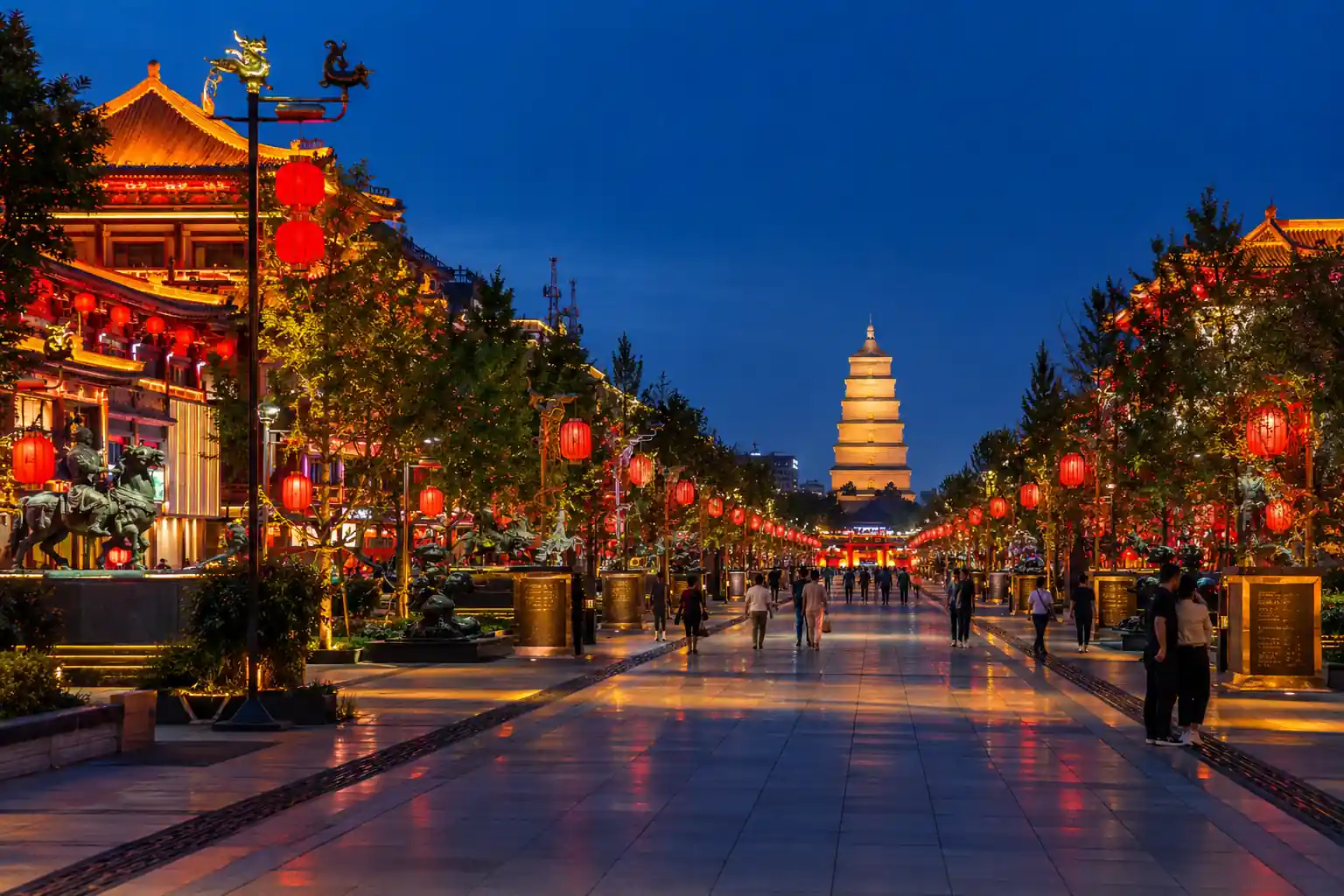
Ancient capital with a direct link to China's imperial past.
Open city guide ->
Dramatic sandstone pillars and mountain park scenery.
Open city guide ->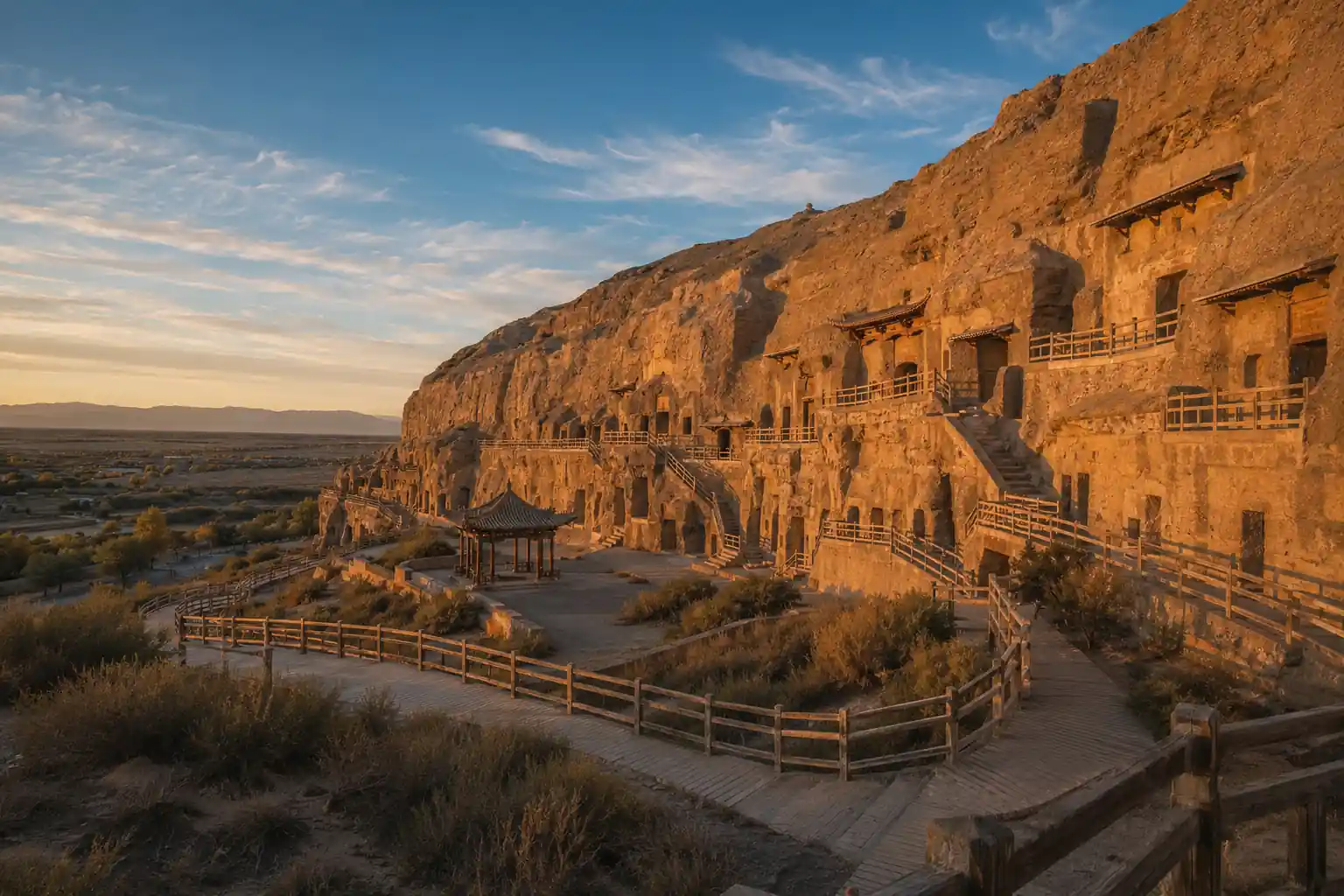
Desert scenery, Mogao Caves, and Silk Road history.
Open city guide ->