01
Prepare before symptoms appear
The best health plan is built at home: vaccines reviewed, prescriptions checked, insurance active, and a local-language medical note saved offline.
Health and emergency planning guide
The most useful China health plan is practical, not dramatic: bring legal medicines clearly labelled, know when a pharmacy is enough, know when to go straight to hospital, and keep payment and insurance records tidy from the first visit.

Page map
01
The best health plan is built at home: vaccines reviewed, prescriptions checked, insurance active, and a local-language medical note saved offline.
02
Bring prescription medicines in original packaging, carry the prescription or doctor letter, and check controlled or unusual medicines before travel.
03
For a minor problem, start with rest, hydration, a pharmacy, or an international clinic. For serious symptoms, go straight to emergency care or call 120.
04
China medical care is usually paid at the time of service. Keep receipts, diagnosis notes, medicine names, and insurer claim files from the first visit.
Before departure
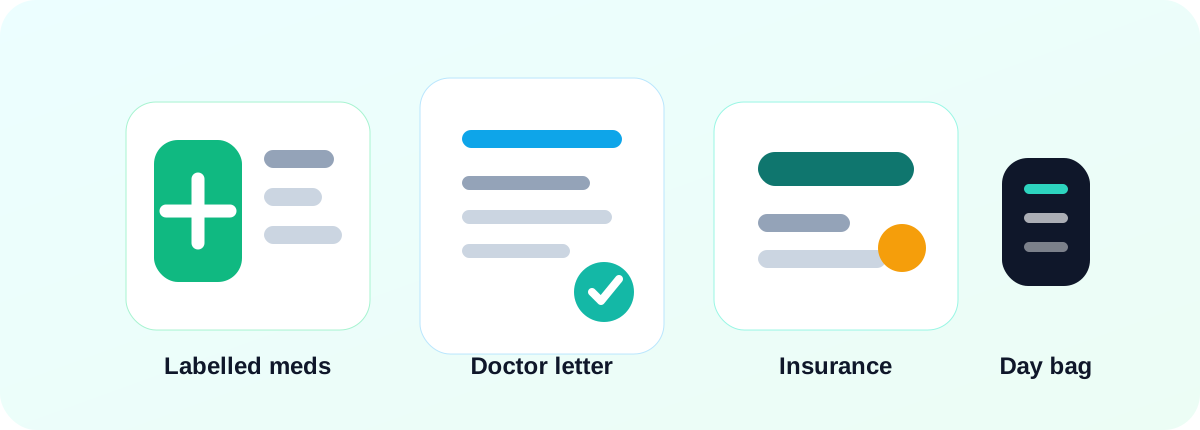
Travellers often start worrying only after a fever, bite, lost bag, or pharmacy confusion. The calmer approach is to decide the medicine, insurance, and care route before boarding.
Book a travel-health review early enough to discuss routine vaccines, hepatitis A and B, typhoid where relevant, rabies risk, altitude plans, and chronic-condition stability.
Ask whether each medicine is legal to bring into China, especially stimulants, sedatives, strong pain medicines, injections, cannabis-derived products, or anything controlled at home.
Keep medicines in original labelled packaging, bring a prescription or doctor letter with generic names, and split a few days of essential medicine into your carry-on.
Buy coverage that includes hospital care, emergency assistance, medical evacuation, and activities you actually plan to do, then save the policy and hotline offline.
Create a one-page note with allergies, chronic conditions, blood type if known, medicines with dosages, emergency contacts, and insurer details.
Save the nearest suitable hospital or clinic for your first city, plus your hotel address in Chinese and the numbers for your insurer and embassy or consulate.
Medicine plan
Plan: Bring enough for the whole trip plus delay buffer, in original packaging, with generic names and dosage instructions.
Watch: Do not rely on finding the same brand locally. Some medicines may be unavailable, regulated differently, or sold under unfamiliar names.
Plan: Check legality before departure and carry a doctor letter. This is especially important for ADHD stimulants, sleep medicines, strong pain medicine, anxiety medicine, and injectable treatments.
Watch: A medicine that is routine at home can create customs or legal problems elsewhere. Cannabis and cannabis-derived products are not a travel workaround.
Plan: Pack familiar fever medicine, oral rehydration salts, stomach medicine, motion-sickness tablets, antihistamine, blister care, and any personal “must have” items.
Watch: A pharmacy can help with common issues, but language, brand names, and ingredient differences make a small home kit worthwhile.
Plan: Carry rescue medicine in your day bag, not checked luggage. Save allergy wording, inhaler names, and emergency contacts offline.
Watch: If breathing, swelling, widespread hives, or faintness appears, skip the pharmacy step and seek urgent care.
Plan: Plan needles, glucose monitors, CPAP gear, chargers, prescriptions, battery rules, and cooling pouches before flying.
Watch: Keep documentation with the device and avoid packing irreplaceable medical supplies only in checked baggage.
Plan: Use reputable pharmacies or hospital-linked pharmacies, photograph the box, and ask a clinician or pharmacist to confirm dosage if unsure.
Watch: Avoid mystery medicines from informal channels. Counterfeit or wrong-strength medicines are a real travel risk.
Getting help
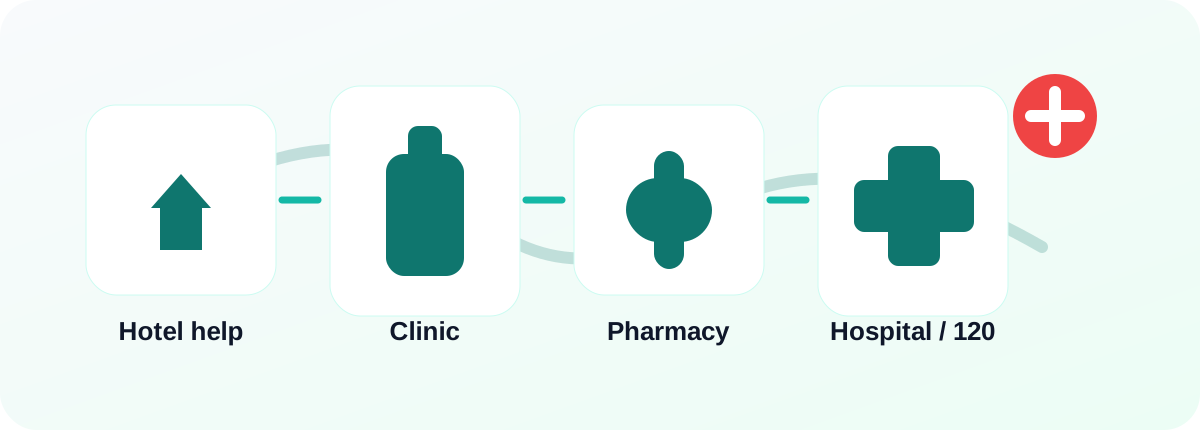
Use when: Severe symptoms, major injury, collapse, breathing trouble, chest pain, stroke signs, heavy bleeding, or you cannot safely move the person.
Action: Ask hotel staff, a local companion, or a bystander to call 120 and clearly give the address in Chinese. If response is slow and moving is safe, a taxi to a major hospital may be faster in some cities.
Use when: You need a local address, a taxi, a nearby hospital recommendation, translation help, or someone to speak with emergency services.
Action: Show the symptom card, passport name, insurer hotline, and destination. A staffed hotel can often solve the “where do I go right now?” problem faster than a map search.
Use when: You need clinic selection, guarantee-of-payment advice, evacuation approval, claim rules, or help deciding whether to move hospitals.
Action: Call before non-emergency treatment when possible. Ask what records, receipts, diagnoses, and discharge papers they require.
Use when: Non-life-threatening illness, prescription advice, English-language care, vaccinations, stomach illness, mild infection, or chronic-condition follow-up.
Action: Expect higher prices than local clinics. Confirm hours, accepted payment, doctor availability, and whether they can refer you to a hospital if needed.
Use when: Serious injury, severe infection, dehydration, high fever, allergic reaction, animal bite, or symptoms that need imaging, labs, or specialist care.
Action: Bring passport, phone, payment method, health card, and a translator app. Keep every receipt and ask staff to write medicine names and dosages clearly.
Care options
Useful for mild jet lag, minor stomach upset, small blisters, mild sunburn, or fatigue. Hydrate, use bottled water, and reassess quickly if symptoms worsen.
Good for simple OTC needs, plasters, oral rehydration salts, fever medicine, or minor cold symptoms. Bring a translated symptom note and photo of any medicine you already take.
Best when language support, travel-medicine judgement, or familiar care style matters more than lowest cost. Confirm price and insurance process first.
Appropriate for urgent or complex problems, imaging, labs, severe dehydration, animal bites, serious infection, or trauma. Expect forms, queues, payment steps, and limited English in many places.
Urban areas have more private options, but same-day English service is not guaranteed. Ask your hotel, insurer, or clinic for a referral route.
Carry a better health kit, know the exit route, and assume emergency care may require travel back to a larger city. Do not make a remote hike your first test of a fragile condition.
Red flags
Call 120 or go to emergency care immediately. Do not wait for a clinic appointment if symptoms are sudden, severe, or neurological.
Swelling of lips or throat, wheezing, faintness, widespread hives, or rapid worsening needs urgent care. Use prescribed rescue medicine if you have it.
Treat this as urgent, especially after rural travel, animal exposure, severe dehydration, or a rapidly worsening infection.
If you cannot keep fluids down, feel faint, or stop urinating normally, seek medical care rather than trying endless self-treatment.
Wash the wound thoroughly with soap and clean water, then seek medical care quickly for rabies risk and wound management.
Headache plus nausea, dizziness, breathlessness, confusion, poor coordination, or worsening sleep at high altitude means stop ascending and get help.
Health risks
Drink bottled or properly treated water, be cautious with ice and raw foods in higher-risk settings, and carry oral rehydration salts.
Stomach illness is one of the most common ways a good itinerary turns into hotel-room time.
Do not feed or touch dogs, monkeys, bats, or unfamiliar animals. Treat bites and scratches as medical events, not travel anecdotes.
Rabies risk changes the timeline: quick wound washing and professional care matter.
Use repellent, cover skin in buggy areas, and be more careful in warm, wet seasons and southern regions.
Dengue and other insect-borne illnesses cannot always be prevented by a vaccine or pill.
Adjust plans for heat, hydrate with salts on long days, dress in layers for western or northern routes, and protect skin during outdoor days.
Weather risk is often underestimated because it feels ordinary until dehydration or exposure becomes serious.
Build slow acclimatisation into Tibet, Qinghai, western Sichuan, Yunnan highlands, or Xinjiang mountain routes.
A tight itinerary can turn altitude symptoms into a medical evacuation problem.
Use seat belts where available, avoid risky scooters, choose reputable operators, and be conservative in remote scenic areas.
Injury care can be much harder outside major cities, especially after dark or in remote terrain.
Payment and records
Ask about payment, deposit, accepted methods, and whether the clinic or hospital can produce insurer-friendly invoices.
Keep a running note of doctor name, department, diagnosis, tests, medicines, dosage, and follow-up instructions.
Photograph medicine boxes and labels before throwing anything away. Ask for generic names if possible.
Save receipts, itemised bills, discharge summaries, prescriptions, test results, and proof of payment in one folder.
Use short symptom notes, translated phrases, photos, and a local helper where possible. Do not rely on long live translation during a crisis.
Phrase cards
我需要看医生。
Wo xuyao kan yisheng.
I need to see a doctor.
请帮我叫救护车,电话 120。
Qing bang wo jiao jiuhuche, dianhua 120.
Please call an ambulance, 120.
我对这个过敏。
Wo dui zhege guomin.
I am allergic to this.
我有慢性病。
Wo you manxingbing.
I have a chronic condition.
我正在服用这种药。
Wo zhengzai fuyong zhe zhong yao.
I take this medicine.
请写下诊断、药名和剂量。
Qing xie xia zhenduan, yaoming he jiliang.
Please write the diagnosis, medicine name, and dosage.
Backup stack
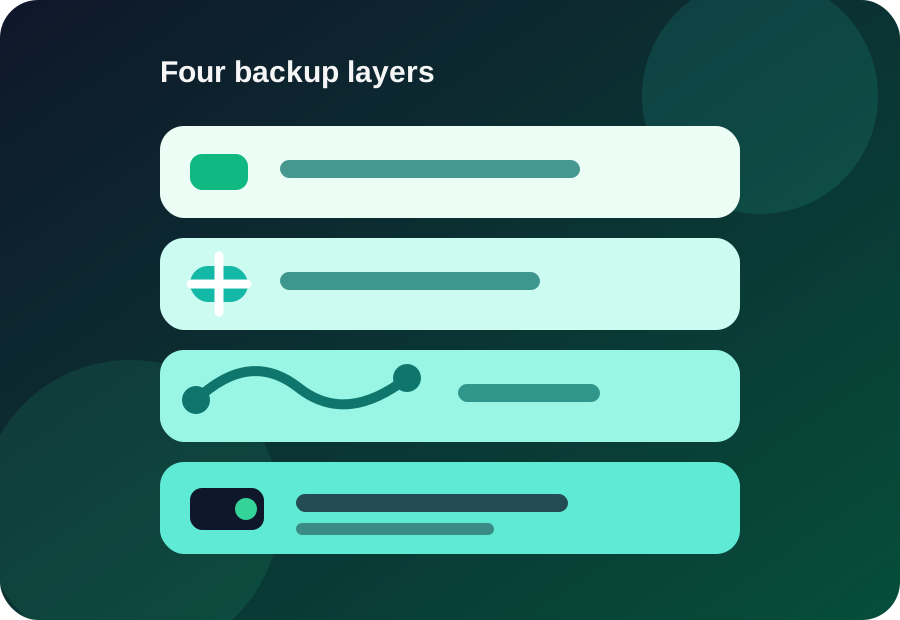
The goal is not to predict every illness. It is to make the first hour of a problem calmer, faster, and easier to document.
Passport, insurance, health card, prescriptions, doctor letters, allergy notes, and local care contacts saved offline and in cloud backup.
Original packaging, legal checks, delay buffer, OTC basics, rescue medicine, and a carry-on split for essential daily doses.
Pharmacy route for minor problems, clinic route for non-urgent care, hospital route for serious symptoms, and 120 for emergencies.
Payment app, backup card, RMB buffer, insurer hotline, receipts, itemised bills, diagnosis notes, and photos of every medicine dispensed.
Traveller matches
Prioritise medicine legality, doctor letters, insurance with evacuation, enough supply, and a city-by-city care list.
Pack child-safe fever medicine, oral rehydration salts, thermometer, allergy notes, and a plan for who handles passports while another adult handles the child.
Slow the itinerary, protect medication timing, avoid one-phone dependence, and choose hotels near transport and medical care.
Upgrade the first-aid kit, check altitude risk, avoid remote solo activity, and know how to retreat to a larger city.
Keep prescriptions in carry-on, save clinic options near the hotel, and do not let a packed schedule delay treatment of red-flag symptoms.
Keep planning
Pick one connected topic and finish the practical setup before adding more places to the itinerary.
Browse all guides ->Important disclaimer
This guide is for general trip-planning information, not legal, medical, financial, or immigration advice. Rules, availability, and provider policies can change—verify time-sensitive details with the relevant official source before you travel or book.
Content confidence
Health, Medicine & Getting Help has been reviewed for practical visitor use, internal links, route relevance, and clear action steps.
Rules for entry, payment products, bookings, transport, and attractions can change. Verify official or provider sources before relying on time-sensitive details.
Check official sources before booking time-sensitive items.
Plan with cities
Use these city guides to turn the topic into a route, hotel choice, transfer day, or first-stop decision.

History, culture, and iconic landmarks.
Open city guide ->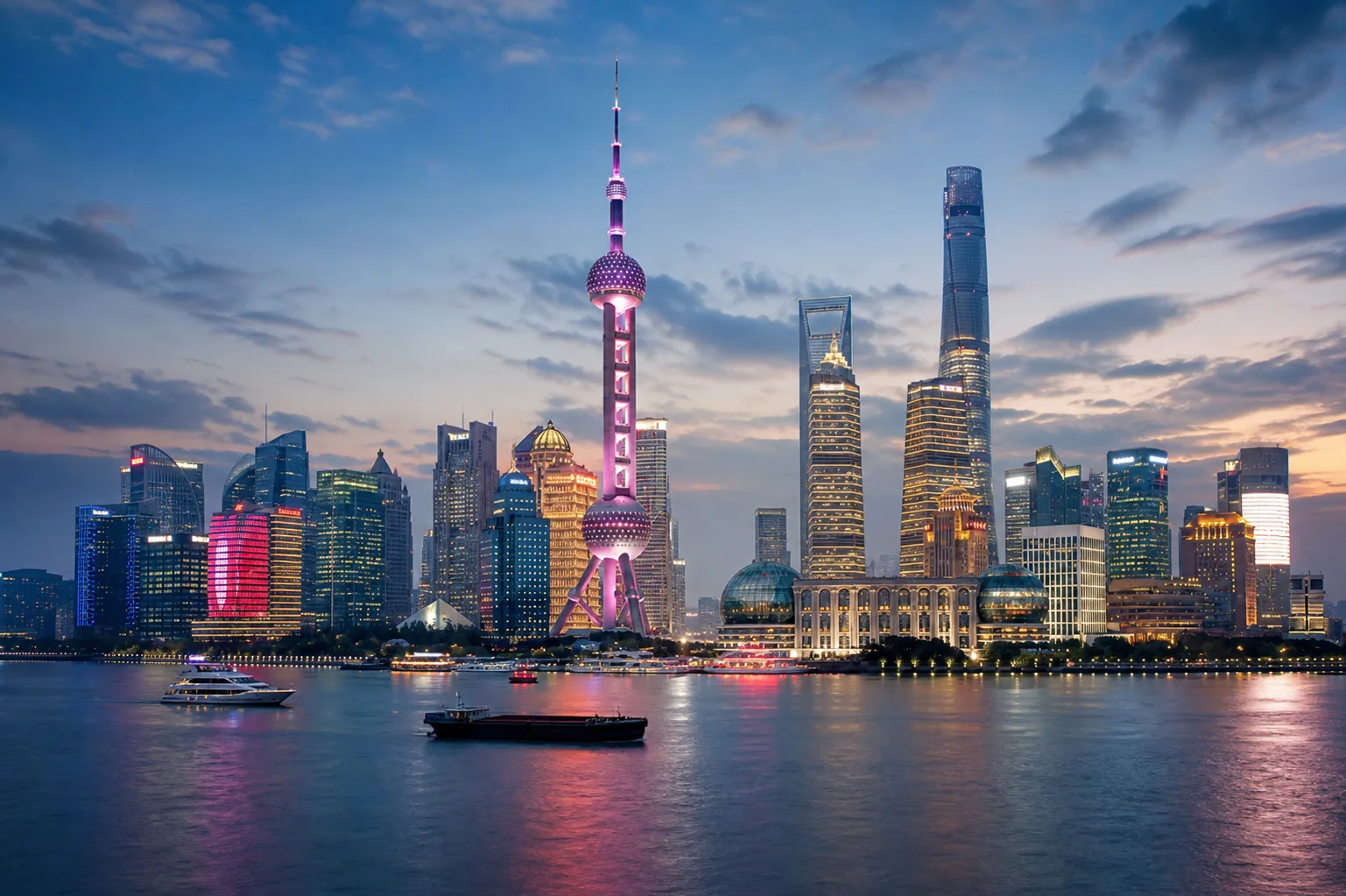
Modern, vibrant, and full of surprises.
Open city guide ->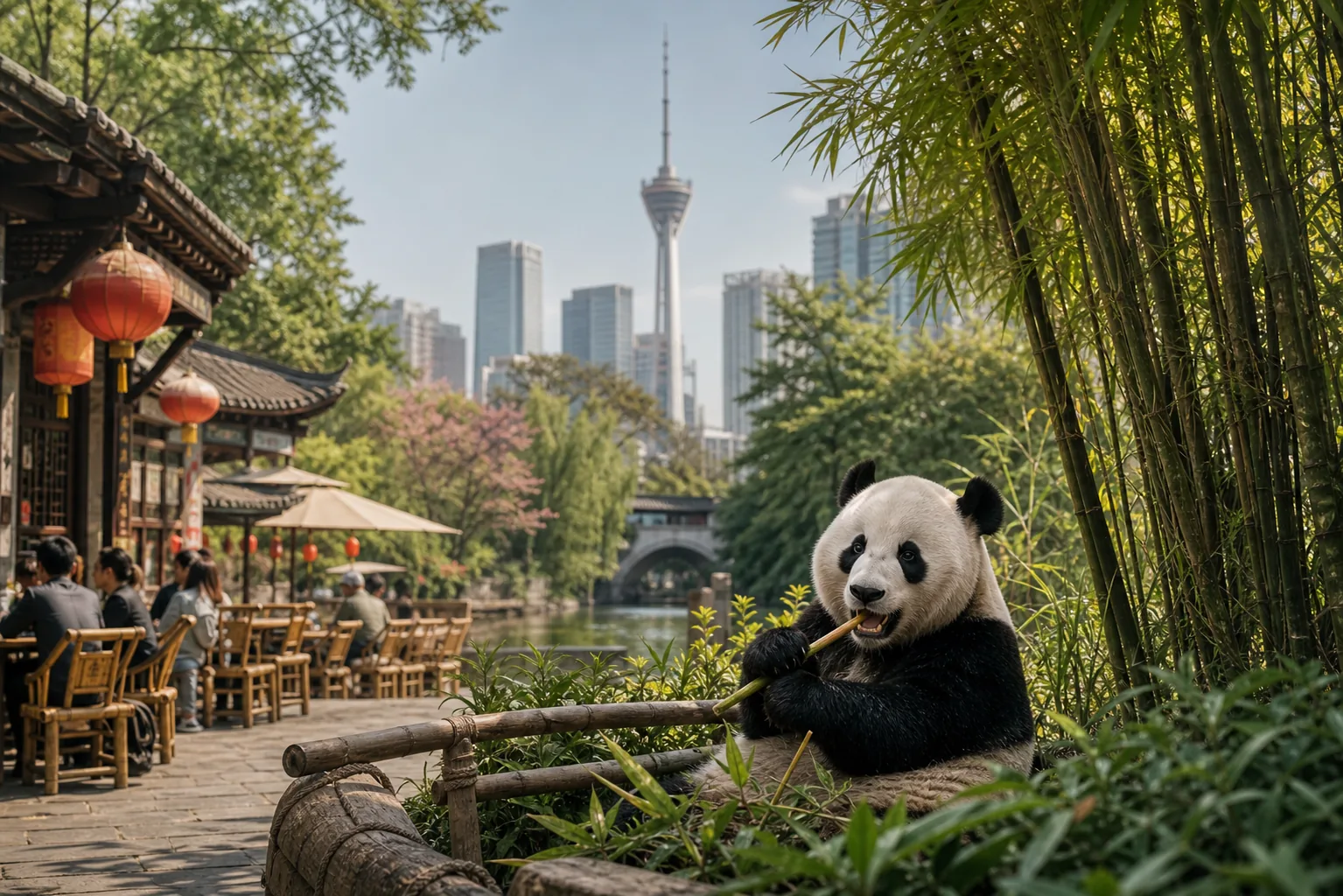
Relaxed, lovely, and famous for pandas.
Open city guide ->
Tibetan culture, sacred sites, and high-altitude planning.
Open city guide ->