01
Do not import your home tipping script
In mainland China, everyday restaurants, taxis, cafés, metros, delivery counters, and normal hotels usually do not expect a tip. Forcing a tip can create confusion rather than gratitude.
Everyday etiquette guide
China does not need a traveller to tip at every turn or memorise a ceremony for every interaction. The useful skill is reading the setting, keeping payment clear, using simple courtesy, and avoiding behaviour that creates embarrassment or blocks the flow.
Page map
01
In mainland China, everyday restaurants, taxis, cafés, metros, delivery counters, and normal hotels usually do not expect a tip. Forcing a tip can create confusion rather than gratitude.
02
Luxury hotels, private guides, foreign-tourist tours, special drivers, and high-touch customised service are the places where gratuity can make more sense. Casual local service is different.
03
Most awkward moments are solved by a calm tone, a simple thank-you, patient queueing, written addresses, and watching how the venue handles ordering, seating, payment, and exits.
04
The practical rule is simple: do not embarrass people, block movement, argue over tiny details, photograph strangers without permission, or turn a small misunderstanding into a public scene.
Tipping matrix
The practical default in mainland China is no routine tipping. The exceptions are usually tourist-facing, high-touch, or customised services where the person has gone beyond a standard transaction.
Usually no tip
Pay the bill exactly through the restaurant’s normal flow. If there is a service charge, treat it as part of the bill rather than adding a Western-style percentage.
Usually no tip
Pay the meter or app fare. Rounding because of cash change is different from a formal tip; with app rides, use the app’s normal payment flow.
Sometimes accepted
For luggage help, concierge effort, or unusual assistance, a modest cash thank-you may be accepted in higher-end or international hotels, but do not insist if refused.
Often more acceptable
If a guide or private driver provides strong personalised service, a discreet gratuity can be appropriate. Check tour terms first so you do not duplicate an included service fee.
Varies by venue
Follow the posted price and payment flow. In a local shop, tipping may confuse the transaction; in luxury or tourist-facing venues, ask the desk if service charge is included.
Do not tip your host
Let the host manage the bill unless they clearly invite splitting. Show appreciation through thanks, a return invitation, or a small thoughtful gift later.
Everyday settings
Do: Join the visible line, move with the flow, and step aside before checking your phone or tickets.
Avoid: Blocking escalators, standing in doorways, stopping at ticket gates, or debating while people are trying to pass.
Do: Let people exit before boarding, keep bags close, offer priority space when obvious, and prepare tickets or QR codes before the gate.
Avoid: Holding doors, spreading luggage across seats, standing still on narrow routes, or expecting quiet-car behaviour everywhere.
Do: Wait to be seated when the venue controls seating, use shared serving utensils if provided, and ask before taking the last piece from a shared dish.
Avoid: Sticking chopsticks upright in rice, pointing with chopsticks, digging through shared plates, or turning the bill into a public argument.
Do: Lower your voice, follow photo signs, keep hats and clothing respectful, and give worshippers space.
Avoid: Touching statues, posing inside restricted areas, interrupting rituals, or treating sacred spaces like photo studios.
Do: Ask before photographing people closely, especially children, workers, monks, police, or private moments.
Avoid: Pointing a camera into someone’s face, photographing security-sensitive places, or blocking a path for a long shoot.
Do: Watch shoes, slippers, seating, food, and gift cues; when unsure, pause and follow the host.
Avoid: Assuming hotel rules apply in a home, opening private rooms, or refusing hospitality too sharply.
Dining flow
Look for a host stand, QR-order sign, ticket machine, counter, or self-seating behaviour. The first etiquette move is simply understanding the venue’s system.
Use photos, translated dish names, or short written notes. If the server is busy, point clearly and keep questions short rather than asking for a long explanation.
Many meals are communal. Take a modest first portion, use serving chopsticks if present, and avoid searching through the plate for the “best” piece.
If someone pours tea for you, a simple thank-you or light finger tap is enough. Do not overthink it; appreciation matters more than ceremony.
Restaurants may expect payment at the table, counter, QR code, or cashier. Watch other customers. If invited by a host, let them lead the bill etiquette.
Take your belongings, keep the exit clear, and do not leave cash on the table unless the venue clearly handles payment that way.
Bill etiquette
Best response: Pay through the normal restaurant flow and leave without a tip unless the venue has an obvious tip jar or international service pattern.
Why: A solo traveller does not need to create a special transaction when the local process is already complete.
Best response: Expect some bill negotiation. Offer once or twice if appropriate, but do not turn generosity into a wrestling match.
Why: Paying can express hospitality. The polite move is to respect the social meaning, not force a strict split because it feels familiar.
Best response: Let the host or senior person lead seating, ordering, toasting, and payment unless you have been assigned a role.
Why: Hierarchy and face matter more in formal settings. Moving too fast can accidentally undercut the host.
Best response: Tip discreetly at the end if service was genuinely helpful and the tour arrangement makes tipping appropriate.
Why: This is one of the clearer tourist-service contexts where a gratuity can be understood as appreciation.
Best response: Smile, say thank you, and stop offering. Do not push the cash back again and again.
Why: Refusal may be policy, discomfort, or normal practice. Insisting can embarrass the person you are trying to thank.
Polite phrases
谢谢
xiè xie
Thank you. The most useful etiquette phrase; say it calmly and often.
不好意思
bù hǎo yì si
Excuse me / sorry. Useful when passing, interrupting, or correcting a small mistake.
麻烦您
má fan nín
Sorry to trouble you. A polite softener before asking staff for help.
请问
qǐng wèn
May I ask? Good before a short question to staff or strangers.
可以吗?
kě yǐ ma?
Is this okay? Useful for seats, photos, bags, tickets, or small uncertainties.
不用找了
bú yòng zhǎo le
No need for change. Use carefully with cash only when you truly mean to leave the difference.
Public comfort
China is not one etiquette zone. Big stations, markets, family restaurants, and quiet temples have different sound levels. Match the room rather than expecting one national volume.
Dense cities and transport hubs can feel closer than some travellers expect. Keep your own movement predictable and avoid turning normal crowding into conflict.
A brief answer can be practical rather than rude. Staff may prioritise speed and accuracy over small talk, especially in queues.
Rules and enforcement vary by venue. If smoke bothers you, choose non-smoking areas, malls, newer hotels, or move seats rather than starting a confrontation.
Carry tissues and sanitiser, do not block stalls while preparing bags, and follow local disposal signs where posted.
Offer space when obvious, keep patience in family-heavy areas, and remember that elders may be given first seating or serving priority.
Visits and formal moments
Bring a small gift if invited, watch whether shoes come off, wait for seating cues, and do not refuse food or tea too sharply. A warm thank-you matters.
Avoid gifts strongly associated with funerals, separation, or unlucky symbolism. When unsure, packaged local food from your home region is safer than symbolic objects.
Give and receive cards with two hands, glance at the card before putting it away, and avoid writing on it in front of the person unless appropriate.
Formal meals may involve repeated toasts. If you do not drink, explain early and use tea or water consistently rather than improvising every round.

Backup stack
Etiquette is not about never making a mistake. It is about keeping small moments easy to recover from.
No routine tipping, service charge checked, tourist-service exceptions handled discreetly, and refusal accepted without pressure.
Shared dishes, chopstick basics, bill etiquette, tea thanks, host cues, and QR or counter payment flow understood before the meal gets awkward.
Queue patience, station flow, photo permission, temple respect, personal-space flexibility, and predictable movement in crowds.
Simple apology, quick thank-you, stepping aside, letting the host lead, and moving on before a small mistake becomes the whole memory.
Troubleshooting
Do not tip by default. Check whether a service charge is listed, whether the venue is tourist-facing, and whether the person performed special discretionary help.
Accept the refusal gracefully. A sincere thank-you, positive review, or message to the manager may be more useful than forcing cash.
Smile, apologise briefly, and move on. Most small etiquette mistakes are forgiven faster than a long defensive explanation.
Look for the real flow: ticket machine, QR order, staff call, numbered receipt, or side pickup area. Do not assume the visible line is the whole system.
Say yes only if you are comfortable. If not, smile and say no politely; you do not owe strangers your time or image.
Offer once or twice if appropriate, then accept. You can reciprocate later with coffee, dessert, a small gift, or the next meal.
Traveller matches
Keep etiquette simple: no routine tipping, use thank-you often, follow venue flow, and avoid dramatic corrections of local behaviour.
Prepare children for shared dishes, crowded stations, quiet temples, toilet routines, and waiting their turn at gates and lifts.
Be punctual, handle cards respectfully, let hosts lead meals, avoid sensitive politics, and treat bill etiquette as relationship management.
Learn the dining flow: shared plates, serving utensils, tea, QR menus, counter payment, and when the host controls ordering.
Polite directness is enough. You do not need to over-apologise; short phrases, calm body language, and clear payment habits carry most interactions.
Keep planning
Pick one connected topic and finish the practical setup before adding more places to the itinerary.
Browse all guides ->Important disclaimer
This guide is for general trip-planning information, not legal, medical, financial, or immigration advice. Rules, availability, and provider policies can change—verify time-sensitive details with the relevant official source before you travel or book.
Content confidence
Tipping & Everyday Etiquette has been reviewed for practical visitor use, internal links, route relevance, and clear action steps.
Rules for entry, payment products, bookings, transport, and attractions can change. Verify official or provider sources before relying on time-sensitive details.
Check official sources before booking time-sensitive items.
Plan with cities
Use these city guides to turn the topic into a route, hotel choice, transfer day, or first-stop decision.
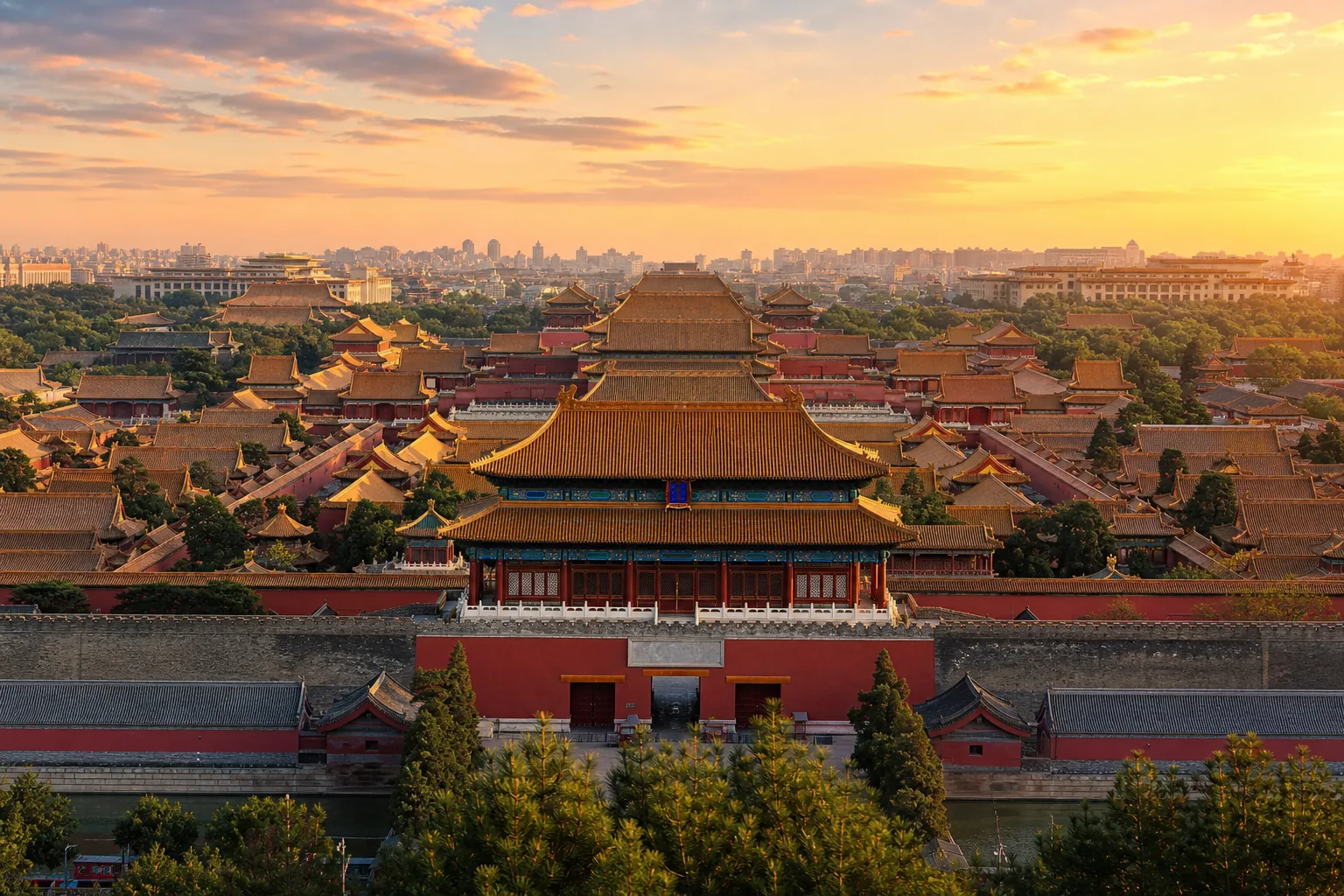
History, culture, and iconic landmarks.
Open city guide ->
Modern, vibrant, and full of surprises.
Open city guide ->
Relaxed, lovely, and famous for pandas.
Open city guide ->
Cantonese food, riverfront lights, and trade-city energy.
Open city guide ->