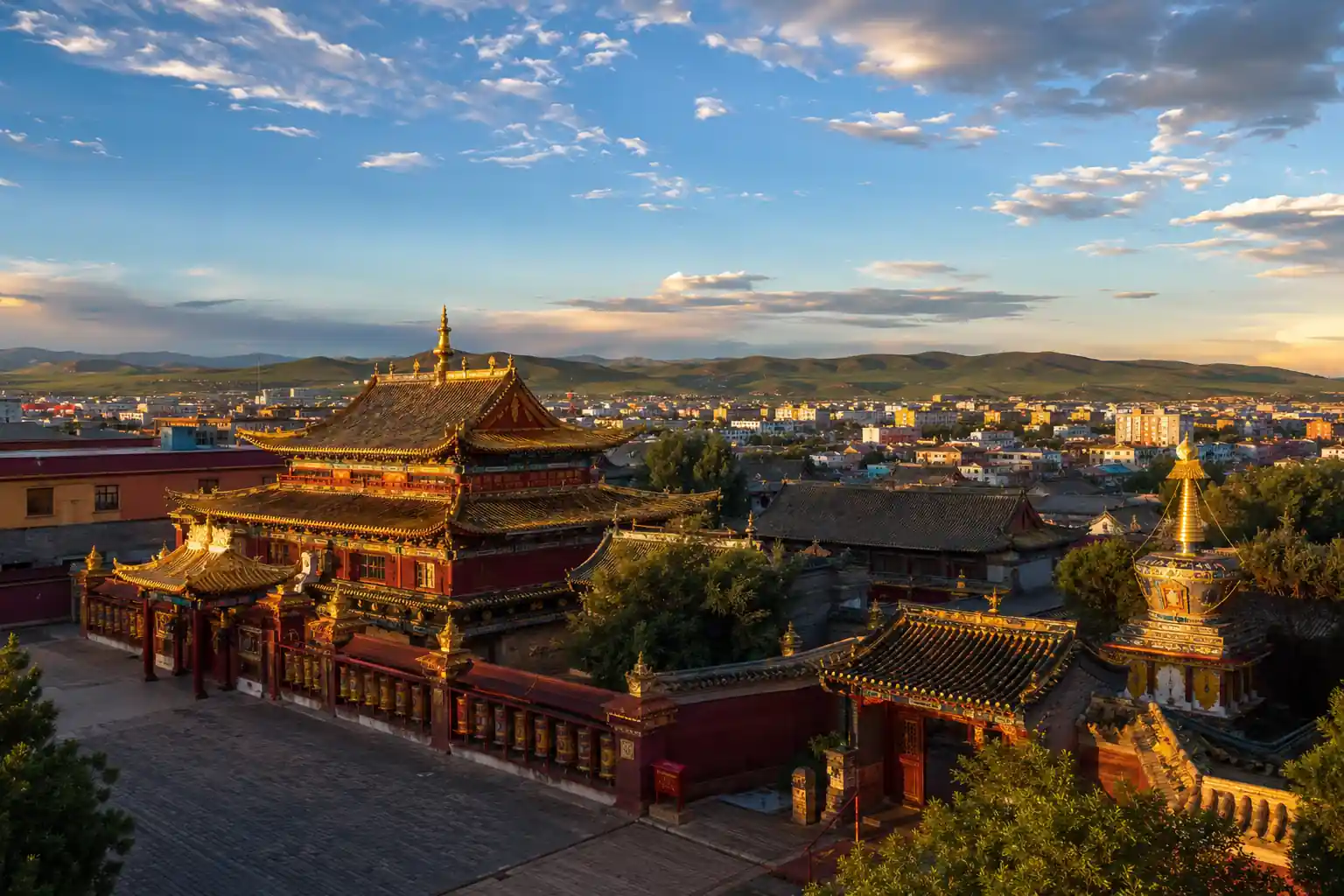
Hohhot introduces Inner Mongolia through temples, museums, dairy food, and access to grassland experiences outside the city.
Suggested stay
2-3 days
Travel style
Grassland Gateway
Best for
Grasslands, museums, Inner Mongolia routes
Content confidence
Reviewed for practical travel use
Hohhot city overview, suggested stay, highlights, transport notes, nearby trips, and connected planning guides have been reviewed for practical trip planning.
Use this city page as a planning framework. Confirm current opening hours, ticket windows, transport schedules, and local rules before booking.
Check official sources before booking time-sensitive items.
Planning overview
How to Plan Hohhot
Hohhot works best as a short Inner Mongolia gateway rather than a checklist city. Come for Tibetan Buddhist temples, one strong regional museum, halal and dairy-heavy food, and an easy first look at Mongolian culture without committing to a long overland route. Plan one day around the old temple quarter, one day around the museum and newer districts, and keep a third day for Zhaojun Tomb, a grassland outing, or onward rail travel.
Late spring to early autumn is the easiest period, with May, June, and September usually giving the best balance of dry weather and comfortable temperatures. July and August are warmer and greener but also bring the city's wettest weeks. Winter is cold, dry, and windy, which is workable for museums and short temple visits but less pleasant for long outdoor days.
Stay near Xinhua Square, central Saihan, or Hohhot East if you want the easiest mix of metro, rail, and modern hotels.
Group the old-city sights together: Dazhao, Xilitu Zhao, the Great Mosque, and nearby food streets fit one compact half-day or day.
Use the metro for airport and station transfers, but expect to switch to taxi or ride-hailing for temple lanes, Zhaojun Tomb, and most grassland departures.
Treat grassland products carefully before booking: decide whether you want a simple day trip, a staged camp experience, or a real overnight outside the city.
Start with the city itself: Hohhot is more about combining districts and day trips than chasing one landmark skyline.
Suggested routes
Itineraries for Hohhot
The museum gives visitors the fastest practical introduction to the region before heading out to temples or grassland routes.
Wikimedia Commons
1 day
Old city and museum sampler
Best for a stopover or a transit day when you want one historic block and one regional context stop.
1Dazhao Temple and Xilitu Zhao in the morning
2Halal lunch or local dumplings in the old quarter
3Inner Mongolia Museum in the afternoon
4Evening around Xinhua Square or central Saihan
2 days
First proper Hohhot stay
Enough time to cover the city itself without forcing a grassland trip into the same schedule.
2Day 2: Inner Mongolia Museum, Five Pagoda Temple, and a slower evening in central Saihan or Xinhua Square
3Add Zhaojun Tomb if you have a car, taxi budget, or a light museum day
3-4 days
City plus steppe or rail extension
Use the extra time for one excursion rather than padding the urban core with too many small stops.
1Day 1: Old city temple quarter and Huimin food streets
2Day 2: Inner Mongolia Museum, Five Pagoda Temple, and central Hohhot neighborhoods
3Day 3: Zhaojun Tomb or an organized grassland outing such as Xilamuren
4Day 4: Continue by train to Baotou or Datong if weather and rail timing are favorable
Neighborhoods
Best Areas to Explore
Old city temple quarter
The strongest walking area for first-time visitors, centered on Dazhao and the lanes around Yuquan District. This is where Hohhot feels oldest, with Tibetan Buddhist institutions, older streets, and a more layered mix of Mongolian and Hui influences than the newer parts of town.
Dazhao TempleXilitu ZhaoTongdao South Road lanes
Huimin mosque and halal food area
North and west of the temple quarter, Huimin District shows another side of the city through long-established Hui communities, mosques, bakeries, noodle shops, and practical local dining. It is less about monuments in isolation and more about pairing architecture with meals.
Great Mosque of HohhotHalal restaurantsOlder commercial streets
Xinhua Square and central transport core
This is the practical center for transfers, shopping, and short stays, with metro interchange access and easier connections to the rest of the city. If your schedule is tight, this area helps you keep temple visits, museum time, and rail departures in one manageable plan.
Xinhua SquareMetro interchangeCentral hotels and malls
Saihan museum axis and southern excursion corridor
East and south of the old core, Saihan District gives you the Inner Mongolia Museum, broader avenues, newer business districts, and the outward route toward Zhaojun Tomb and airport-side transport. It is the best base if you want a more modern hotel area or easy airport access.
Inner Mongolia MuseumSaihan District avenuesRoute toward Zhaojun Tomb
What to see
Top Sights
Dazhao Temple
Founded in 1579, Dazhao is the city's oldest major monastery and the clearest architectural link to Altan Khan's era. For most visitors it is the essential Hohhot sight because it explains the city's Tibetan Buddhist legacy better than any general introduction can.
Visit early, then walk directly across or nearby to Xilitu Zhao and the surrounding lanes while the quarter is still relatively calm.
Xilitu Zhao
Established in 1585 and known as the largest Buddhist temple in the city, Xilitu Zhao works best as a companion visit to Dazhao rather than a separate long journey. Together the two temples show why Hohhot matters as a religious center in Inner Mongolia.
Do it on the same outing as Dazhao; separating them into different days usually adds transport friction without improving the experience.
Inner Mongolia Museum
The museum is the most efficient way to place Hohhot in regional context, with exhibitions covering natural history, steppe cultures, archaeology, and modern Inner Mongolia. It is especially useful early in a trip if you are continuing on to grasslands or other cities in the region.
Use it on a weather-proof afternoon, and do not skip it just because some captions are limited; the overall context is still valuable.
Five Pagoda Temple
Built between 1727 and 1732, this compact Tibetan Buddhist site is notable for its five pagodas, dense carved Buddha images, and a rare Mongolian cosmological map on the exterior. It is smaller than Dazhao, but more distinctive in form and easier to appreciate if you like architectural detail.
Pair it with the museum or central Hohhot rather than with a rushed old-city temple circuit, so it does not get lost in temple fatigue.
Zhaojun Tomb
About 9 km south of Hohhot, this honorary tomb is tied to Wang Zhaojun and the long cultural memory of frontier diplomacy between Han China and the steppe. It is more about symbolism, open space, and historical associations than about dense architecture.
Go only if you have half a day and an interest in historical context; it is better as an extension than as a substitute for the city's core temple sights.
Getting around
Transport Notes
Arriving by air
Hohhot Baita International Airport is the city's main airport and sits in Saihan District on the east side of the urban area. Metro Line 1 reaches Bayan (Airport) station, which makes airport transfers easier than in many inland cities, though taxis remain simpler if you arrive late or carry luggage.
Arriving by train
Hohhot has two main rail stations: Hohhot and the newer Hohhot East. Hohhot East is the more convenient high-speed rail hub for many travelers, with fast links that make Beijing about 2.5 hours away and Baotou about 1 hour away.
Getting around
The metro currently has two lines, one running east-west and one north-south, with a useful interchange at Xinhua Square. It covers the airport and both main rail stations well, but several older temple lanes and southern excursion points still work better by taxi plus walking.
Taxis and ride-hailing
Taxis are common and ride-hailing is helpful for temple hops, Zhaojun Tomb, and awkward station-to-hotel transfers. Keep destination names in Chinese on your phone, especially for religious sites with several English spellings.
Food
What to Eat
Lean into lamb, dairy, and northern staples
Hohhot is often described as China's "Dairy Capital," so local eating naturally leans toward milk tea, yogurt, and other dairy-heavy snacks alongside mutton-focused meals. Look for lamb hot pot, grilled or stewed mutton, and steamed dumplings or shaomai-style breakfasts when you want something more specific than generic northern Chinese food.
Use Hui halal streets for practical meals
Because Hohhot has a large Hui Muslim population, halal restaurants are a real strength rather than a niche option. The areas around Tongdao South Road and Huimin District are useful when you want hand-pulled noodles, flatbreads, skewers, and easy local dinners close to the old city.
Keep one meal simple and local
Hohhot is not a city where you need to chase one famous restaurant across town. A good food day often means a straightforward breakfast, a halal lunch near the temple quarter, and a dairy drink or yogurt break later in the day before returning to central Saihan or Xinhua Square for dinner.
Go next
Easy Trips from Hohhot
Baotou
The easiest rail extension west of Hohhot, commonly reached in about 1 hour by train, and useful if you want a larger industrial city base or onward access toward Ordos and the grasslands.
Datong
A strong history-heavy move south, with high-speed rail taking about 2.5 hours and making it realistic as an overnight pairing for grottoes, temples, and northern frontier history.
Xilamuren Grassland
The classic grassland add-on from Hohhot, usually done as a managed road trip or overnight camp rather than independent sightseeing, and best chosen if you specifically want steppe scenery and performance-style experiences.
Keep planning
Useful next pages for Hohhot
Connect this city page with the practical setup decisions most likely to affect arrival, tickets, transport, and daily movement.