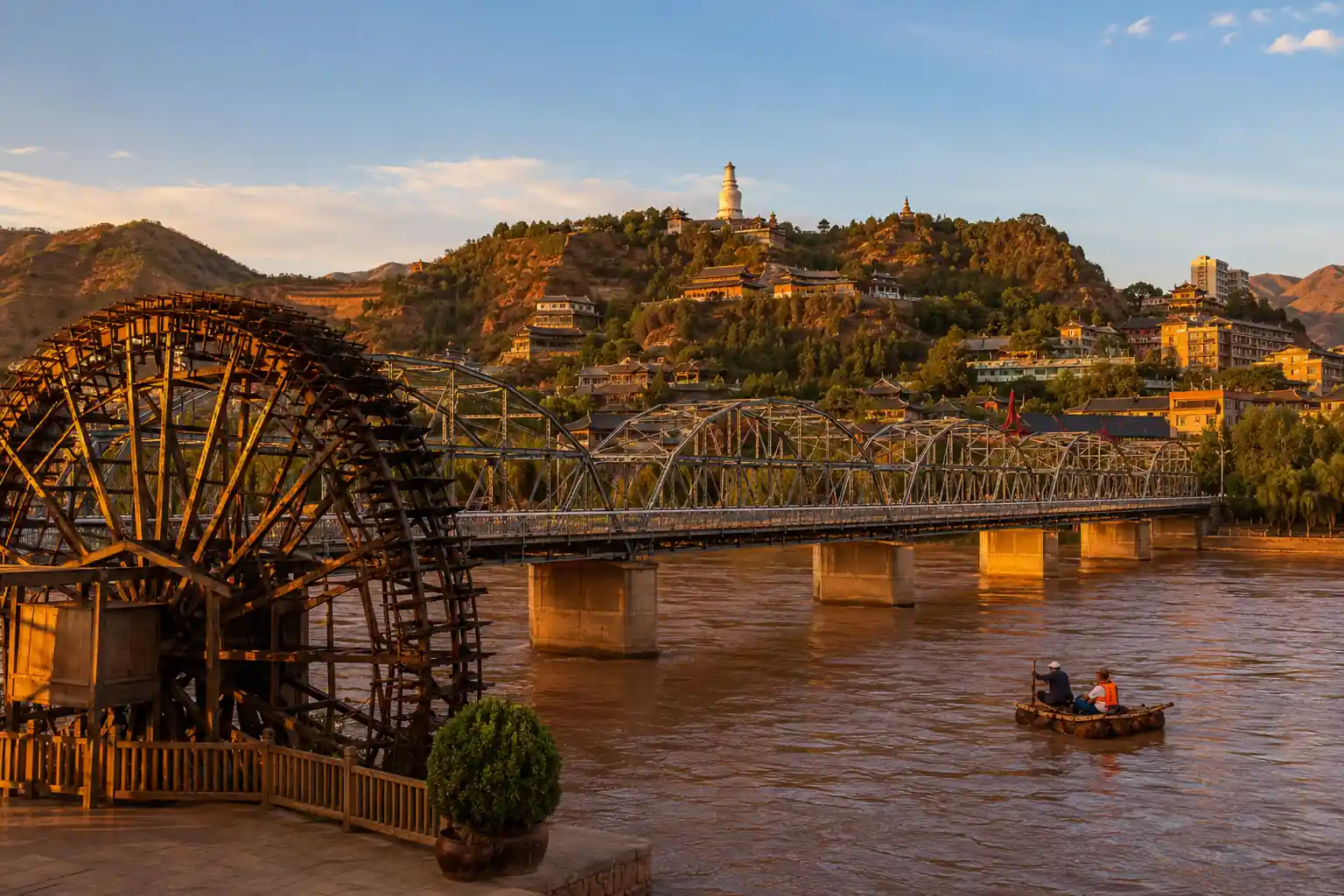
Lanzhou is a practical Gansu gateway known for Yellow River walks, beef noodles, and onward routes toward Xiahe, Zhangye, or Dunhuang.
Suggested stay
1-2 days
Travel style
Gateway
Best for
Gansu routes, noodles, river walks
Content confidence
Reviewed for practical travel use
Lanzhou city overview, suggested stay, highlights, transport notes, nearby trips, and connected planning guides have been reviewed for practical trip planning.
Use this city page as a planning framework. Confirm current opening hours, ticket windows, transport schedules, and local rules before booking.
Check official sources before booking time-sensitive items.
Planning overview
How to Plan Lanzhou
Lanzhou works best as a compact Yellow River city rather than a box-ticking stopover. It suits travelers moving through Gansu, people curious about Silk Road history, and anyone happy with river walks, practical museums, and strong everyday food. Plan it around the river corridor: one half-day for the bridge and Baita Mountain, one for the museum and older central districts, then decide whether to stay another day or continue toward Xiahe, Xining, or deeper Hexi Corridor routes.
Yellow River Mother SculptureZhongshan BridgeGansu Museum
Best suited for
Gansu route stopovers
Silk Road history
Riverfront city walks
Noodle-focused food trips
Best time to visit
Spring and autumn are the easiest seasons for Lanzhou, with clearer air, manageable temperatures, and better conditions for river walks and hill viewpoints. Summer is warm and the wettest period, especially in July and August, while winter is cold and dry but still workable if you focus on food, museums, and short outdoor stops.
Stay around Chengguan, Xiguan, or Dongfanghong Square if you want the easiest access to the riverfront, markets, and Metro Line 1.
Keep one late afternoon or evening for Zhongshan Bridge and Baita Mountain, when the river corridor looks better and the heat drops.
Use the metro for the main east-west spine, but expect to mix in buses or taxis for riverbank sights and older districts.
Verify same-day access for the museum, cable car, and any pagoda or temple interiors before building a tight schedule around them.
Start with the river corridor: it explains why Lanzhou is best planned as a linear city of bridges, hills, and food stops.
Suggested routes
Itineraries for Lanzhou
Zhongshan Bridge is the city's clearest historical landmark and the simplest anchor for a first evening.
Wikimedia Commons
1 day
Bridge, hill, and noodles
Best for a transfer day or a short Gansu stop, keeping the plan close to the river and the city's strongest viewpoint.
1Start with Gansu Provincial Museum or a relaxed central breakfast depending on arrival time
2Walk Zhongshan Bridge and the central Yellow River riverfront in the afternoon
3Climb or cable-car toward Baita Mountain for the city view
4Finish with Lanzhou beef noodles or night market snacks in Chengguan
2 days
The practical first visit
Enough time to cover Lanzhou's main riverfront, one serious museum stop, and a slower food-focused evening.
1Day 1: Zhongshan Bridge, Baita Mountain, and the central riverfront after dark
2Day 2: Gansu Provincial Museum, downtown streets around Xiguan or Dongfanghong Square, then a market or neighborhood dinner
3Add Waterwheel Expo Garden if you want one more riverbank walk without much planning
3-4 days
Lanzhou plus a regional extension
Use the extra time for one nearby Gansu or Qinghai-facing trip instead of overfilling the city itself.
1Day 1: Central riverfront, Zhongshan Bridge, and Baita Mountain
2Day 2: Gansu Provincial Museum, Chengguan food stops, and an evening market
3Day 3: Side trip toward Xiahe, Liujiaxia, or Xining depending on your onward route
4Day 4: Buffer time for the return, extra food stops, or a final river walk before departure
Neighborhoods
Best Areas to Explore
Zhongshan Bridge and the central riverfront
This is the classic first-time Lanzhou stretch: the Yellow River, the old iron bridge, river promenades, and some of the city's easiest orientation. Come here late in the day, then decide whether to stay by the water or cross toward Baita Mountain.
Zhongshan BridgeYellow River promenadesRiverfront night views
Baita Mountain and the north bank
Directly across from Zhongshan Bridge, this hillside park gives Lanzhou its most useful overview. The climb is manageable for most travelers, and the reward is less the pagoda itself than the view back over the river, bridge, and long city basin.
Baita Mountain ParkWhite PagodaYellow River cable car area
Chengguan downtown
For most visitors, this is the practical base rather than a sightseeing district in the grand sense. It bundles major metro access, older commercial streets, hotels, local restaurants, and the easiest path to night markets without long transfers.
Xiguan areaDongfanghong SquareZhengning Road night market
Qilihe and the western museum corridor
West of the central bridge area, this side of Lanzhou works well for travelers who want a more local rhythm and one of the city's strongest cultural stops. It is the easiest area to pair Gansu Provincial Museum with food and a slower riverbank walk.
Gansu Provincial MuseumWest-side riverbank walksLocal noodle and halal restaurants
What to see
Top Sights
Zhongshan Bridge
Opened in 1909, this steel bridge is Lanzhou's best-known landmark and one of the city's clearest reminders of its role as a Yellow River crossing and transport hub. It is less about spending a long time on the structure itself and more about how well it links the central riverfront with Baita Mountain.
Come in late afternoon or after dark, when you can combine the bridge with river views and the climb toward Baita Mountain.
Baita Mountain Park
The park on the north bank, crowned by the White Pagoda, gives Lanzhou its most useful panorama. It is the place where the city's narrow valley setting, the Yellow River channel, and the old bridge all make sense at once.
Enter near Zhongshan Bridge if you want the simplest route, and check current same-day access for the pagoda and cable car before you go.
Gansu Provincial Museum
This is the most worthwhile indoor stop in Lanzhou, especially if you want context for Silk Road travel through Gansu rather than only local city history. The collection is strongest when read as a regional museum that connects Lanzhou to wider northwest routes and trade networks.
Use it on your arrival day or in poor weather, and leave enough time to read the regional exhibits instead of rushing for one highlight.
Yellow River riverfront
The riverbanks are not a single ticketed attraction, but they are central to how Lanzhou feels. Promenades, bridges, public spaces, and evening strolling make the river the city's most consistent travel experience.
Treat it as a flexible block between other stops rather than a separate expedition, especially near sunset.
Waterwheel Expo Garden
This riverside park preserves Lanzhou's long association with traditional Yellow River waterwheels, which were used for irrigation long before modern pumping systems. It works best as a short, easy extension if you already want more time by the river.
Do not treat it as a half-day destination unless you are especially interested in irrigation history; it fits better as an add-on to other riverfront stops.
Getting around
Transport Notes
Arriving by air
Lanzhou Zhongchuan International Airport is about 75 km from the city center. Airport shuttle buses usually take a little over an hour, while the airport rail connection reaches Lanzhou Railway Station and some services also stop at Lanzhou West Station in about 50-55 minutes.
Arriving by train
Lanzhou West Railway Station is the main long-distance and high-speed rail hub. High-speed trains usually take about 1 hour 15 minutes to Xining and about 4 hours to Xi'an, while Lanzhou Railway Station still handles conventional trains and some high-speed services.
Getting around
The metro now gives Lanzhou a useful backbone rather than full coverage. Its two operating lines cover the main east-west corridor and central transfer points, but riverbank sights still often require walking or a bus connection.
Taxis and ride-hailing
Taxis and ride-hailing are helpful when you are crossing between riverbank stops, stations, and hotels without direct metro access. Keep destination names in Chinese and use them especially early or late, when piecing together bus routes is not worth the effort.
Food
What to Eat
Begin with Lanzhou beef noodles
Lanzhou is closely associated with Lanzhou beef noodle soup, the clear-broth hand-pulled noodle dish that is one of China's defining everyday meals. It is best treated as a repeatable local staple rather than a one-off checklist item: try it for breakfast or lunch, compare noodle thickness, and notice how much the bowl depends on broth clarity, chili oil, radish, herbs, and the halal kitchen tradition behind it.
Use markets and central streets well
Chengguan is the simplest place to eat without overplanning, especially around Xiguan, Dongfanghong Square, and Zhengning Road. These areas make it easy to combine noodles, skewers, breads, sweets, and smaller halal snacks in one evening rather than crossing the city for a single restaurant.
Expect a strong northwest and halal influence
Lanzhou food is shaped less by banquet dining and more by practical northwest staples: beef, lamb, wheat-based noodles and breads, and straightforward seasoning built for daily eating. That makes the city especially good for travelers who prefer repeated simple meals with local character over formal destination restaurants.
Go next
Easy Trips from Lanzhou
Xiahe
A strong longer day trip or overnight for Tibetan Buddhist atmosphere and monastery culture; buses from the South Long-Distance Bus Station usually take about 6 hours.
Liujiaxia
An easy westbound extension from Lanzhou when you want reservoir scenery or a step toward further Gansu excursions; buses from the West Long-Distance Bus Station usually take about 2 hours.
Xining
The simplest big-city extension if you are continuing toward Qinghai, with high-speed trains from Lanzhou West to Xining taking about 1 hour 15 minutes.
Keep planning
Useful next pages for Lanzhou
Connect this city page with the practical setup decisions most likely to affect arrival, tickets, transport, and daily movement.