01
Check the official holiday pattern early
China holidays are not just the festival date. Adjacent weekends may become workdays to create a longer break, so the real travel rush can start before the calendar label.
Peak-season planning guide
China’s holiday calendar can turn a normal itinerary into a transport, hotel, and ticket puzzle. The fix is not panic; it is knowing which dates create pressure, booking the bottlenecks early, and keeping a quieter version of each day.

Page map
01
China holidays are not just the festival date. Adjacent weekends may become workdays to create a longer break, so the real travel rush can start before the calendar label.
02
During peak periods, the problem is often not whether a place is open; it is whether the train, flight, hotel, or good departure time still exists.
03
A first-time classic route, a food trip, a family route, and a nature trip should react differently to the same holiday dates.
04
A holiday-proof plan has an anchor, an early start, a nearby fallback, flexible meals, and permission to leave a headline sight for another trip.
Holiday pressure
The same crowd strategy does not work all year. Spring Festival is not National Day, and a short local holiday is not a nationwide tourism wave. Match the plan to the pressure.
Pressure: Family reunions, homebound travel, reopening schedules, some business closures, and heavy long-distance transport demand.
Move: Avoid unnecessary intercity moves near the main holiday if you can. If you cannot, book transport and first-night hotels as soon as your dates are firm.
Pressure: Short-break travel, cemetery traffic, spring outing demand, and crowding around parks, old towns, and nearby scenic areas.
Move: Use the holiday for a slower city base or a nearby neighbourhood day rather than a fragile mountain or cross-city sprint.
Pressure: One of the most travel-heavy spring windows, with popular city breaks, scenic areas, and family trips competing for the same transport.
Move: Book transport first, then hotels near the station or attraction area. Avoid assuming a cheaper late-night arrival will be easy.
Pressure: Short holidays that can still create strong regional travel demand, especially when they connect with weekends.
Move: Watch nearby weekend shifts and choose either an early first train or a local day that does not rely on one fragile ticket.
Pressure: The clearest nationwide tourism peak: transport, hotels, famous attractions, roads, restaurants, and viewpoints all feel the pressure.
Move: If travelling then, simplify the route, secure bottlenecks early, use second-tier bases, and avoid moving city on the busiest first and last days.
Pressure: Not always official public holidays, but family travel raises demand for museums, theme parks, panda bases, beaches, and scenic areas.
Move: Plan weekday mornings, reserve child-friendly anchors early, and keep afternoons flexible for heat, rain, or tired travellers.

Booking timeline
Check the public holiday announcement, weekend make-up days, school-break season, major local events, and whether your must-see attraction has a quota.
Book first and last hotel nights, long-distance train or flight candidates, and any passport-linked attraction that would define the trip.
Buy the exact intercity legs that would be painful to lose. During peaks, a good departure time matters almost as much as the route itself.
Confirm hotel addresses, station or airport transfer, ticket pickup or passport rules, attraction reservation windows, and restaurant backup areas.
Recheck opening notices, weather, crowd alerts, route entrances, station exits, and whether the next day needs an earlier start or a quieter substitute.
Crowd tactics
Avoid travelling out of major cities at the beginning of a long break and back into them at the end. If possible, arrive before the rush and stay put.
For famous sights, the calmest version is usually the first feasible entry plus a flexible afternoon. Late starts meet both queues and heat.
During Golden Week, a nearby city, quieter district, or less famous section of a route can be more enjoyable than fighting the headline spot.
Holiday crowds make meals harder too. Eat early, save backup restaurants, and do not place a timed attraction immediately after an uncertain lunch.
Crowded stations and hotel desks are not the moment for complicated luggage plans. Travel lighter, store bags early, and photograph receipts or tags.
If the day is built around one attraction, stay near the relevant metro line, station, or district so the crowd does not begin with a cross-city commute.
Route choices
Best for flexible travellers, families, elderly travellers, first-time visitors, and anyone who values comfort over festival atmosphere.
Shift by a few days before or after the break; the difference can be dramatic.
Best when travel dates are fixed but you can choose a city with enough neighbourhoods, museums, food, and easy day options.
Book a strong hotel location and reduce intercity transfers to zero during the peak.
Best for repeat visitors or flexible routes that can swap famous icons for smaller cities and local experiences.
Check that transport still works; smaller places can have fewer backup trains or rooms.
Best only when the attraction itself is the point and the group accepts queues, early starts, and higher prices.
Book everything that matters and cut the number of daily targets in half.
Peak-day flow
Choose one anchor, one nearby fallback, and one meal zone. Save all QR codes, passport notes, Chinese names, and transport screenshots offline.
Leave before the comfort instinct says to. Holiday queues punish late mornings more than they punish sleepiness.
Use the correct gate, carry the passport if reservations require it, and switch to staffed help quickly if a scan fails.
Expect slower food, toilets, taxis, and metro stations. Use the reset to decide whether the afternoon anchor still deserves the energy.
Leave before the last possible wave if you have a train, show, or long ride. Crowds turn small delays into missed connections.
Destination notes
Tiananmen-area sights, the Forbidden City, Great Wall routes, museums, and old-town lanes can all need early starts or reservations. Do not stack several hard entries in one day.
Shanghai itself absorbs crowds better than small water towns. Suzhou, Hangzhou, and canal towns can be lovely but packed on short breaks.
Terracotta Warriors, city wall, and Muslim Quarter concentrate visitors. Book the anchor and keep the evening flexible.
Panda bases, hotpot queues, night views, and station transfers need timing discipline. Food trips should reserve backup areas, not only famous restaurants.
Scenic shuttles, boats, cableways, and weather are the choke points. During holidays, avoid same-day arrival plus must-do scenery.
Old towns, mountain routes, and limited transport can feel crowded even when the map looks spacious. Stay longer in fewer bases.
Traveller matches
Avoid Spring Festival and National Day if possible. If dates are fixed, use a simpler classic route and book the most fragile pieces first.
Choose direct transport, central hotels, one anchor per day, early meals, and shorter queues. A calm afternoon is worth more than one extra famous stop.
Prices rise when everyone moves at once. Compare the cost of shifting dates, staying in a secondary district, or replacing flights with rail.
Holiday crowds can block viewpoints and slow scenic transport. Start earlier, choose less famous angles, and keep weather backup days.
Use holidays for neighbourhood wandering, but save restaurant alternatives. Famous places can turn into queue management instead of meals.

Backup stack
The goal is not to beat every crowd. The goal is to protect the few parts that matter, then keep enough flexibility to enjoy the day you actually get.
Official holiday dates, make-up workdays, school breaks, and local events checked before locking flights or hotels.
Transport, first-night hotel, limited attraction tickets, and high-demand stays secured before optional sightseeing.
Early starts, one anchor per day, quieter districts, backup meals, and realistic station or road timing.
Nearby fallback, simple route back to hotel, flexible evening, and permission to trade the headline sight for a better day.
Troubleshooting
Check nearby stations, earlier or later times, split routes, reverse route order, buses only when safe and sensible, or stay one more night instead of forcing the move.
Shift one district outward along a useful metro line, reduce hotel moves, or change the city order. A cheap far hotel can cost more in fatigue.
Move the attraction day, check official releases, use a nearby alternative, or replace the icon with a district walk rather than waiting all day.
Use metro or rail where possible, leave earlier, or turn the plan into a neighbourhood day. Ride-hailing cannot solve every holiday road.
Exit calmly, regroup at a quieter cafe, hotel, park, or mall, and downgrade the day. No sight is worth a bad crowd crush feeling.
Choose indoor but less famous options, move the main sight to another day, and keep transport back to the hotel simple.
Keep planning
Pick one connected topic and finish the practical setup before adding more places to the itinerary.
Browse all guides ->Important disclaimer
This guide is for general trip-planning information, not legal, medical, financial, or immigration advice. Rules, availability, and provider policies can change—verify time-sensitive details with the relevant official source before you travel or book.
Content confidence
China Holidays & Crowd Planning has been reviewed for practical visitor use, internal links, route relevance, and clear action steps.
Rules for entry, payment products, bookings, transport, and attractions can change. Verify official or provider sources before relying on time-sensitive details.
Check official sources before booking time-sensitive items.
Plan with cities
Use these city guides to turn the topic into a route, hotel choice, transfer day, or first-stop decision.
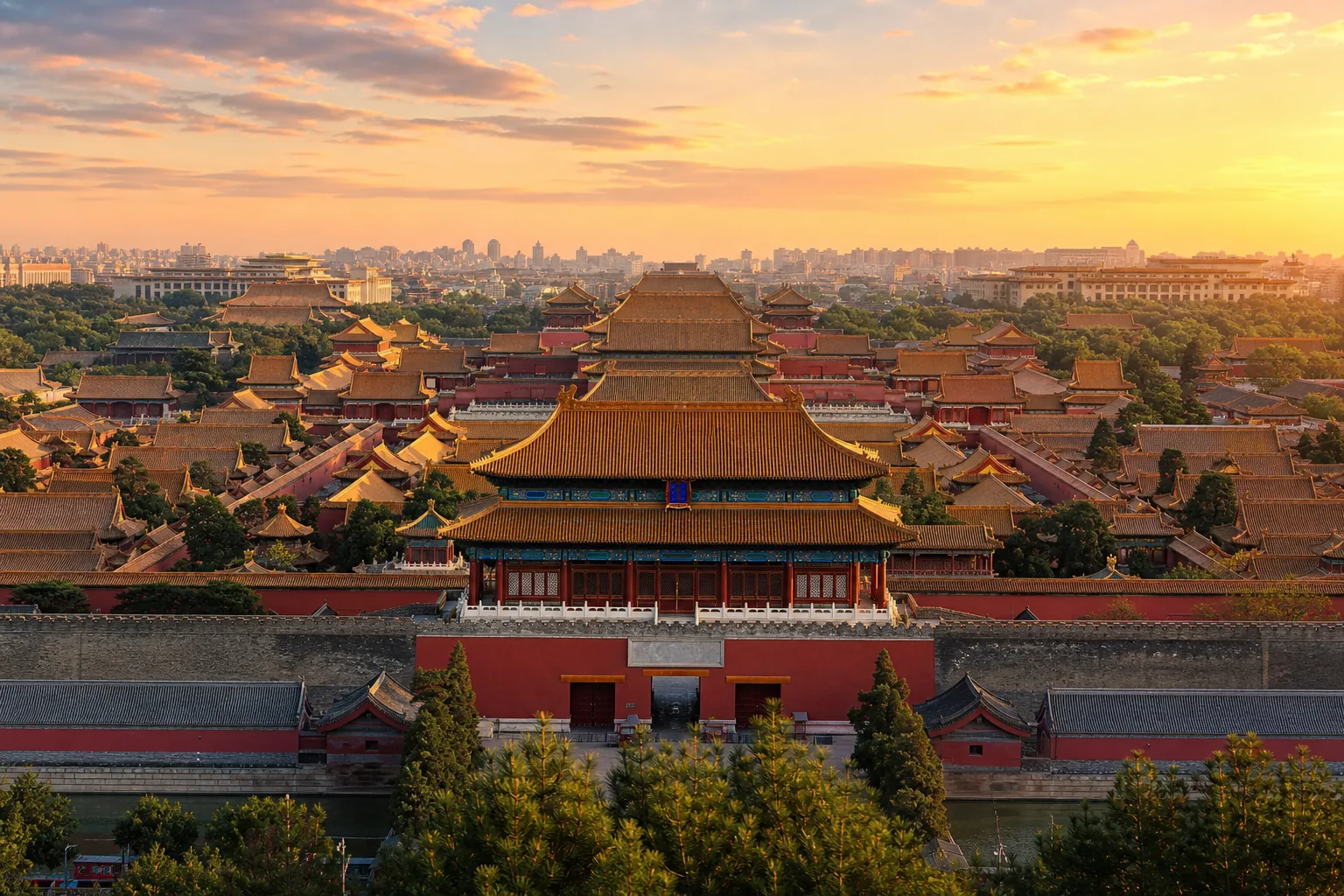
History, culture, and iconic landmarks.
Open city guide ->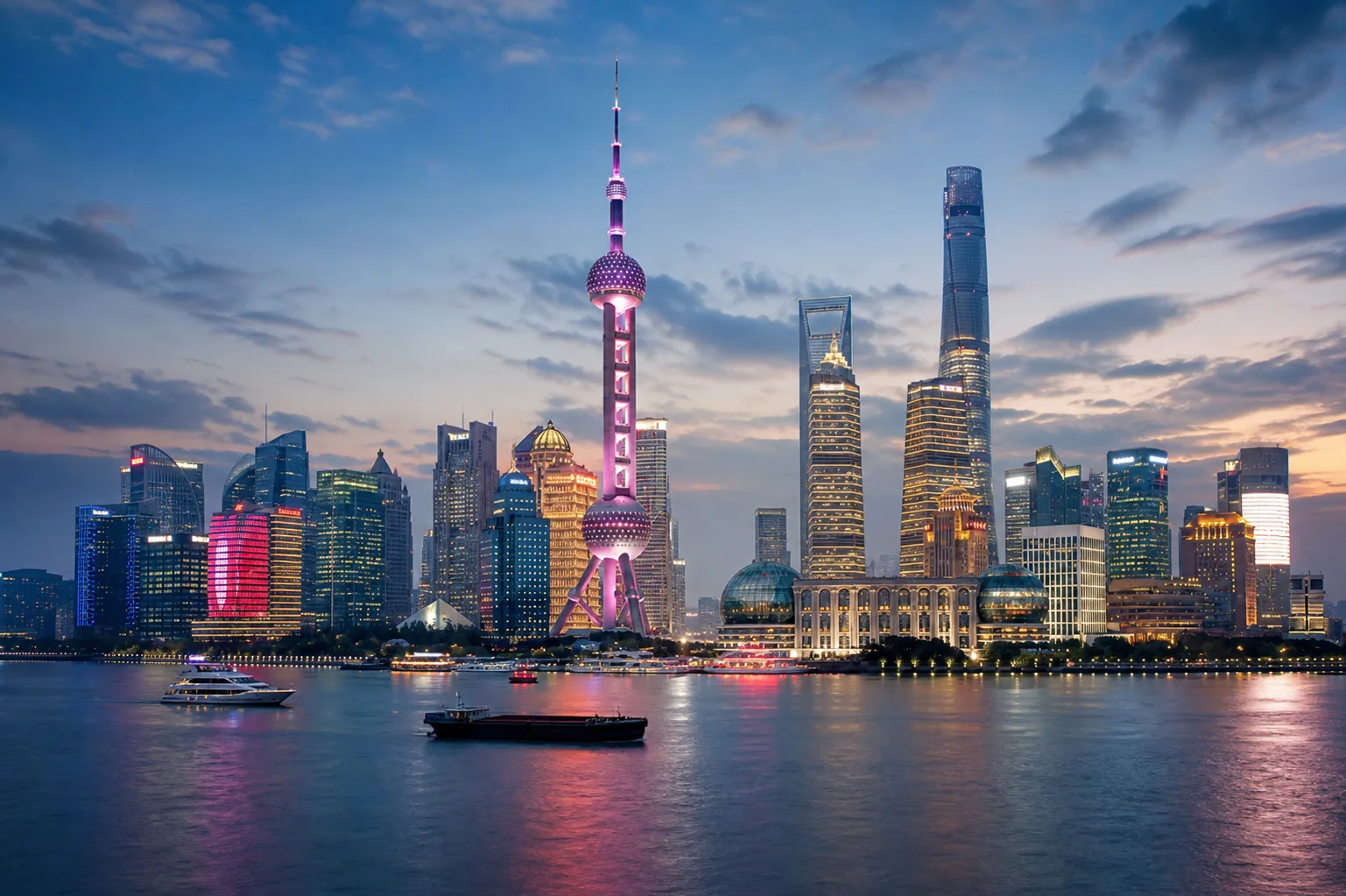
Modern, vibrant, and full of surprises.
Open city guide ->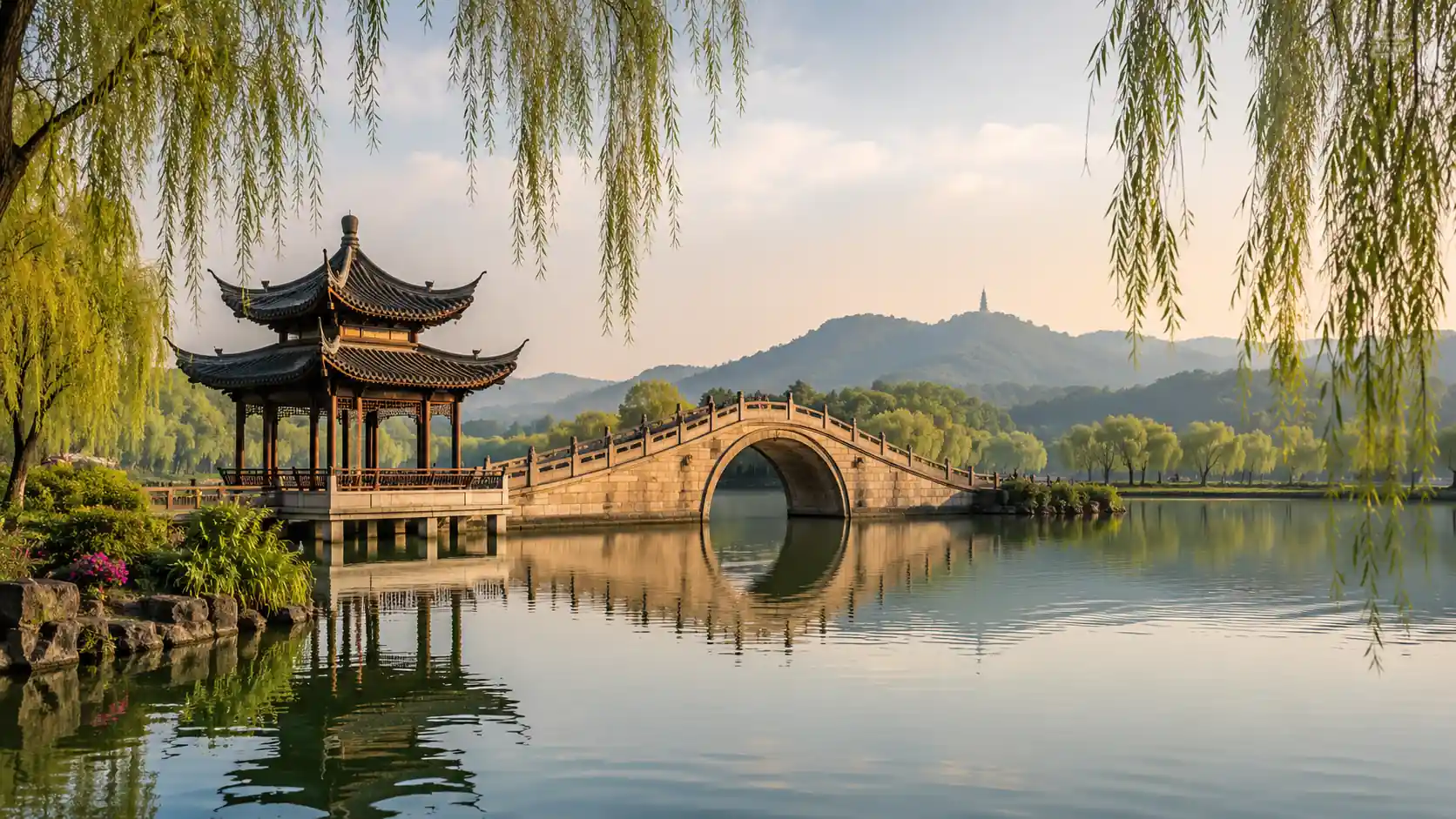
Lakeside scenery, tea culture, and graceful city life.
Open city guide ->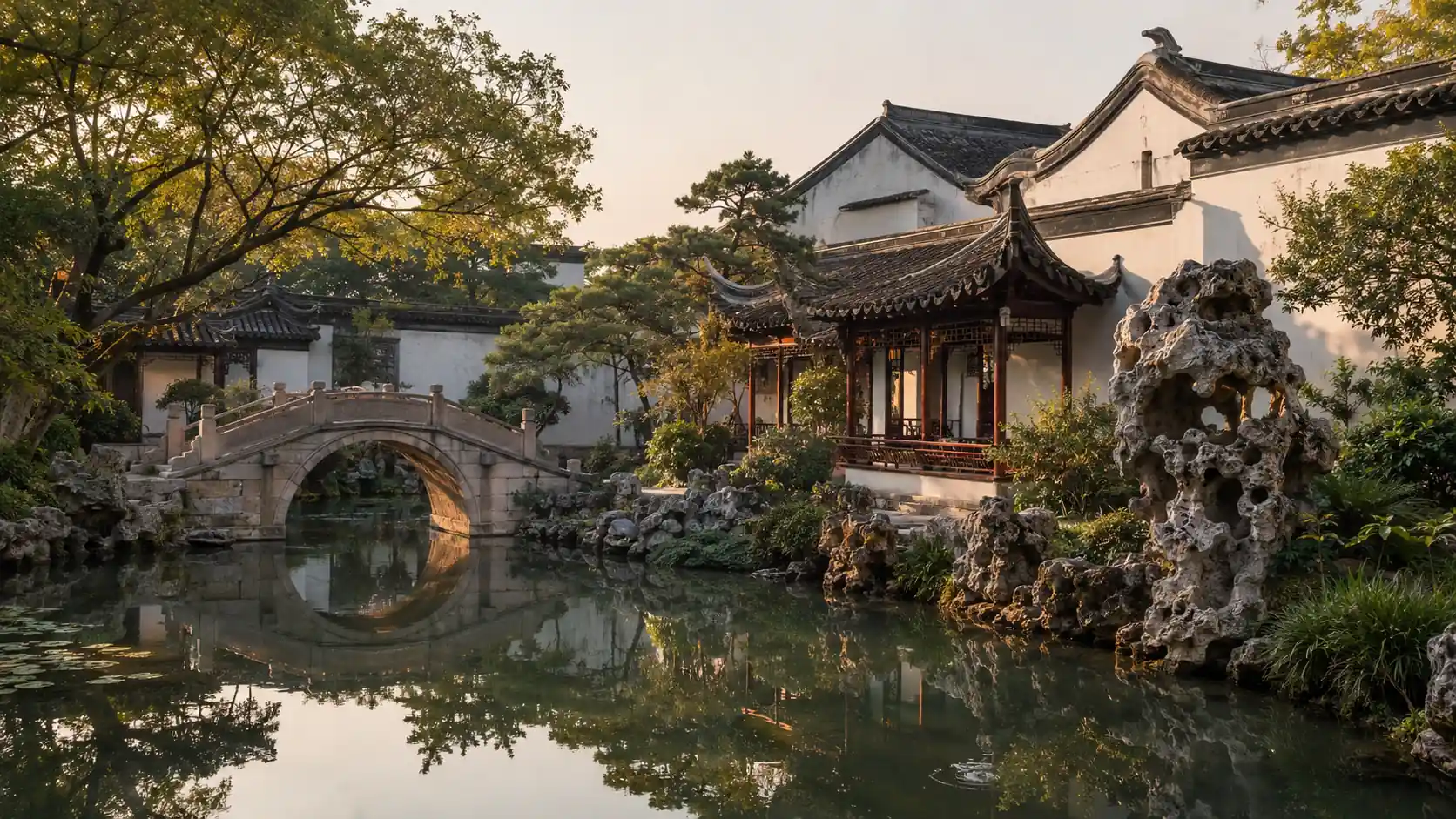
Classical gardens, canals, and refined Jiangnan culture.
Open city guide ->