01
Pick the right route
Separate ordinary-passport visa-free entry, 240-hour transit, 24-hour transit, and trips that still need a visa.
Entry rules guide
Visa-free does not mean rule-free. Match your passport, purpose, route, entry port, stay area, and documents before you pay for flights or hotels.

Page map
01
Separate ordinary-passport visa-free entry, 240-hour transit, 24-hour transit, and trips that still need a visa.
02
Your passport, purpose, entry port, exit plan, stay area, and documents must all fit the same rule.
03
Immigration and airline staff need to see the route: passport, tickets, hotel address, onward travel, and destination permission.
04
Do not treat a round trip as transit, do not work or study visa-free, and do not assume every airport handles every waiver.
Decision first
Usually up to 30 days
Use when: Tourism, business meetings, family/friend visits, exchange, and transit when your passport is on the current list.
Watch for: The country list and expiry dates change. Check the exact passport type, not only nationality.
Up to 10 days
Use when: Eligible passports travelling from one country or region through mainland China to a different country or region.
Watch for: You need a confirmed onward ticket, an approved port, and travel only inside the allowed areas.
Same-day or overnight connection
Use when: Short international connections where you have a ticket onward to a third country or region within 24 hours.
Watch for: Some airports and nationalities have local restrictions. Do not plan sightseeing unless entry is clearly permitted.
Before travel
Use when: Work, study, journalism, long stays, uncertain routes, or any trip that does not fit a visa-free rule cleanly.
Watch for: A paid flight does not make an ineligible route eligible. Fix the route or apply before departure.
Route test
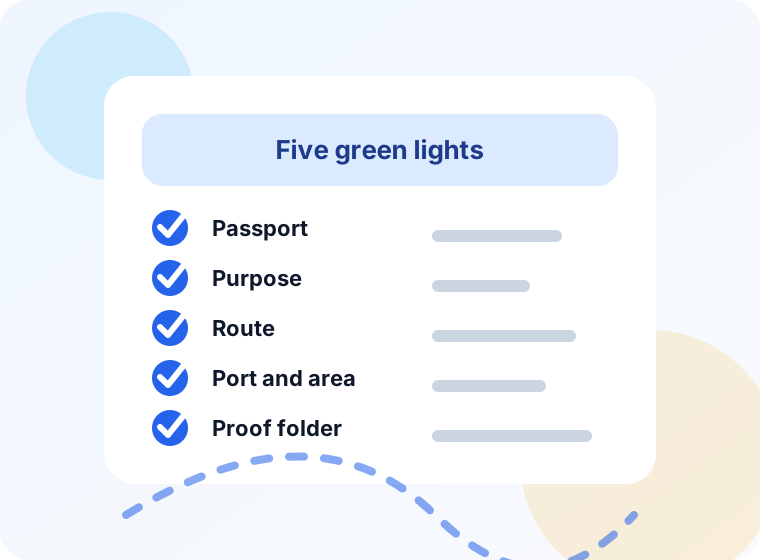
Check ordinary vs diplomatic/service/special passport, expiry, damaged pages, old refusal stamps, and whether your exact passport is covered.
Tourism and normal meetings may fit a waiver; work, study, paid performance, journalism, or long-term residence usually need a visa.
For transit, your first stop after mainland China must be a different country or region from where you came from. Hong Kong, Macao, and Taiwan count separately for routing.
The port you enter through and the places you visit must be allowed under the specific waiver you are using.
Keep onward tickets, hotel details, destination visa if required, invitation/contact details, and a simple written route summary.
Before booking
Treat visa-free entry as an itinerary rule, not a nationality label. The cleanest plan is one you can explain at airline check-in and immigration in one minute.
Route examples
Use ordinary-passport visa-free entry if the passport and purpose are covered.
This is not a transit test. It is a normal China visit under the passport waiver.
May fit 240-hour transit if passport, port, onward ticket, and stay area all qualify.
United States → China → United States usually fails the transit logic unless another country or region is inserted.
Use the 30-day passport waiver if the passport qualifies; do not call it transit.
Transit requires a different next country or region after mainland China.
Can be valid under a passport waiver or transit rule, depending on passport and exact plan.
Hong Kong is treated separately for transit routing, but you still need the China-side entry rule to fit.
Documents

Original passport, enough validity, and any old visa pages that may be reviewed.
Confirmed flight, train, ferry, or cruise booking that proves the next country or region when using transit.
Hotel name, Chinese address, phone number, and first-night booking confirmation.
Invitation, meeting details, family contact, event registration, or itinerary when relevant.
Visa, eTA, residence card, or other proof for the country or region after China if required.
Screenshots and PDFs available without mobile data, plus the same details in a cloud backup.
Common mistakes
A same-country round trip is not 240-hour transit. Change the route or use another entry rule.
Some waivers apply to ordinary passports only. Diplomatic, service, refugee, or emergency documents can follow different rules.
Business meetings are not the same as employment. Paid work, teaching, filming, study, and journalism need closer visa review.
Transit permission can limit where you may travel. Do not add a domestic side trip outside the approved area.
Airlines check documents before boarding. If your route is hard to explain, prepare the rule and documents before check-in.
Hotels usually register foreign guests. Private stays can require local registration, so know what your host must do.

Border routine
Make the route easy to inspect: passport, onward ticket, hotel address, and destination permission in one folder.
State the rule simply: ordinary passport visa-free, 240-hour transit, or 24-hour transit. Show the matching documents.
Stay inside the permitted purpose, dates, and area. Keep passport and entry stamp/temporary permit details accessible.
If you change flights, cities, hotels, or stay length, re-check the rule before the change becomes irreversible.
Keep planning
Pick one connected topic and finish the practical setup before adding more places to the itinerary.
Browse all guides ->Important disclaimer
This guide is for general trip-planning information, not legal, medical, financial, or immigration advice. Rules, availability, and provider policies can change—verify time-sensitive details with the relevant official source before you travel or book.
Content confidence
Visa-Free Policy Guide has been reviewed for practical visitor use, internal links, route relevance, and clear action steps.
Rules for entry, payment products, bookings, transport, and attractions can change. Verify official or provider sources before relying on time-sensitive details.
Check official sources before booking time-sensitive items.
Plan with cities
Use these city guides to turn the topic into a route, hotel choice, transfer day, or first-stop decision.

History, culture, and iconic landmarks.
Open city guide ->
Modern, vibrant, and full of surprises.
Open city guide ->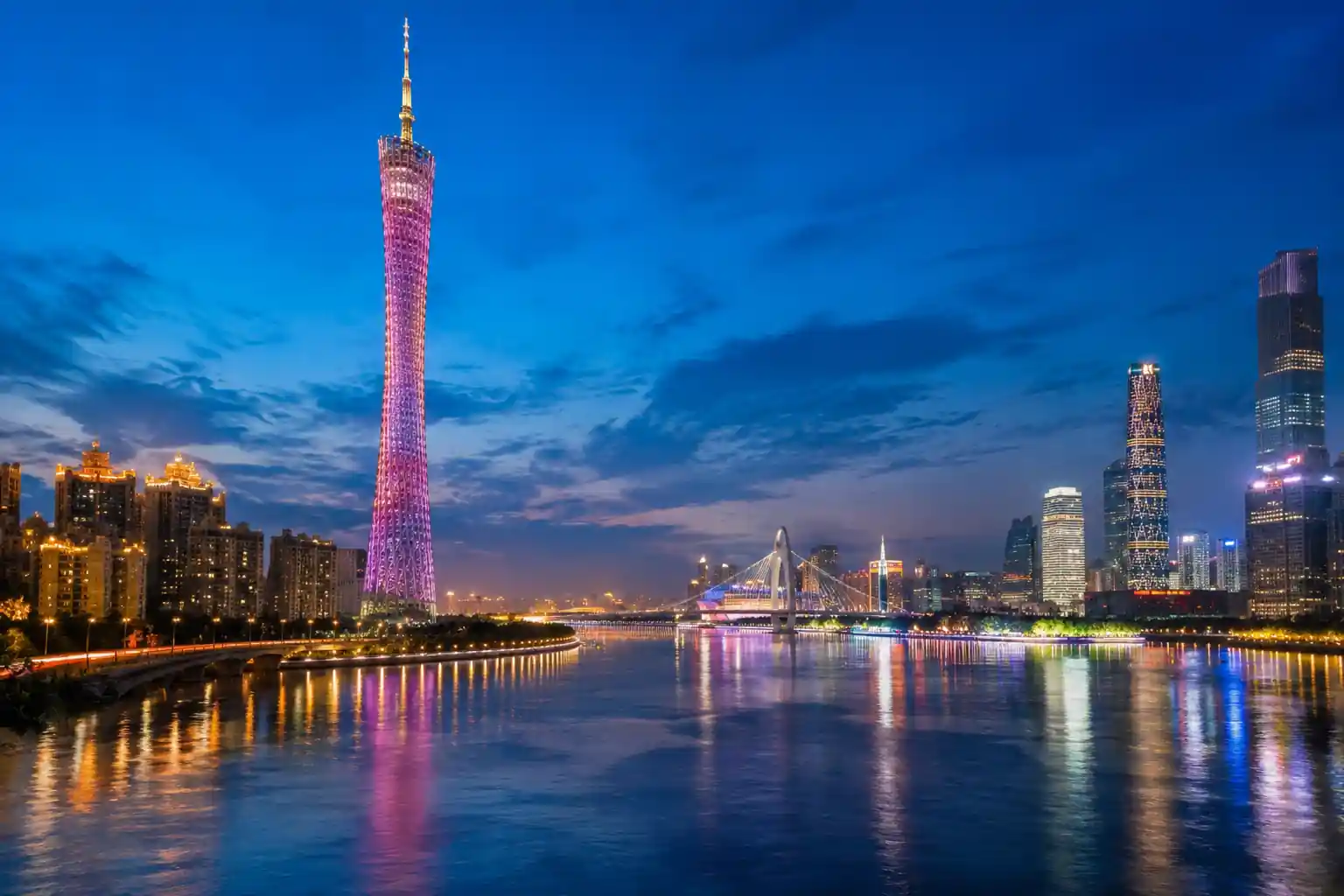
Cantonese food, riverfront lights, and trade-city energy.
Open city guide ->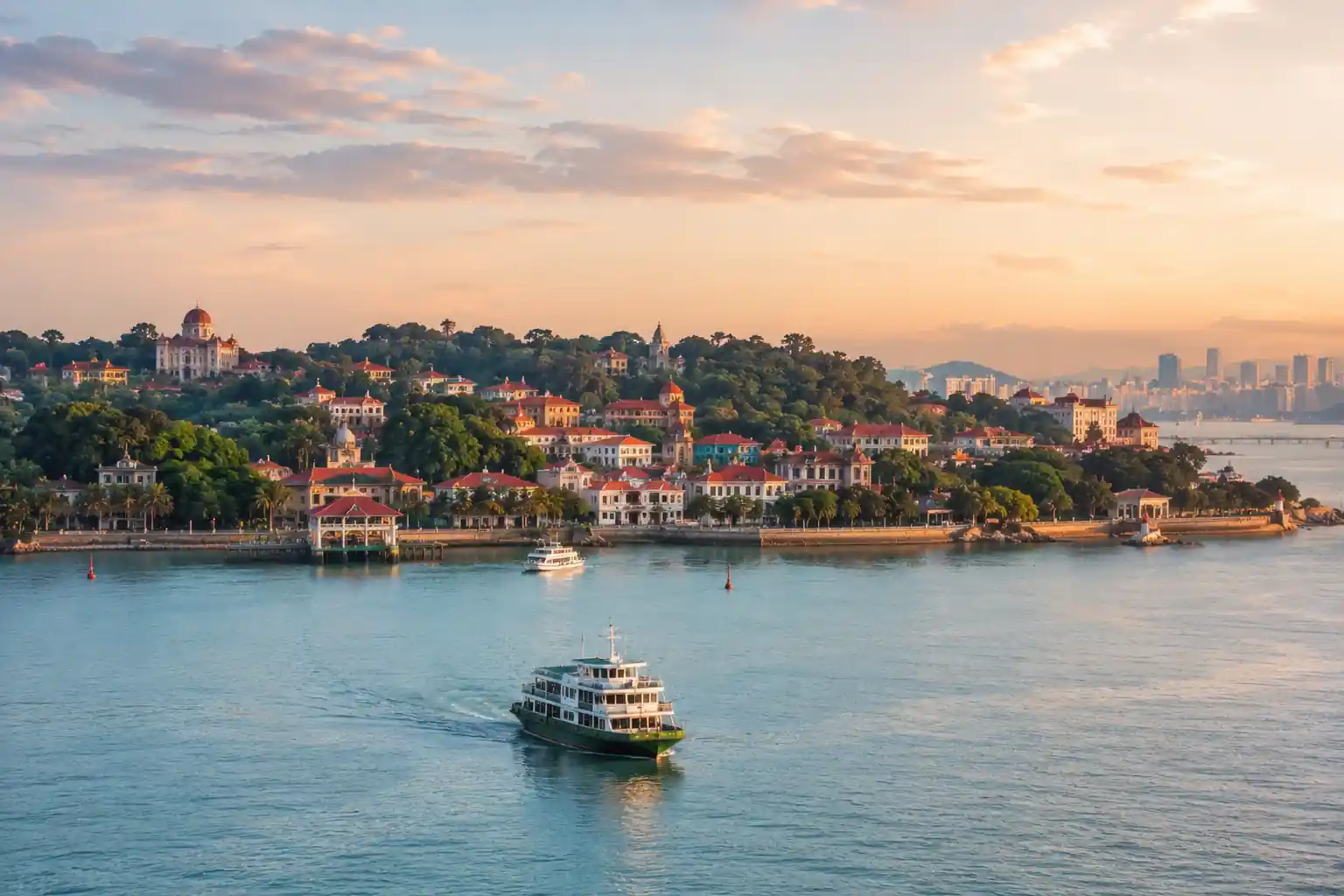
Island city charm, seaside walks, and Fujian culture.
Open city guide ->