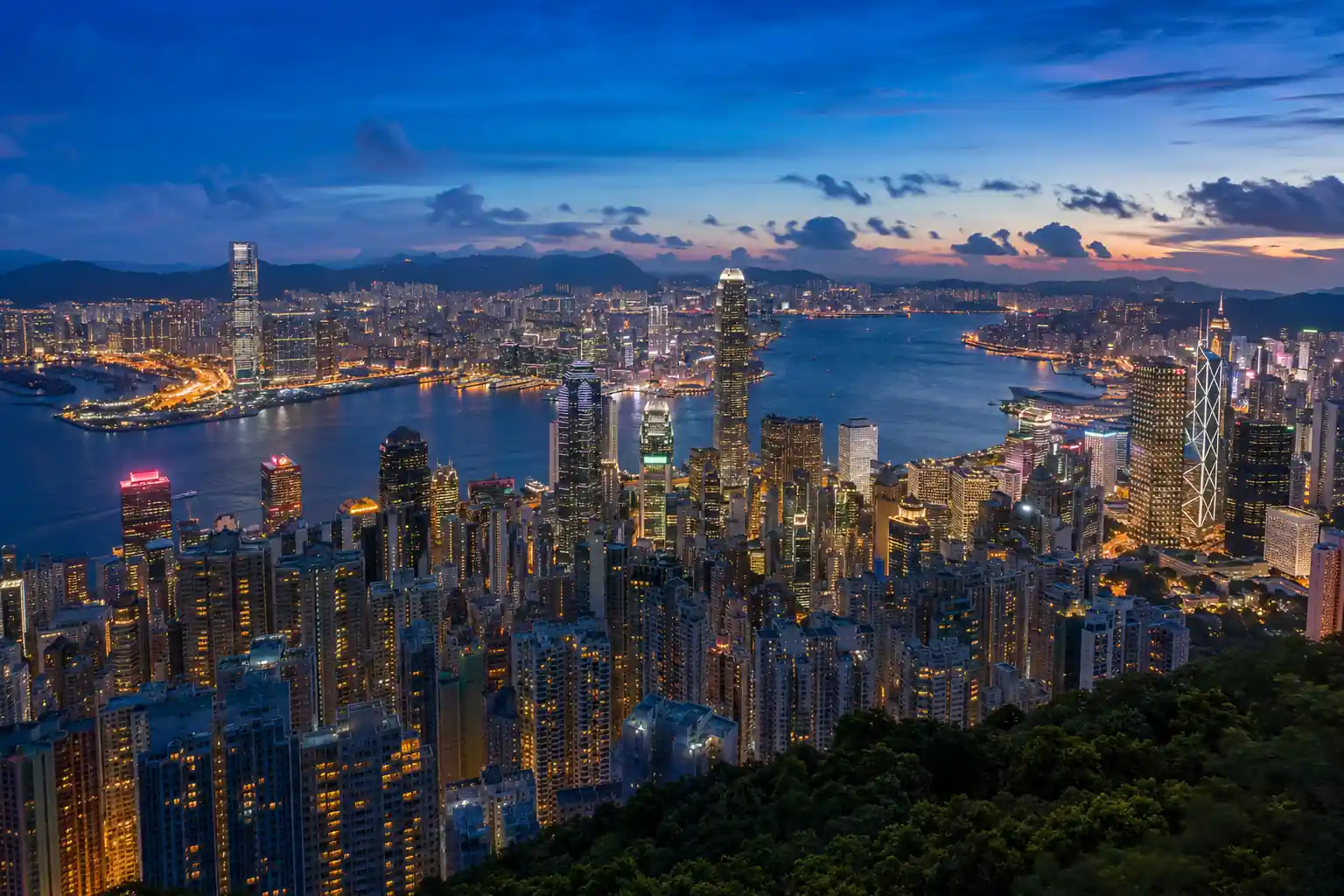
Hong Kong is a high-energy gateway with iconic harbor views, efficient transport, hiking routes, diverse food, and easy connections to Shenzhen or Macau.
Suggested stay
3-5 days
Travel style
Gateway
Best for
Harbor views, food, city walks, hiking
Content confidence
Reviewed for practical travel use
Hong Kong city overview, suggested stay, highlights, transport notes, nearby trips, and connected planning guides have been reviewed for practical trip planning.
Use this city page as a planning framework. Confirm current opening hours, ticket windows, transport schedules, and local rules before booking.
Check official sources before booking time-sensitive items.
Planning overview
How to Plan Hong Kong
Hong Kong works best if you treat it as both dense city and outdoor territory: harbour ferries, tower districts, old neighborhoods, island excursions, and serious food stops all fit into one trip. It suits first-time East Asia visitors who want efficient transport and strong English signage, but it also rewards repeat travelers who leave time for Lantau, the outlying islands, or longer walks on Hong Kong Island. Plan by area, and keep your skyline views flexible for weather.
Victoria PeakStar FerryMong Kok
Best suited for
Harbour views and skylines
Food-led city breaks
Urban walks with transit ease
City-plus-hiking trips
Best time to visit
October to December is the easiest first-visit window, with drier weather, better visibility, and more comfortable walking conditions. Spring is workable but often humid and hazy, while summer is hot, storm-prone, and tiring for long urban days; winter is usually mild and still good for museums, food, and ferries.
Stay around Central, Sheung Wan, Wan Chai, Tsim Sha Tsui, or Jordan on a first visit; these areas keep airport, ferry, and MTR connections straightforward.
Get an Octopus card early because it works across the MTR, trams, buses, and ferries and saves time on small daily transfers.
Keep one clear-weather afternoon and evening open for Victoria Peak or the harbourfront, because haze and rain change the payoff a lot.
Put Lantau, beaches, or longer hikes on a separate day instead of forcing them into a Central-Kowloon sightseeing block.
Start with the harbour skyline, because it explains how ferries, waterfront walks, and hill viewpoints fit the city together.
Suggested routes
Itineraries for Hong Kong
This street view matters because Hong Kong is strongest when you mix the postcard harbour with dense everyday districts like Mong Kok.
Wikimedia Commons
1 day
Harbour and island essentials
Best for a stopover or a first short visit. Keep the day compact and save your best energy for the skyline in late afternoon and evening.
1Central and Sheung Wan in the morning
2Star Ferry to Tsim Sha Tsui after lunch
3Avenue of Stars and waterfront before sunset
4Victoria Peak or a return harbour crossing at night
2 days
First-timer city balance
Enough time to separate Hong Kong Island, Kowloon, and one slower half-day without turning the trip into a checklist.
1Day 1: Central, Sheung Wan, Peak Tram or Peak walk, Star Ferry, Tsim Sha Tsui waterfront
2Day 2: Mong Kok, Yau Ma Tei or Jordan, then an evening tram or harbourfront ride
3Add a museum, horse racing, or longer food crawl depending on your interests
3-4 days
City, islands, and breathing room
Use the extra time to add Lantau or an outlying island, because Hong Kong feels more complete once you leave the central harbour corridor.
1Day 1: Central, Sheung Wan, Mid-Levels, Victoria Peak
2Day 2: Tsim Sha Tsui waterfront, West Kowloon, Mong Kok, Temple Street area
3Day 3: Lantau Island for Ngong Ping and the Big Buddha, or a beach and cable car day
4Day 4: Outlying island, Shenzhen, or Macau depending on weather and border plans
Neighborhoods
Best Areas to Explore
Central, Sheung Wan, and Mid-Levels
This is the most useful first base on Hong Kong Island: finance towers, colonial-era fragments, tram routes, ferries, older temple streets, and the Mid-Levels escalator system all overlap here. It is the right zone if you want Hong Kong to feel efficient by day and atmospheric after dark.
Star Ferry piersMid-Levels EscalatorMan Mo Temple
Tsim Sha Tsui and West Kowloon
Kowloon's south edge gives you the most classic harbour-facing walks, easy museum access, ferry crossings, and practical hotel density. It works especially well for short stays because the waterfront, shopping streets, and West Kowloon connections stay close together.
Avenue of StarsStar FerryWest Kowloon high-speed rail area
Mong Kok, Yau Ma Tei, and Jordan
This is where Hong Kong feels denser, louder, and more street-led: markets, noodle shops, tea cafes, old apartment blocks, and late-night foot traffic. Use it when you want everyday city energy rather than polished waterfront scenery.
Mong Kok marketsTemple Street areaLocal tea cafes
Lantau Island
Lantau is the easiest way to add scale and breathing room to the trip: airport infrastructure, cable car views, the Big Buddha, beaches, and trail options all sit away from the harbour core. Give it most of a day instead of treating it as a quick add-on.
Ngong Ping 360Tian Tan BuddhaTung Chung and island trails
What to see
Top Sights
Victoria Peak
Victoria Peak is the classic Hong Kong overview, combining harbour, tower, and hillside views in one stop. It matters less as a single observation platform than as a broader ridge area where you can step beyond the busiest lookouts and get a better sense of the city's geography.
Go earlier or near dusk, and if Peak Tram lines are long, consider reaching the top by bus or taxi and walking part of the ridge.
Star Ferry and Tsim Sha Tsui waterfront
The short ferry ride across Victoria Harbour is one of Hong Kong's simplest and best-value experiences. Pair it with the Tsim Sha Tsui promenade and Avenue of Stars for skyline views, harbour movement, and a practical link between island and peninsula.
Use the ferry as part of your route instead of a standalone ride, then stay on the Kowloon waterfront through sunset if visibility is decent.
Tian Tan Buddha and Ngong Ping
Lantau's Big Buddha gives the trip a different rhythm: monastery grounds, mountain air, and a sense of distance from the business districts. It is one of the easiest ways to see that Hong Kong is not only a harbour skyline but also an island territory with major rural and religious sites.
Give this most of a day, and avoid combining it with a full Central-Kowloon sightseeing schedule unless you are comfortable moving fast.
Mong Kok street markets
Mong Kok is useful not because one market is definitive, but because the district compresses street commerce, neon-era imagery, snack stops, and dense residential texture into a walkable grid. It gives many visitors the most immediate feel for everyday Kowloon.
Come in the late afternoon or evening, but treat it as a walking district rather than a shopping mission with one exact target.
Central to Sheung Wan heritage walk
This area mixes older temples, stair streets, old shopfronts, galleries, and the Mid-Levels escalator with some of the city's most useful transport links. It is not a single monument stop, but it is one of the strongest walking blocks if you want history and modern Hong Kong in the same half day.
Do it on foot between MTR stops and tram rides rather than relying on taxis, because the point is to notice the transitions street by street.
Getting around
Transport Notes
Arriving by air
Hong Kong International Airport sits on Chek Lap Kok, west of the main urban core. The Airport Express is the cleanest arrival option for many visitors, reaching Kowloon in about 20 minutes and Hong Kong Station in about 24 minutes, while buses and taxis are more practical if you are staying outside that rail corridor.
Arriving by train
Hong Kong West Kowloon Station is the main rail gateway and connects directly into the mainland high-speed rail network. It is especially useful for Shenzhen and Guangzhou arrivals, with very short Shenzhen runs and frequent Guangzhou services, while East Rail border crossings remain practical if you are moving overland via the Hong Kong-Shenzhen boundary.
Getting around
The MTR is the backbone for most travelers, and Hong Kong is one of the easiest Asian cities to navigate by rail. Use trams on the north shore of Hong Kong Island, ferries for cross-harbour or island hops, and buses when heading to the south side, Lantau, or viewpoints where rail does not reach directly.
Taxis and ride-hailing
Taxis help late at night, with luggage, or when hills and bus transfers become inconvenient. Keep destination names ready and expect tunnel or bridge surcharges on some routes; for many daytime city trips, the MTR is faster and easier.
Food
What to Eat
Start with Cantonese standards
A practical first list is dim sum, roast meats (siu mei), wonton noodles, congee, and dessert soups (tong sui). Hong Kong also does milk tea and pineapple bun breakfasts especially well, so the food day does not need to begin with a formal restaurant.
Use tea cafes and everyday districts
Cha chaan teng tea cafes are part of the city's rhythm, not just a nostalgia stop, and they make it easy to try Hong Kong-style milk tea, toast sets, baked rice dishes, and fast local breakfasts. Jordan, Yau Ma Tei, Mong Kok, Wan Chai, and older Central-Sheung Wan blocks are better for flexible eating than chasing one famous booking.
Balance harbour-core dining with side trips
You can eat very well in the central business districts, but part of Hong Kong's strength is how quickly the food mood changes by area. One good trip might move from tea cafe breakfast to roast meat lunch, then to seafood on an outlying island or a late-night snack stop back in Kowloon.
Go next
Easy Trips from Hong Kong
Macau
The easiest classic side trip, whether by ferry or bridge-linked transport, with Portuguese-era streets, resort districts, and a very different urban texture from Hong Kong.
Shenzhen
The most practical mainland extension, reached either by border-crossing metro routes or very short high-speed rail runs from West Kowloon, and useful for design districts, parks, and food malls.
Guangzhou
A stronger food and Lingnan-culture extension, usually best by high-speed rail, and a good next step if you want to continue deeper into South China.
Keep planning
Useful next pages for Hong Kong
Connect this city page with the practical setup decisions most likely to affect arrival, tickets, transport, and daily movement.